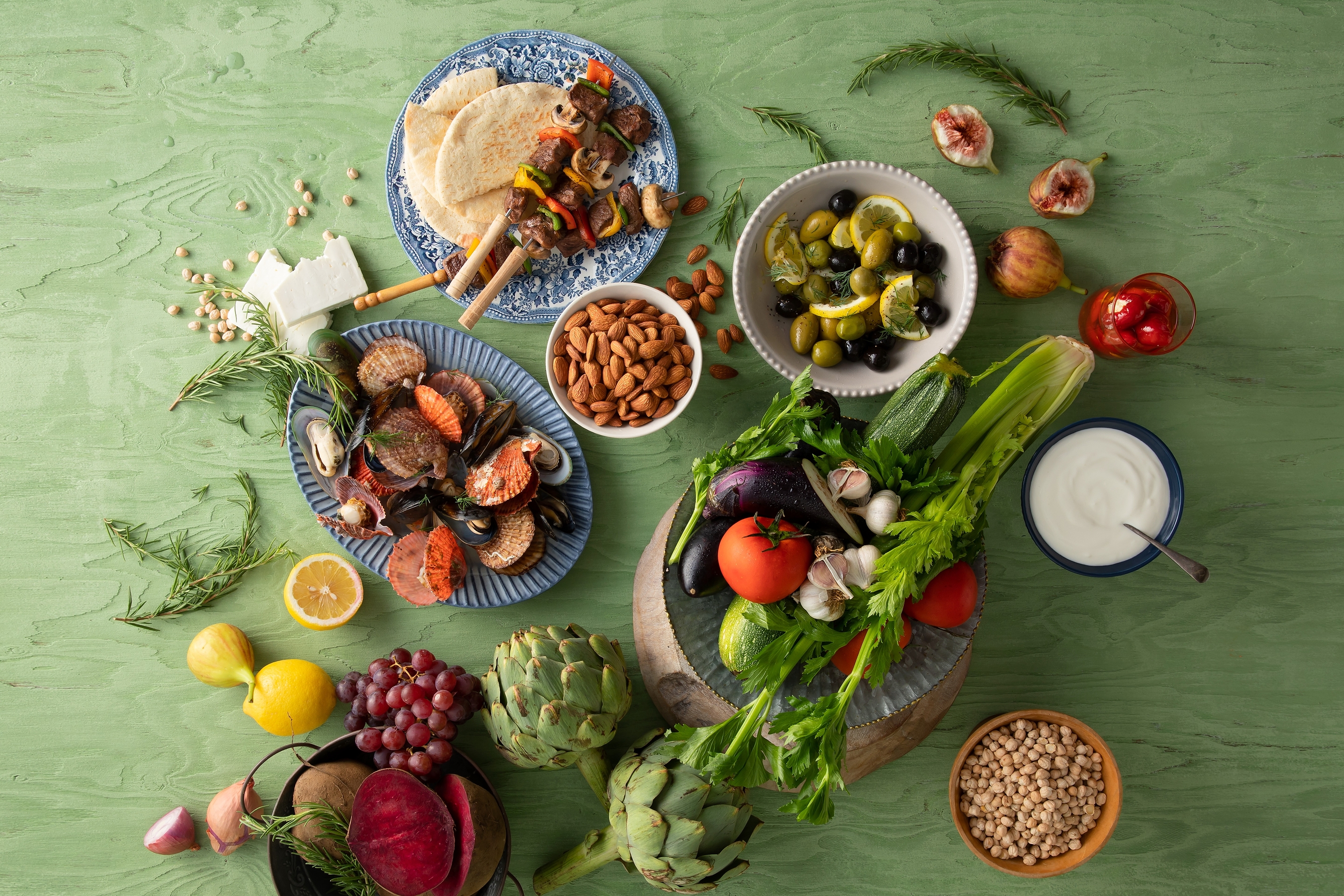
The Almond Board of California is using the first International Day of the Mediterranean Diet — November 16, established by the United Nations General Assembly — to accelerate almond adoption across foodservice menus, releasing operator-oriented guidance on format versatility and nutritional positioning.
California's Central Valley supplies roughly 80% of the global almond crop, giving domestic foodservice operators a reliable, traceable source for a commodity that fits squarely into plant-forward menu development. The ABC's campaign frames whole, sliced, slivered, ground, and butter-format almonds as low-barrier add-ons across dayparts — from breakfast yogurt bowls and grain bowls to roasted vegetable sides, protein entrées, and baked goods.
The Nutritional Case
Registered dietitian-nutritionist Lauren Manaker, MS, RDN, cited almonds' macro profile as a practical differentiator for operators building Mediterranean or plant-forward claims: one ounce delivers 6 grams of plant protein and 13 grams of unsaturated fat, with only 1 gram of saturated fat. A 2025 expert panel published in Current Developments in Nutrition concluded that daily almond consumption can help reduce LDL cholesterol without promoting weight gain, and that consuming at least 50 grams (approximately 1.8 ounces) per day may support modest weight loss in some individuals — findings that give menu developers a credible health halo to merchandise at the point of sale.
The ABC also points to Spain's landmark PREDIMED clinical trial involving 7,447 adults at high cardiovascular risk. Participants following a Mediterranean diet supplemented with extra-virgin olive oil or mixed nuts — including almonds — experienced lower incidence of heart attack, stroke, or cardiovascular death versus a reduced-fat diet control group. The ABC notes the trial population was older Spanish adults at elevated cardiovascular risk, limiting direct extrapolation to the broader U.S. consumer base.
Operator Applications
For foodservice operators, the practical upshot is ingredient flexibility without supply-chain complexity. Almonds index well across fast-casual grain bowls, full-service Mediterranean entrées, and retail grab-and-go formats — a category that has seen sustained growth as off-premise and retail foodservice channels expand. Sliced or slivered almonds function as a finishing texture on roasted vegetable sides, fish, and poultry. Almond butter integrates into savory sauces, dressings, and spreads such as hummus and baba ganoush. Almond flour and ground almonds offer gluten-alternative baking applications for operators navigating dietary accommodation demand.
The Mediterranean diet's emphasis on vegetables, fruits, whole grains, legumes, nuts, seeds, and olive oil — with moderate fish, dairy, and poultry — aligns closely with the plant-forward menu strategies gaining traction across fast-casual and full-service segments. Operators already sourcing olive oil and legumes for Mediterranean-style builds face minimal incremental friction in adding almond formats to existing SKU lists.
The timing of the ABC's push is deliberate. Mediterranean cuisine remains one of the fastest-growing flavor profiles in U.S. foodservice menu development, and a UN-designated awareness day creates a promotional peg for limited-time offerings and menu innovation activations. With California's Mediterranean climate producing the vast majority of the world's almonds alongside significant olive oil output, the regional sourcing story also supports provenance-driven marketing increasingly valued by chain and independent operators alike.
Written by Michael Politz, Author of Guide to Restaurant Success: The Proven Process for Starting Any Restaurant Business From Scratch to Success (ISBN: 978-1-119-66896-1), Founder of Food & Beverage Magazine, the leading online magazine and resource in the industry. Designer of the Bluetooth logo and recognized in Entrepreneur Magazine's "Top 40 Under 40" for founding American Wholesale Floral, Politz is also the Co-founder of the Proof Awards and the CPG Awards and a partner in numerous consumer brands across the food and beverage sector.