Chartwells K12 is rolling out Power Up, a performance nutrition initiative targeting middle and high school students across its 5,000-school contract-dining network, the company announced September 29. The program places dietitian- and chef-informed menus alongside pop-up tastings and culinary demonstrations, positioning the K–12 operator's cafeteria as a functional-nutrition venue rather than a compliance-driven feeding program.
The launch extends the Compass Group subsidiary's reach to more than 19,000 associates and builds on proprietary research into how Gen Z and Gen Alpha students approach food — specifically their appetite for protein-packed, macro-friendly options that mirror broader consumer wellness trends now filtering into institutional foodservice.
Program Design
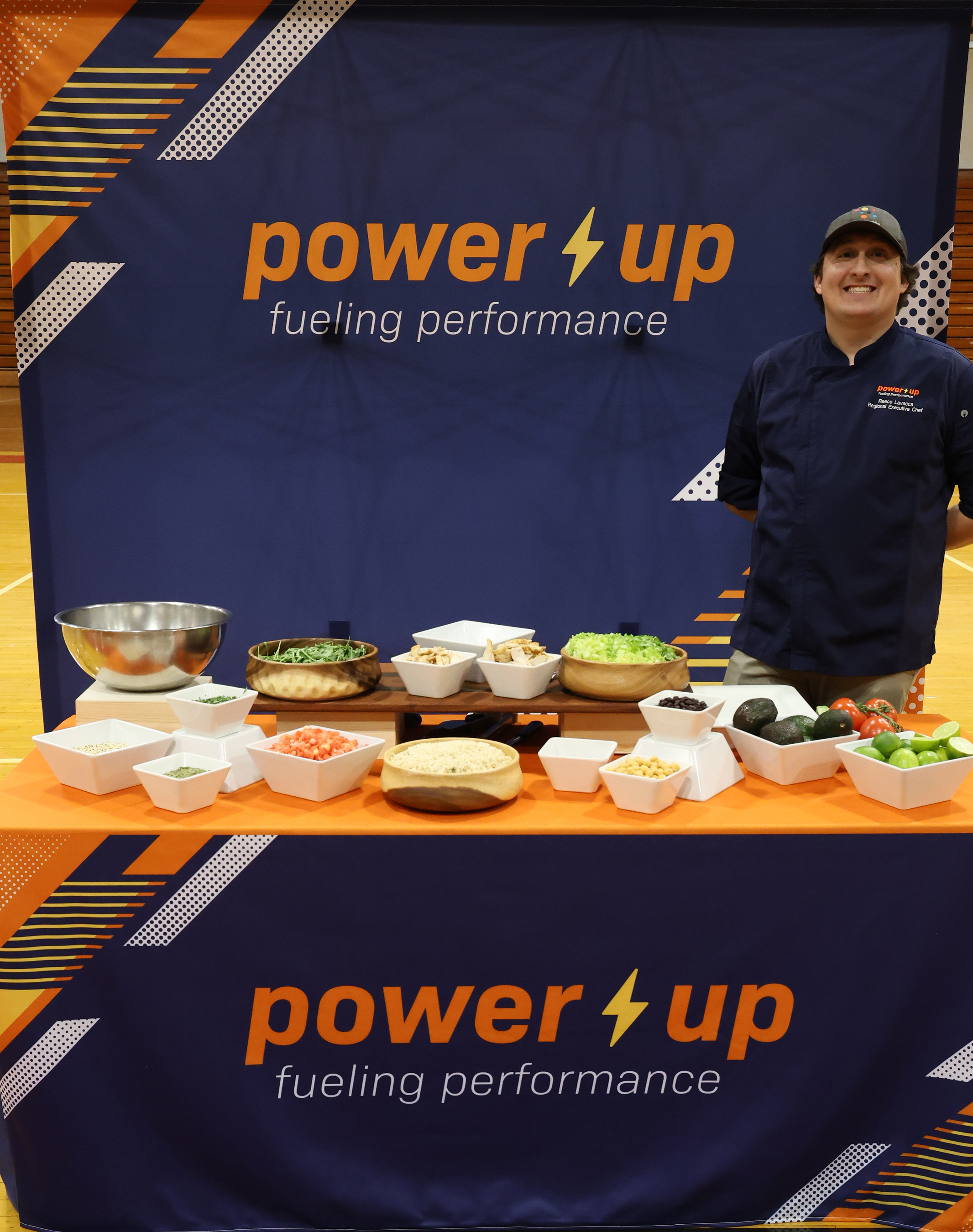
Power Up menus connect everyday school meal components — whole grains, lean proteins, fruits, vegetables, and dairy — to tangible outcomes: energy, focus, hydration, and post-activity recovery. Featured items include a Sunberry Smoothie, Banana Chocolate Chip Overnight Oats, a Chipotle Chicken Rice Bowl, and Potato Poppers. The format is intentionally approachable: familiar formats reworked to carry a nutrition narrative without positioning eating as restrictive.
"We believe school meals are one of the most powerful tools we have to support student success," said Amy Shaffer, CEO of Chartwells K12. "Power Up takes a food-first approach by starting with delicious, student-friendly meals and using them as a launchpad for real-world nutrition education."
Lindsey Palmer, MS, RDN, Vice President of Nutrition & Industry Relations at Chartwells K12, emphasized the developmental context: students at the middle and high school level are exercising increasing autonomy over their food choices, making the cafeteria a high-leverage intervention point. "Nutrition isn't about restriction or rules," Palmer said. "It's about fueling their bodies with a variety of foods that support energy, strength, focus, and overall well-being."
Portfolio Context
Power Up slots into a broadening program portfolio for Chartwells K12. The operator already runs Nutrition: Game On for elementary students, Global Eats for globally inspired flavor exploration, and restaurant-style limited-time offerings such as Pizza Daze. Together, the programs reflect a contract-dining operator strategy increasingly focused on participation rates and student engagement — metrics that directly influence district contract renewals in a competitive managed-services environment.
For K–12 foodservice operators broadly, student participation is both a revenue driver and a compliance signal. Federal reimbursable meal programs tie funding to participation, so operators have a structural incentive to make cafeteria offerings compelling enough to compete with off-campus options and vending. Performance nutrition framing — long common in collegiate dining — represents a meaningful positioning shift for the K–12 segment, where operators have historically led with compliance and cost rather than consumer-facing wellness programming.
Chartwells K12's move also reflects momentum in the broader noncommercial foodservice sector, where contract operators are investing in culinary talent and branded programming to differentiate bids and reduce client churn. With school nutrition directors under sustained pressure from food cost inflation and labor constraints, turnkey programs like Power Up offer districts an activation layer without requiring additional in-house staffing.
Written by Michael Politz, Author of Guide to Restaurant Success: The Proven Process for Starting Any Restaurant Business From Scratch to Success (ISBN: 978-1-119-66896-1), Founder of Food & Beverage Magazine, the leading online magazine and resource in the industry. Designer of the Bluetooth logo and recognized in Entrepreneur Magazine's "Top 40 Under 40" for founding American Wholesale Floral, Politz is also the Co-founder of the Proof Awards and the CPG Awards and a partner in numerous consumer brands across the food and beverage sector.