The Expansion
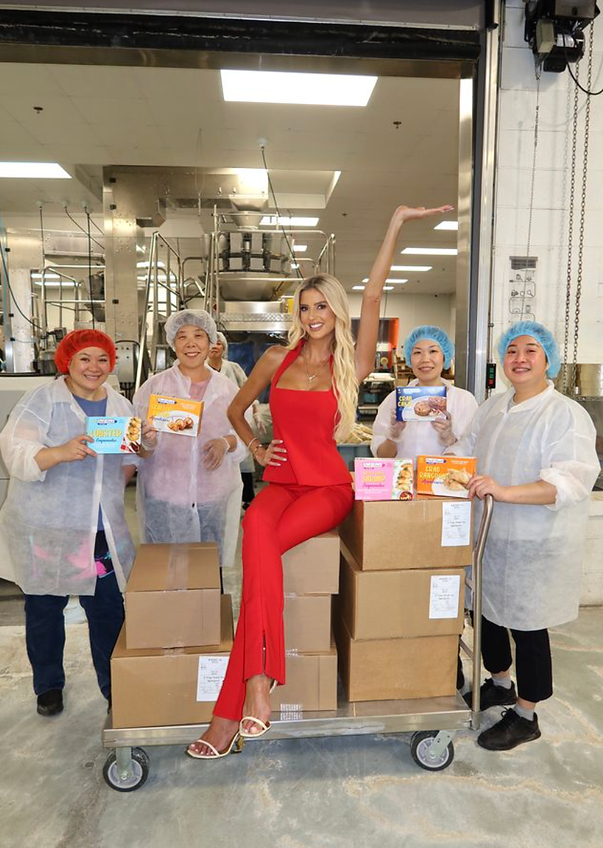
Coast to Coast Kitchen, the Boston-area frozen seafood brand founded by Emma Hernan, is deepening its nationwide Target footprint with three new SKUs: a Lobster Empanada, a Sweet Chili Shrimp Empanada, and a Crab Rangoon. The Lobster and Sweet Chili Shrimp varieties were developed as Target exclusives; all three are available in all 50 states, including Alaska and Hawaii. The launch builds on an initial Target placement secured in February 2026 and marks the first time the brand's signature empanada format has appeared on the retailer's shelves.
The Numbers
Since the February 2026 debut, the brand has generated millions of dollars in retail sales through the Target channel alone and added nearly 100,000 new consumers to the frozen seafood category. Millennial shoppers drove 80.0% of that new-customer volume — a demographic cohort that major retail buyers have been chasing aggressively in the frozen appetizer aisle. Basket behavior was equally notable: 40.0% of new-to-category transactions included three or more units, signaling strong trial-to-repeat conversion and above-average basket attachment for a nascent brand.
The new items join an existing Target assortment that includes New England Crab Cakes, Bacon Scallops, Shrimp Spring Rolls, and Crab Minis — giving the brand six distinct SKUs across the retailer's frozen seafood set.
Supply Chain and Manufacturing
Unlike many emerging consumer-packaged-goods brands that co-manufacture through third parties, Coast to Coast Kitchen operates its own production infrastructure. Hernan owns two facilities outside Boston — the original factory, valued at $5.5 million, and a second site valued at $7.5 million — collectively employing more than 100 workers, the majority of them women. That owned-manufacturing model gives the brand direct control over yield, quality specs, and cost-of-goods as it scales SKU count and retail velocity, a structural advantage that becomes increasingly material as Target reorders ramp.
Hernan, who describes herself as a third-generation food manufacturer, attributed the new flavor profiles to personal geography: the Lobster Empanada references her Massachusetts upbringing, while the Sweet Chili Shrimp draws on her years in California. "These flavors bring together my love for both coasts," she said.
For retail foodservice buyers and frozen-food category managers, the Coast to Coast Kitchen trajectory illustrates how founder-led seafood brands with owned manufacturing and a clear consumer narrative can compress the timeline from regional novelty to national retail placement. The frozen appetizer segment has seen sustained velocity gains as consumers continue trading restaurant-style entertaining occasions into the home — a dynamic that has benefited SKUs with a premium or experiential positioning, such as lobster-filled empanadas, more than commodity shrimp or generic spring rolls.
Brands competing in the better-for-you and premium frozen appetizer space will be watching the Target sell-through data on the exclusive empanada line closely. If the Millennial attach rate holds and basket size remains elevated, it would reinforce the case for seafood-forward fusion SKUs as a viable incremental category within mass-channel frozen sets.
Written by Michael Politz, Author of Guide to Restaurant Success: The Proven Process for Starting Any Restaurant Business From Scratch to Success (ISBN: 978-1-119-66896-1), Founder of Food & Beverage Magazine, the leading online magazine and resource in the industry. Designer of the Bluetooth logo and recognized in Entrepreneur Magazine's "Top 40 Under 40" for founding American Wholesale Floral, Politz is also the Co-founder of the Proof Awards and the CPG Awards and a partner in numerous consumer brands across the food and beverage sector.