The U.S. Entry Play
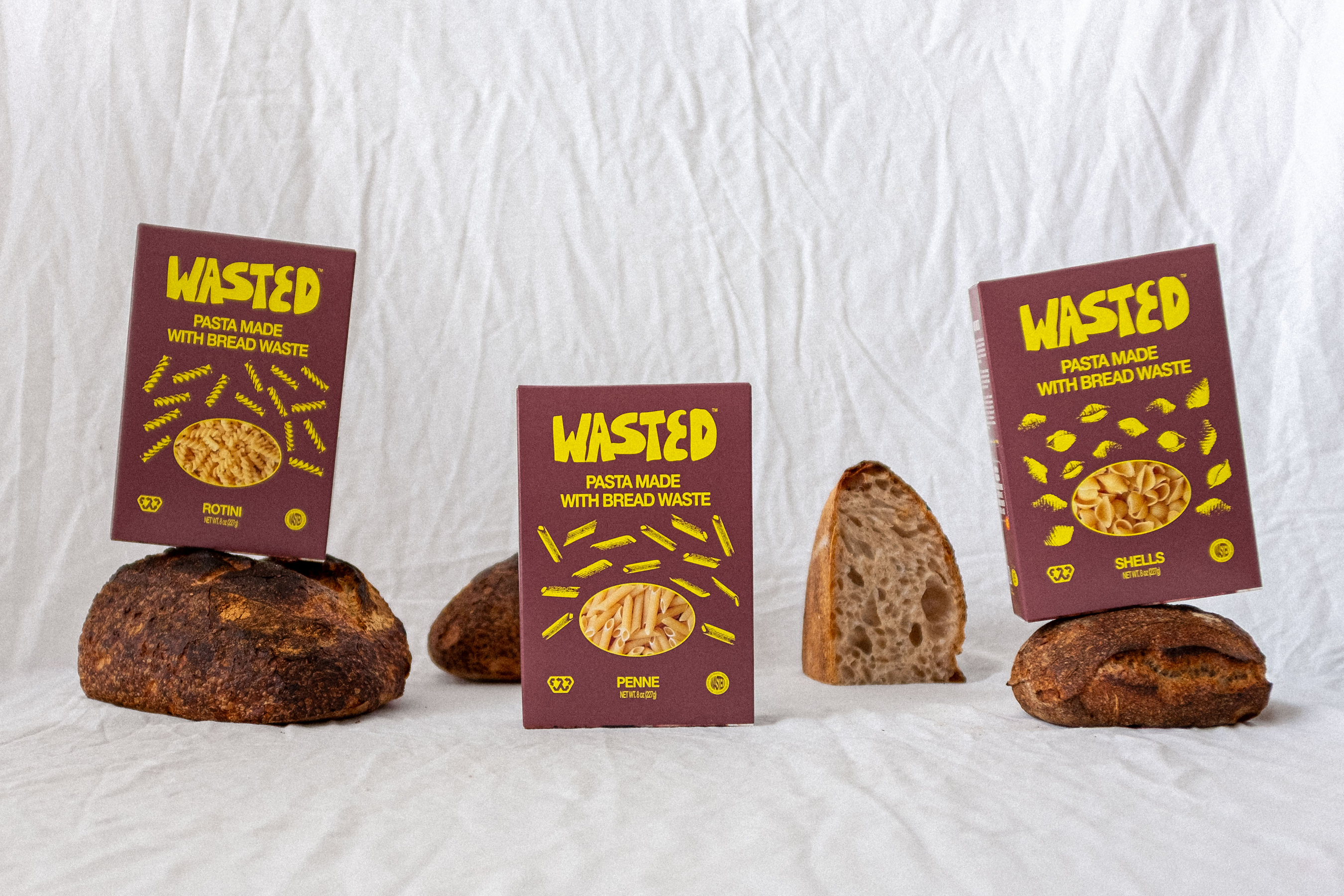
Eat Wasted, the Copenhagen-founded food company that converts surplus artisanal European bread into premium pasta, is moving into U.S. retail distribution this summer — landing first on Misfits Market and scheduled to hit Whole Foods Market shelves before fall. The launch follows a deliberate community-dinner strategy that the brand used to build its European following and is now replicating in New York City, where its first ticketed event sold out in less than a day.
The brand was co-founded by Leif Friedmann and Jorge Aguilar on a straightforward supply-chain premise: artisanal bakeries generate significant bread surplus daily, and that surplus carries embedded production resources — grain, water, energy, labor — that are lost when the loaves are discarded. Eat Wasted intercepts that surplus, ships it to European pasta manufacturers, and runs it through traditional pasta-making methods to yield a finished product positioned in the premium dry-pasta segment. Each serving offsets roughly one bread slice from the waste stream, and the company applies recyclable paper packaging across its SKU lineup.
The Numbers Behind the Brand
The company has hosted more than 10,000 guests at events ranging from Michelin-starred restaurant collaborations to neighborhood soup kitchens across multiple cities. Its global waitlist for future events and product launches now exceeds 3,000 consumers — a demand signal that informed the decision to accelerate the U.S. retail timeline. The brand's give-back mechanic — one donated pasta portion for every ten sold — adds a foodservice-facing social-impact layer that resonates with the on-premise operators and catering accounts the company has courted since its Copenhagen launch.
"After years working in food and hospitality, I saw firsthand how much perfectly good bread gets thrown out every day," said Friedmann. "We've created a pasta that stands on its own for taste, texture, and quality, while also helping to reduce food waste."
The pasta's rough surface texture — a byproduct of the bread-based formulation — is positioned as a functional culinary attribute: the irregular surface promotes sauce adhesion, a detail that matters to both on-premise chefs evaluating center-of-plate applications and specialty retail buyers sourcing differentiated dry goods.
What It Means for Operators
For foodservice buyers, Eat Wasted occupies an emerging niche where supply-chain transparency and waste-reduction credentials function as procurement talking points rather than simply consumer marketing. As sustainability sourcing continues to shape distributor and GPO conversations, rescued-ingredient brands are gaining shelf space at specialty and natural retailers — Whole Foods Market in particular has positioned itself as an early-adopter channel for this product category.
The broader dry-pasta segment has seen renewed operator interest following years of commodity volatility in durum wheat markets. Brands offering differentiated origin stories and premium positioning have proven capable of holding price points in a category that otherwise competes heavily on value. Eat Wasted's European manufacturing base and artisan sourcing narrative give it a comparable positioning hook to imported Italian lines already carried by specialty broadline distributors.
Jorge Aguilar framed the commercial thesis succinctly: "Our goal is to build a brand that changes perceptions by showing that some of the best ingredients are the ones that already exist."
With retail channel expansion underway and the NYC dinner series generating press ahead of shelf placement, Eat Wasted is betting that the community-driven playbook that built its Copenhagen base can accelerate trial and velocity in the competitive U.S. natural-grocery corridor.
Written by Michael Politz, Author of Guide to Restaurant Success: The Proven Process for Starting Any Restaurant Business From Scratch to Success (ISBN: 978-1-119-66896-1), Founder of Food & Beverage Magazine, the leading online magazine and resource in the industry. Designer of the Bluetooth logo and recognized in Entrepreneur Magazine's "Top 40 Under 40" for founding American Wholesale Floral, Politz is also the Co-founder of the Proof Awards and the CPG Awards and a partner in numerous consumer brands across the food and beverage sector.