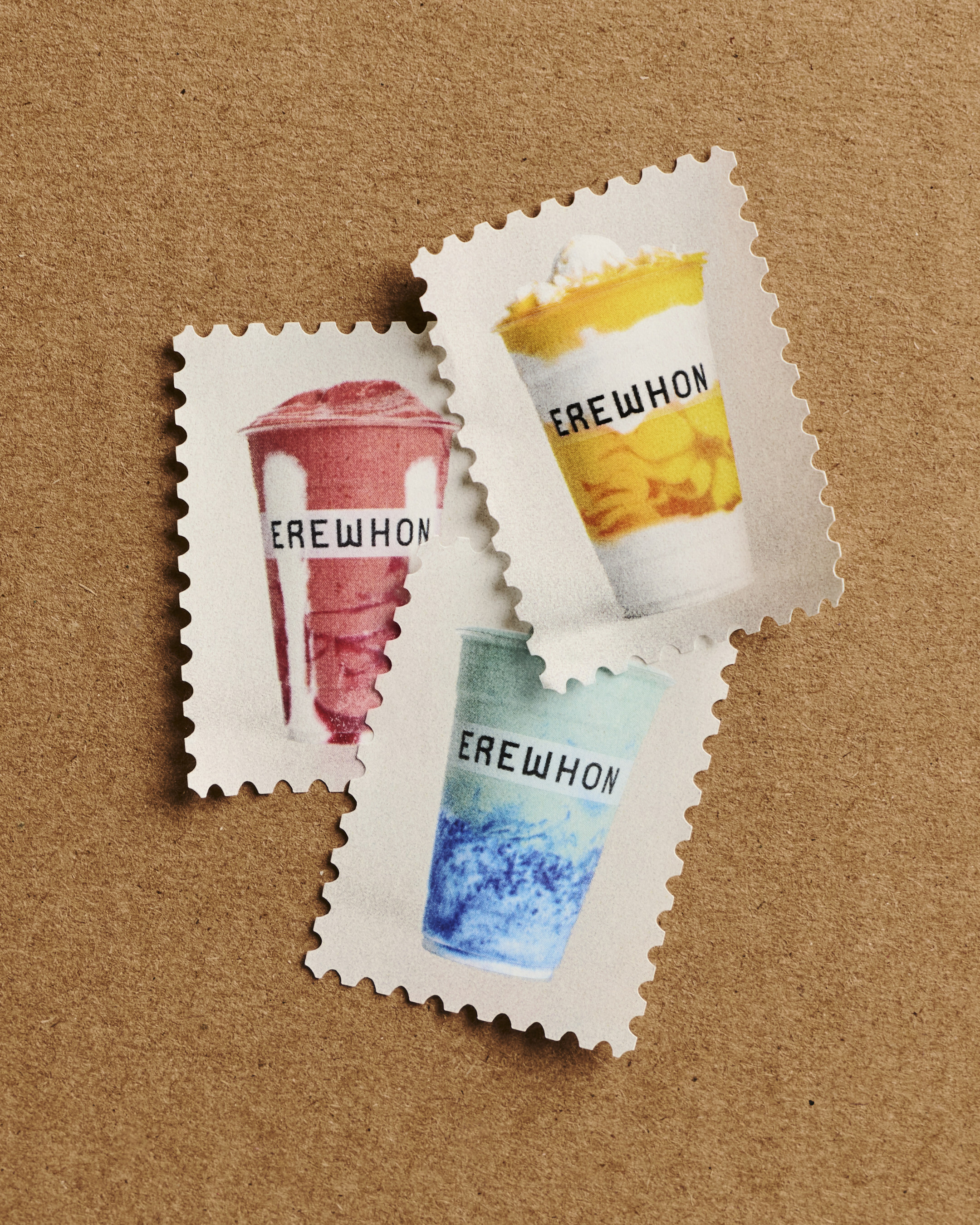
Erewhon Market is extending its direct-to-consumer smoothie business with the Malibu Mango Smoothie Kit, the third entry in its nationally shipped Smoothie Kit collection and the latest translation of a Tonic Bar recipe into an at-home format.
The Los Angeles-based premium grocer has positioned its Smoothie Kit program as a retail and e-commerce extension of its cult-status Tonic Bar, where celebrity-branded and house smoothies routinely command $20-plus price points in store. By moving signature recipes into a kit format available online with nationwide shipping, Erewhon sidesteps the geographic constraint of its Southern California store footprint — currently fewer than 10 locations — and reaches a consumer base that trade observers have long characterized as aspirational and willing to pay a premium for perceived wellness attributes.
At-Home Beverage Context
The launch lands squarely in one of foodservice's more active adjacent channels. The premium blended-beverage segment — anchored by chains like Smoothie King and Tropical Smoothie Cafe and increasingly contested by upmarket independents — has seen sustained consumer interest in functional ingredients and clean-label formulations. Erewhon's kit model occupies a distinct niche: it is neither QSR nor traditional grocery, but rather a direct-to-consumer premium food retail play that monetizes brand equity built in physical locations.
For operators and buyers tracking off-premise channel development, the Smoothie Kit program illustrates how high-margin, brand-driven concepts can extend revenue beyond the four walls without the capital expenditure of additional units. The kit format also insulates margin against the labor costs embedded in made-to-order Tonic Bar transactions — a meaningful consideration as staffing costs remain elevated across foodservice and specialty retail.
What the Expansion Signals
With three SKUs now in the national kit lineup, Erewhon appears to be stress-testing consumer appetite for a scaled e-commerce beverage assortment ahead of what could be a broader product or retail partnership strategy. Premium grocers and specialty chains have increasingly pursued asset-light revenue streams — branded packaged goods, subscription boxes, and co-manufactured products — as a hedge against the unit-economics pressure of brick-and-mortar expansion in high-cost markets like Los Angeles.
The Malibu Mango addition follows what the company describes as the success of its first two Smoothie Kits, though Erewhon has not disclosed sell-through volumes, average order values, or contribution margins for the program. Those figures would be the critical metrics for any operator or potential retail partner evaluating the concept's scalability beyond Erewhon's existing loyal customer base.
Written by Michael Politz, Author of Guide to Restaurant Success: The Proven Process for Starting Any Restaurant Business From Scratch to Success (ISBN: 978-1-119-66896-1), Founder of Food & Beverage Magazine, the leading online magazine and resource in the industry. Designer of the Bluetooth logo and recognized in Entrepreneur Magazine's "Top 40 Under 40" for founding American Wholesale Floral, Politz is also the Co-founder of the Proof Awards and the CPG Awards and a partner in numerous consumer brands across the food and beverage sector.