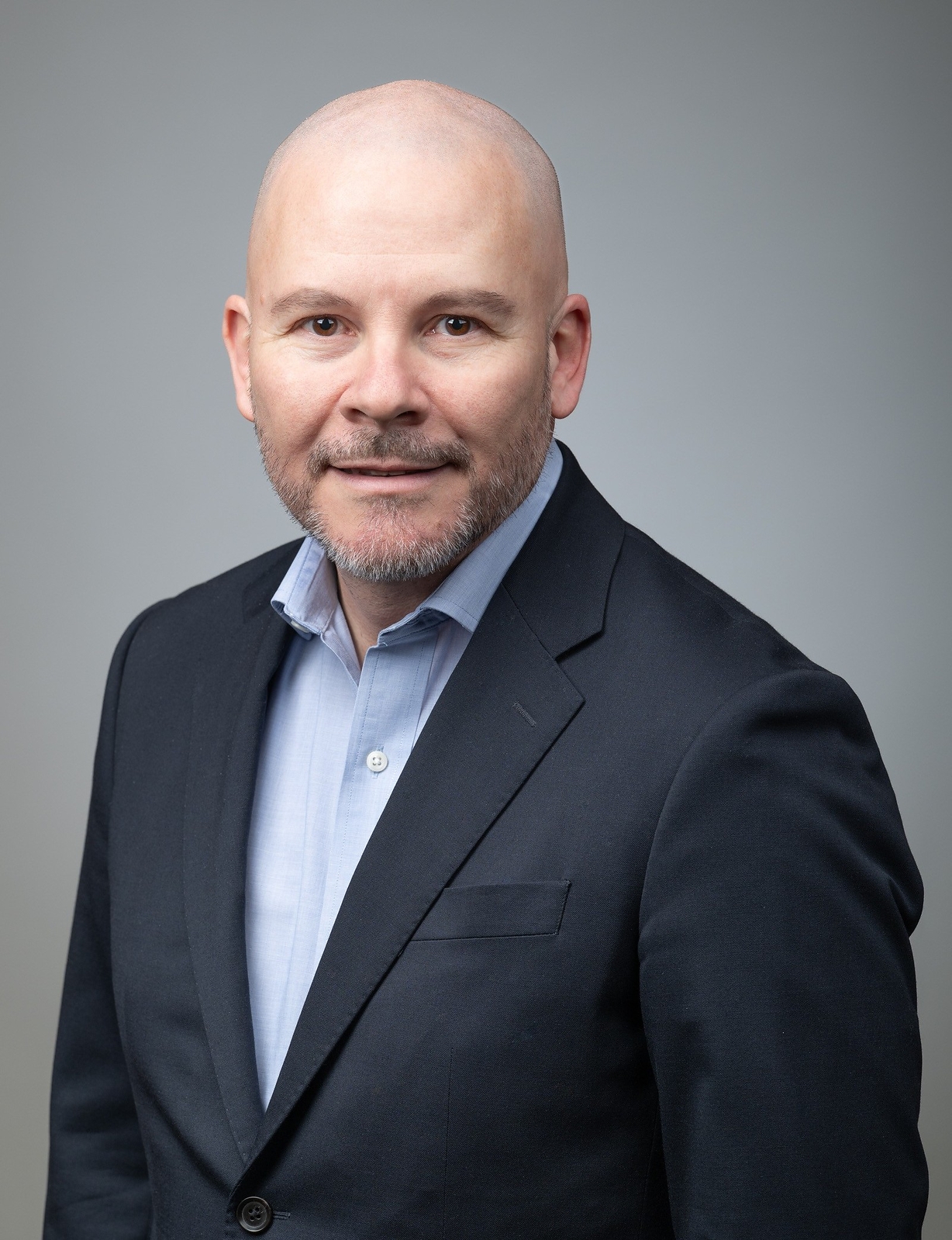
A Black-owned urban farm cooperative ended nearly seven decades of food-desert conditions in Birmingham's Fountain Heights neighborhood on Nov. 7, when Fountain Heights Farms Cooperative (FHFC) opened We All Eat Market inside its new Heart of the Farm market and community kitchen facility.
The opening marks the first grocery retail presence in the historic neighborhood in roughly 70 years — a gap that forced more than 3,000 area residents to leave their community for basic food purchases, draining local economic circulation in the process.
The Supply Chain Story
What distinguishes We All Eat Market from a standard food-access intervention is its vertically integrated model. FHFC has scaled from a single garden to 16 farm plots, and much of what the market sells is grown within blocks of the storefront. That farm-to-shelf proximity gives the cooperative a degree of supply-chain insulation at a moment when grocery price inflation and SNAP program disruptions have compounded food insecurity for low-income households across the South.
FHFC's We All Eat CSA program was the first in Alabama to accept EBT and participate in the Double Bucks program — a SNAP-matching initiative that effectively doubles purchasing power for enrolled customers buying fresh produce. That infrastructure now feeds directly into the market's retail operations, lowering the cost barrier for the neighborhood's most price-sensitive shoppers.
Funding and Community Kitchen
The Birmingham City Council unanimously approved a $150,000 agreement with FHFC to support the Heart of the Farm project, signaling municipal confidence in the cooperative model as a vehicle for neighborhood revitalization. Co-founder M. Dominique Villanueva framed the opening as a question of economic sovereignty: "Our communities don't have to wait for someone else to decide what we eat or where we can buy it. We can grow it, sell it and own it, and this market is proof of that."
Beyond grocery retail, Heart of the Farm includes a commercial community kitchen that offers local food entrepreneurs affordable access to licensed prep space — a resource with direct relevance to the emerging commissary and ghost-kitchen sector that has expanded rapidly across mid-size U.S. markets. For small-batch producers, sauce makers, and cottage-food operators in the Birmingham metro, affordable commercial kitchen access remains a persistent bottleneck to scaling.
FHFC is hiring from within the neighborhood to staff the store, an employment model that keeps payroll dollars local and aligns with community wealth-building objectives the cooperative has pursued since its 2016 founding.
Operator Takeaway
The We All Eat Market model — vertically integrated urban agriculture, EBT/Double Bucks acceptance, community kitchen co-location, and neighborhood hiring — represents a playbook increasingly relevant to foodservice operators and food-retail developers targeting underserved urban corridors. As national chains continue to under-invest in low-margin urban neighborhoods, cooperative and nonprofit operators are demonstrating that viable, community-rooted foodservice infrastructure can be built through a combination of municipal grants, CSA revenue, and mission-aligned programming. Birmingham Mayor Randall L. Woodfin called the market "an investment in Fountain Heights residents, neighborhood revitalization, and the kind of community we want to build."
Written by Michael Politz, Author of Guide to Restaurant Success: The Proven Process for Starting Any Restaurant Business From Scratch to Success (ISBN: 978-1-119-66896-1), Founder of Food & Beverage Magazine, the leading online magazine and resource in the industry. Designer of the Bluetooth logo and recognized in Entrepreneur Magazine's "Top 40 Under 40" for founding American Wholesale Floral, Politz is also the Co-founder of the Proof Awards and the CPG Awards and a partner in numerous consumer brands across the food and beverage sector.