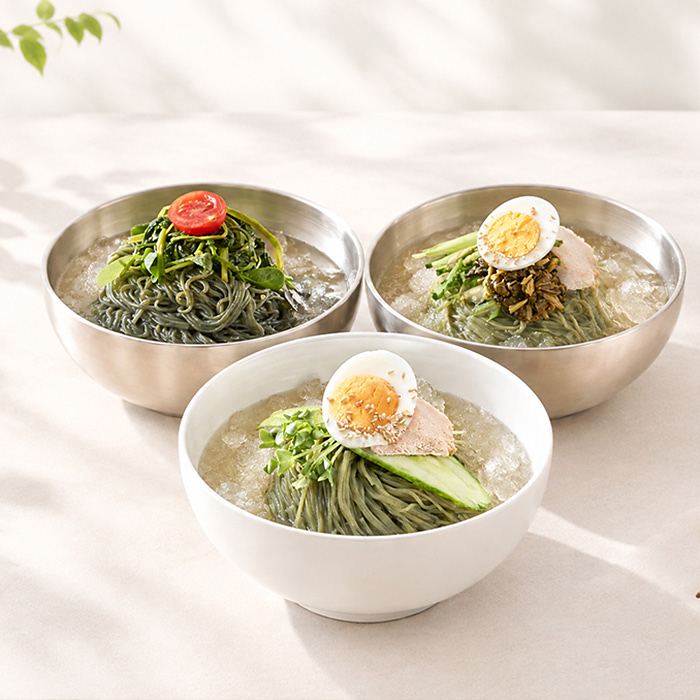
South Korea's HanAll F&B Farming Association Corporation filed a patent application in June for a rice noodle manufacturing method designed to reduce dependence on a single rice variety — a move the Taebaek, Gangwon Province-based producer says could open the category to a wider field of manufacturers and regional grain sources.
The patent follows roughly three years of process R&D that consumed approximately 6 tons of rice flour. The core technical challenge the company addressed was raising the domestic rice content of noodles to 50% or higher while using flour milled from multiple rice varieties — a threshold that proved difficult to clear with conventional methods. HanAll F&B said its research centered on improving noodle separability, the property that keeps finished noodles from clumping, which is a persistent manufacturing constraint in rice-based pasta and noodle formats.
Expanding the Product Platform
With the patent application filed, the company is treating the intellectual property not as an end product but as a technical foundation. Its stated next targets are rice pasta and rice naengmyeon — the chilled, chewy Korean cold-noodle format increasingly visible in Asian-cuisine segments of foodservice and retail. The two formats demand materially different processing parameters than a standard rice noodle, so HanAll F&B is pursuing manufacturing technology and product development in parallel rather than sequencing them.
The strategic logic is straightforward for a company that built its initial manufacturing base on wild mountain greens and regional specialty foods: extending existing food-processing infrastructure into rice noodles broadens the addressable product range without requiring a full greenfield investment. The company applies hygiene management protocols from the raw-ingredient washing stage and has refined aging and formulation processes over time — disciplines it considers transferable to grain-based noodle production.
Market Implications for Operators
For foodservice buyers and distributors, the significance of HanAll F&B's patent lies less in a single company's output and more in what a variety-agnostic manufacturing method could mean for ingredient availability and price stability across the Korean rice noodle category. Rice noodles have gained consistent menu penetration in Asian QSR, fast-casual, and ramen-adjacent concepts globally, and supply constraints tied to specific grain varieties have been a known friction point for volume buyers.
HanAll F&B has signaled it will engage directly with domestic and international buyers to test market response and gather demand signals, framing buyer conversations as a feedback loop for future product and channel decisions. Whether that outreach yields distribution agreements or co-development partnerships with larger foodservice manufacturers remains to be seen, but the company's stated ambition — enabling many manufacturers to produce many types of rice noodle — positions the patent as a potential licensing or technology-transfer asset rather than a purely proprietary SKU advantage.
The broader rice-noodle segment, bolstered by gluten-free positioning and growing consumer familiarity with Korean cuisine formats, gives the company a favorable category tailwind as it moves from R&D into commercial development.
Written by Michael Politz, Author of Guide to Restaurant Success: The Proven Process for Starting Any Restaurant Business From Scratch to Success (ISBN: 978-1-119-66896-1), Founder of Food & Beverage Magazine, the leading online magazine and resource in the industry. Designer of the Bluetooth logo and recognized in Entrepreneur Magazine's "Top 40 Under 40" for founding American Wholesale Floral, Politz is also the Co-founder of the Proof Awards and the CPG Awards and a partner in numerous consumer brands across the food and beverage sector.