What the Concept Does
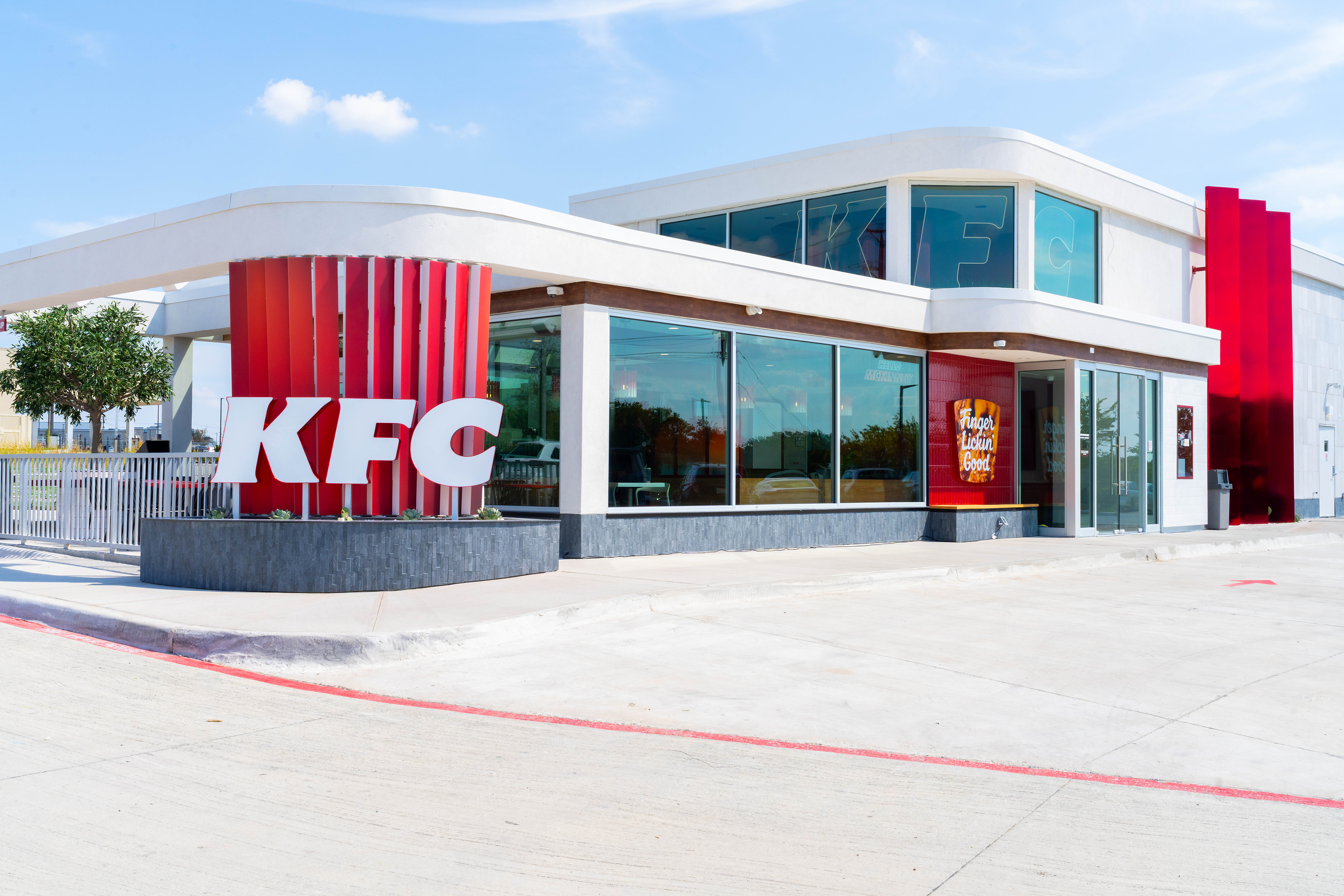
KFC opened its next-generation prototype unit, dubbed Open House, on September 26 in McKinney, Texas — a 3,400-square-foot, 52-seat location at 8751 El Dorado Parkway designed to stress-test a wider daypart spread, elevated beverages, and a hybrid service model against a live consumer base. The chain, a subsidiary of Yum! Brands (NYSE: YUM), operates more than 3,500 U.S. restaurants and positions the McKinney build as a working lab rather than a flagship vanity project.
"Open House brings the Kentucky Fried Comeback to life in one restaurant," said Catherine Tan-Gillespie, President of KFC U.S. "It gives guests a reason to try us, or try us again, while giving us a real restaurant where we can learn what works for guests, our teams and the business, and scale the strongest ideas across the system."
The Menu and Daypart Push
The unit's menu architecture is the sharpest operational departure from the standard KFC format. Open House runs from 6:00 a.m. to midnight, adding breakfast — Breakfast Sandwiches, Original Recipe Tenders, Hashbrown Sticks, Mini Cronuts, and iced lattes — as a net-new daypart for a chain historically absent from the morning occasion. Late-night hours extend revenue potential well past the traditional QSR dinner cutoff. The beverage program is equally aggressive: lemonades, boba refreshers, and proprietary Krunch shakes debut as part of KFC's global beverage strategy, a category that high-margin concepts like Raising Cane's and Chick-fil-A have leaned on heavily to lift check averages. A "Dipped" and "Drizzled" sauce customization platform layers incremental attachment onto existing core SKUs — sandwiches, tenders, wings, and fries — without a full menu rebuild. Sides receive dedicated menu real estate, with Fried Green Beans and Spicy Pickles alongside legacy items like Mashed Potatoes & Gravy and Biscuits.
Format and Service Model
The physical footprint signals a calculated middle ground between fast-casual and QSR. Mid-century modern design — warm timber, oversized windows, flexible breezeway seating — frames a service model that pairs self-order kiosks and digital menu boards with table service, a format more common at Shake Shack or elevated burger concepts than at a legacy fried-chicken chain. For off-premise volume, the unit features dual drive-thru lanes plus a dedicated mobile pick-up lane, preserving throughput efficiency while carving out a distinct digital-order channel. A Celebration Booth (immersive photo-experience) and a Swag Bar round out the dwell-time strategy — minor amenities, but indicative of a brand trying to extend visit length and social shareability in a single unit.
The broader competitive context matters here. QSR chicken chains have been under pressure to differentiate on experience as menu parity tightens across the segment. Popeyes, Chick-fil-A, and Raising Cane's have each invested in drive-thru throughput and digital ordering infrastructure; KFC's Open House adds daypart breadth and a beverage program as its primary differentiators. Whether those bets translate to franchisee adoption across the 3,500-unit domestic system is the operative question — Tan-Gillespie's language around "scaling the strongest ideas" leaves the replication timeline deliberately open.
Written by Michael Politz, Author of Guide to Restaurant Success: The Proven Process for Starting Any Restaurant Business From Scratch to Success (ISBN: 978-1-119-66896-1), Founder of Food & Beverage Magazine, the leading online magazine and resource in the industry. Designer of the Bluetooth logo and recognized in Entrepreneur Magazine's "Top 40 Under 40" for founding American Wholesale Floral, Politz is also the Co-founder of the Proof Awards and the CPG Awards and a partner in numerous consumer brands across the food and beverage sector.