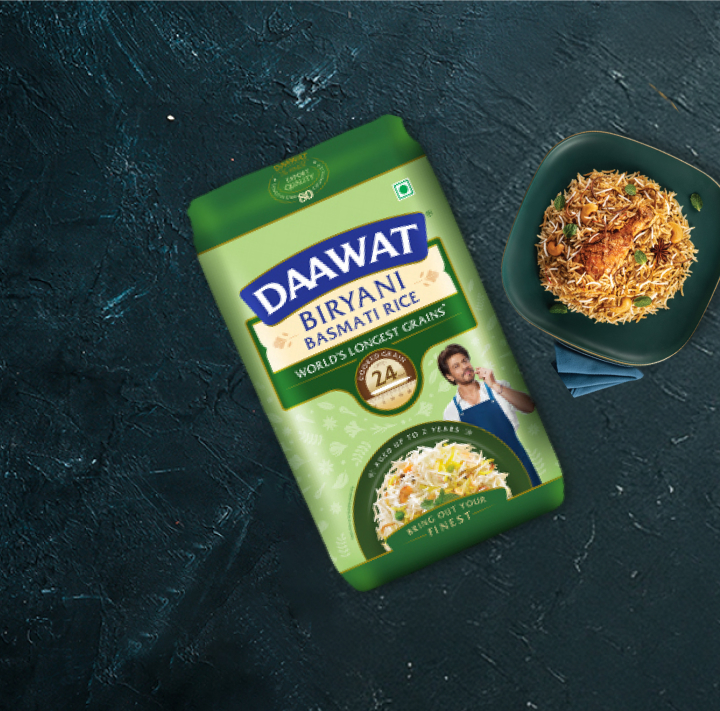
LT Foods Americas, the Cypress, Calif.-based operator behind Royal basmati rice, has completed its acquisition of Maya Kaimal Foods, the No. 1 Indian simmer sauce brand in the U.S. The deal, in which LT Foods Americas purchased 100% of Maya Kaimal Inc. from private equity firm North Castle Partners, co-founders Maya Kaimal and Guy Lawson, and early investors, positions the combined entity as a full-solution Indian meal platform spanning staple grains, ready-to-cook sauces, and dals.
The Strategic Fit
For LT Foods, which has operated in specialty rice for more than 70 years and distributes across 80-plus countries, Maya Kaimal fills a gap in its North American portfolio. Royal holds the No. 1 position in U.S. basmati, but the brand had limited exposure to premium meal-solution categories. Maya Kaimal, founded in 2003 by Saveur alumna and Julia Child Award–winning cookbook author Maya Kaimal, brings a retail footprint spanning Whole Foods Market, Costco, Sprouts, and Amazon, as well as a clean-label and organic positioning that aligns with LT Foods' Ecolife organic staples push. The acquisition extends LT Foods Americas' ready-to-heat range and opens an organic and clean-label segment the basmati-first company had not previously owned.
Abhinav Arora, president of LT Foods Americas, described the deal as a relationship years in the making. "Indian food is one of the most exciting growth opportunities in the American kitchen," Arora said, noting that the company's heritage in basmati made it a natural home for a brand built on authentic Indian flavors. North Castle Partners' Chip Baird, founder and chairman, said the brand had achieved national reach and category leadership under the firm's ownership since 2019, calling LT Foods "the right home for its next chapter."
Channel and Competitive Context
The acquisition arrives as Indian cuisine continues to outpace most other ethnic food segments in U.S. retail velocity. Category managers at major club and specialty chains have noted double-digit shelf-space growth for Indian simmer sauces and grain blends over the past two years, driven by millennial and Gen Z shoppers seeking restaurant-quality meals at home. That dynamic amplifies the foodservice angle: broadline distributors and contract foodservice operators have also expanded Indian meal-kit and sauce procurement, making Maya Kaimal's supply chain relationships an asset beyond the retail shelf.
LT Foods Americas' established relationships with major retailers, club stores, and foodservice customers give Maya Kaimal a faster path into channels where the brand has had limited penetration. The combined company can cross-merchandise Royal basmati with Maya Kaimal sauces — a bundling strategy increasingly used by ingredient brands to lift basket size and reduce customer acquisition costs in both retail and foodservice accounts. For operators sourcing Indian-inspired bowls and global-flavor LTOs, the dual-brand portfolio offers a single-vendor solution across grain and sauce procurement.
What Comes Next
Founder Maya Kaimal transitions into the role of executive creative director, retaining influence over product development and flavor innovation — a structure designed to preserve the culinary credibility that built the brand's loyal following. LT Foods Americas has signaled it will invest in distribution expansion across North America, leveraging its supply chain and production scale to push Maya Kaimal into conventional grocery, club, and foodservice channels where Royal already has footing.
The deal also sets up a potential pipeline of Indian-adjacent SKUs. Maya Kaimal's existing catalog — which already spans Indian Style Chili Crisp and a Chinese-Indian crossover line — suggests the brand's innovation roadmap extends well beyond traditional simmer sauces, giving LT Foods Americas a consumer-facing growth vehicle in the fast-expanding global-flavors segment. For trade buyers tracking M&A in the specialty food and ingredient space, the transaction underscores how category-leading ethnic food brands are attracting strategic acquirers with complementary distribution scale rather than traditional CPG consolidators. It also reflects a broader trend in retail foodservice and meal-solution platforms where vertical integration across grain, sauce, and ready-to-heat SKUs is becoming a competitive differentiator.
Written by Michael Politz, Author of Guide to Restaurant Success: The Proven Process for Starting Any Restaurant Business From Scratch to Success (ISBN: 978-1-119-66896-1), Founder of Food & Beverage Magazine, the leading online magazine and resource in the industry. Designer of the Bluetooth logo and recognized in Entrepreneur Magazine's "Top 40 Under 40" for founding American Wholesale Floral, Politz is also the Co-founder of the Proof Awards and the CPG Awards and a partner in numerous consumer brands across the food and beverage sector.