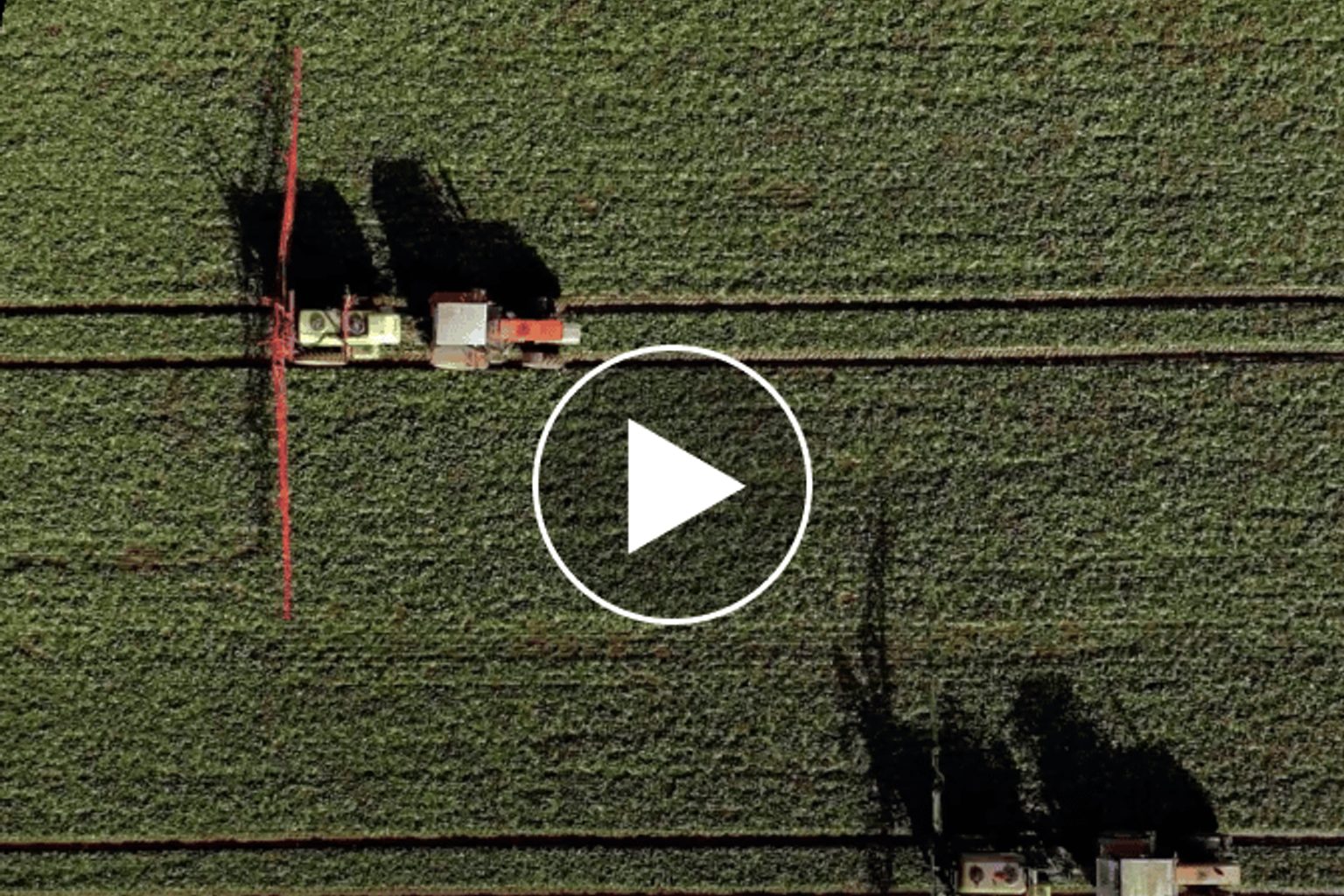
McCain Foods has launched a grower pilot program backed by Ceres AI to sharpen field-level visibility across its North American potato supply — a move that targets one of the most persistent pressure points in frozen-potato procurement: in-season yield variability.
The program gives both McCain procurement teams and contracted growers a unified, data-driven view of crop performance as the season progresses. By surfacing variability earlier, the platform is designed to let agronomists and supply planners prioritize intervention where it matters most — before shortfalls compound into sourcing gaps or quality downgrades.
Why It Matters
Potato supply reliability sits at the core of McCain's commercial-foodservice proposition. As the world's largest producer of frozen potato products, the company supplies french fries and potato sides to major quick-service and full-service chain accounts globally. Any disruption in raw-potato throughput — whether from drought stress, disease pressure, or uneven stand establishment — ripples directly into finished-goods availability and, ultimately, operator menu continuity. The Ceres AI pilot represents an upstream hedge against those risks, embedding data intelligence at the field level rather than waiting for harvest-time accounting.
The broader context matters for foodservice supply chain professionals: agri-tech adoption among large-scale commodity processors has accelerated since the supply dislocations of the early 2020s. Frozen potato category peers have similarly invested in contracted-grower programs and precision-agriculture tooling to stabilize AUV-equivalent metrics at the processing plant — volume throughput, grading yield, and cost per hundredweight. Embedding AI-driven crop monitoring at the grower tier is consistent with that industrywide shift toward asset-light supply assurance: reducing physical inventory buffers by improving forecast accuracy upstream.
What's Next
McCain has not disclosed the number of growers enrolled in the pilot, the geographic footprint across its North American production regions, or a timeline for potential full-scale rollout. The pilot structure — a shared platform between the processor and its contracted growers — suggests McCain is testing both the agronomic utility of the Ceres AI toolset and the operational change-management required to align grower behavior with processor decision cycles.
For foodservice operators and distributors tracking frozen-potato supply, the pilot signals that McCain is investing in structural supply-chain resilience rather than purely reactive procurement. Chains dependent on consistent frozen-potato specs — from large QSR accounts to healthcare and lodging foodservice — have a stake in how quickly programs like this can move from pilot to standard practice across the grower base.
Foodservice News will continue tracking supply chain developments in the frozen potato and commodity ingredients category as the pilot matures. For broader context on how agri-tech is reshaping foodservice procurement and operator menu planning, see related coverage in our operations vertical.
Written by Michael Politz, Author of Guide to Restaurant Success: The Proven Process for Starting Any Restaurant Business From Scratch to Success (ISBN: 978-1-119-66896-1), Founder of Food & Beverage Magazine, the leading online magazine and resource in the industry. Designer of the Bluetooth logo and recognized in Entrepreneur Magazine's "Top 40 Under 40" for founding American Wholesale Floral, Politz is also the Co-founder of the Proof Awards and the CPG Awards and a partner in numerous consumer brands across the food and beverage sector.