The Placement
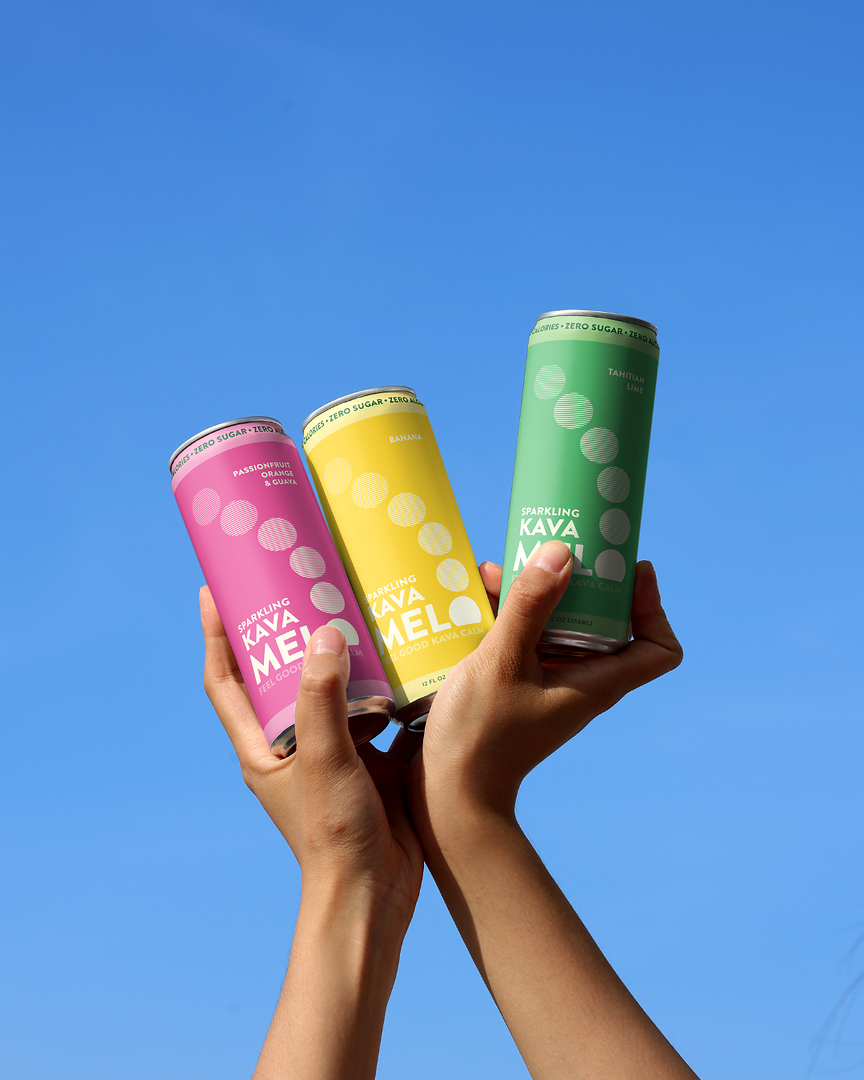
Melo, an Australian-founded sparkling kava beverage brand, entered all 13 Southern California Erewhon Market locations on Oct. 30, placing two SKUs — Passionfruit Orange & Guava and Tahitian Lime — in the chain's functional beverage coolers. The launch gives the zero-sugar, zero-alcohol, zero-calorie canned kava line its highest-profile retail foothold to date and extends a natural-channel distribution run that already includes Raley's, Bristol Farms, BevMo!, Thrive Market, and Gopuff.
Melo uses noble kava sourced directly from family-owned farms in Vanuatu and carries vegan and gluten-free positioning. The 12 fl. oz. can format is a deliberate departure from the category's traditional delivery vehicles — loose-leaf teas, tinctures, and kava bar servings — and is aimed squarely at the refrigerated functional set that has rapidly become one of the most competitive real estate battles in natural grocery.
The Category Shift
The Erewhon authorization reflects a structural turn in the functional beverage segment. For roughly a decade, energy and focus dominated new-product activity and shelf allocation. The emerging calm-and-stress-relief subset — sometimes called the "relaxation" or "de-stress" daypart — is now drawing dedicated cooler space from premium grocers and natural-channel independents alike, with kava joining adaptogens, ashwagandha, and L-theanine as recognizable consumer-facing ingredients.
"For a decade, the functional beverage market has run on the go, go, go mentality of energy drinks, but now what people actually want is permission to slow down," said Amy Betts, co-founder and CEO of Melo. "Kava has done that job for centuries; it just needed a format that fit a modern shelf."
Betts's framing captures the commercial logic: the ingredient has established cultural credibility without yet commanding mainstream shelf space in ready-to-drink format. For retail buyers, that gap represents both a category-building opportunity and a manageable risk when anchoring with a premium, trend-forward banner like Erewhon.
Supply Chain & Outlook
Melo's supply-side differentiation extends beyond beverage positioning. The brand holds official private-sector partner status with the UN and International Trade Centre's Pacific Islands Kava Initiative, a program designed to raise quality standards and improve market access for kava-farming communities in the Pacific. That sourcing story gives retail buyers an ESG-adjacent narrative at a time when natural-channel grocers are increasingly scrutinizing ingredient provenance alongside clean-label credentials.
The Erewhon launch is framed internally as a stepping stone rather than a destination. The brand has signaled plans for additional retailer authorizations through 2027, with the existing footprint — Amazon, Thrive Market, Raley's, Bristol Farms, Lassen's, BevMo!, and Gopuff — providing regional velocity data that should support the next round of buyer conversations. For operators and buyers tracking the functional beverage category closely, Melo's distribution arc mirrors the early-stage playbook deployed by several now-mainstream better-for-you brands: premium natural-channel first, then conventional grocery and foodservice channels as awareness scales.
As calm-functional RTDs continue to attract emerging beverage brands seeking differentiation in a crowded market, the Erewhon placement gives Melo credible proof of concept in one of the most influential natural-retail proving grounds in the country.
Written by Michael Politz, Author of Guide to Restaurant Success: The Proven Process for Starting Any Restaurant Business From Scratch to Success (ISBN: 978-1-119-66896-1), Founder of Food & Beverage Magazine, the leading online magazine and resource in the industry. Designer of the Bluetooth logo and recognized in Entrepreneur Magazine's "Top 40 Under 40" for founding American Wholesale Floral, Politz is also the Co-founder of the Proof Awards and the CPG Awards and a partner in numerous consumer brands across the food and beverage sector.