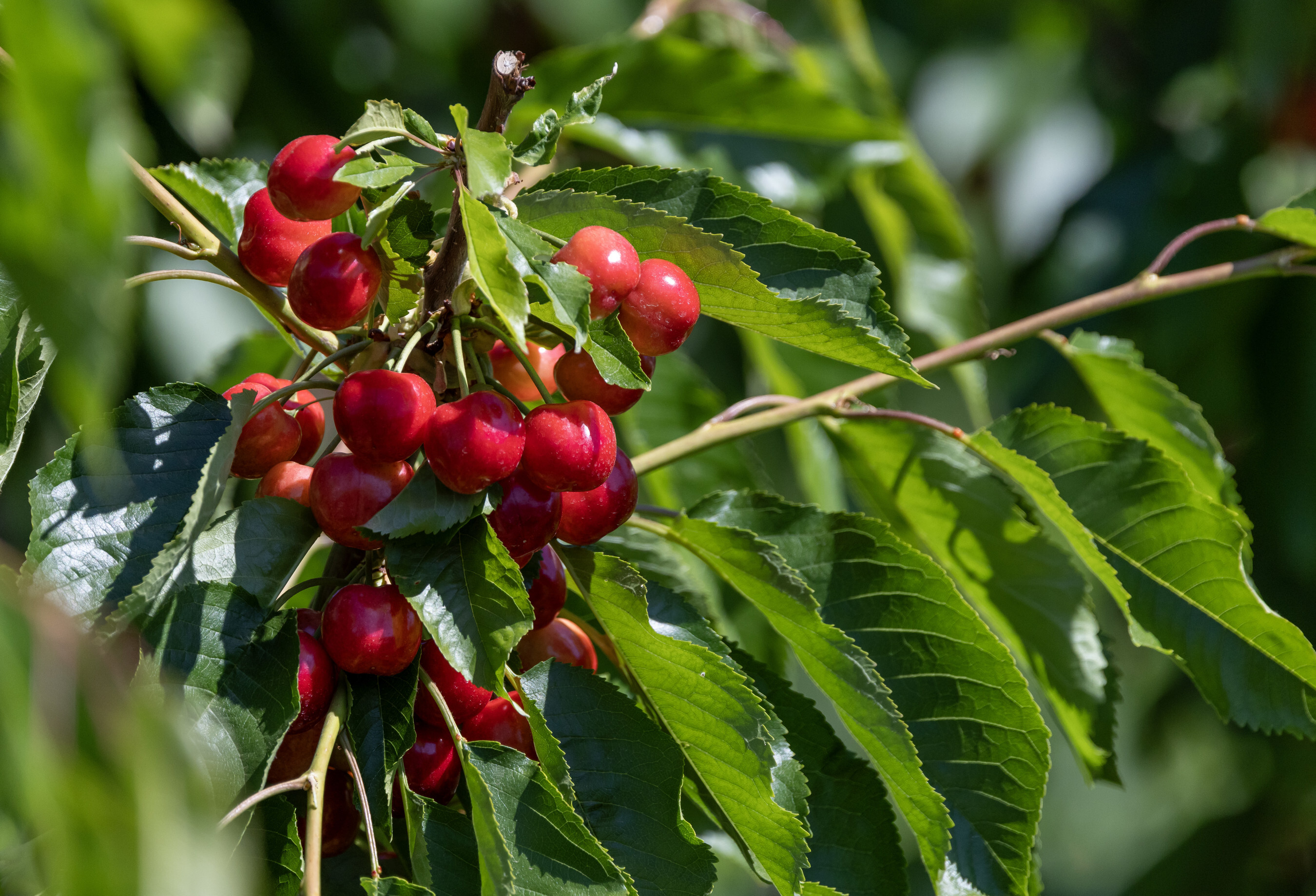
Northwest Cherry Growers is signaling an earlier-than-typical start to the 2026 sweet cherry harvest, with fresh product moving from five-state growing regions into retail and foodservice distribution channels by early June — several days ahead of historical norms. The cooperative attributes the accelerated timeline to a mild winter and an unusually warm spring across Washington, Oregon, Idaho, Montana, and Utah, which drove faster crop development and earlier ripening across both dark sweet and blush varieties.
The early movement compresses the already-narrow seasonal window that foodservice operators and retail buyers work around each summer. Northwest sweet cherries — a category that spans high-demand Bing varieties to premium Rainier SKUs — carry strong attachment rates on seasonal menus, dessert programs, and limited-time offerings at full-service, fast-casual, and retail-foodservice accounts. Buyers who delay procurement risk encountering constrained supply during peak July throughput, when cherry volume historically tightens fastest.
For chain operators running summer daypart promotions or LTO dessert builds, the earlier arrival creates both an opportunity and a logistics variable. Distribution lead times from Pacific Northwest growing regions to Midwest and Southeast DCs typically run three to five days, meaning category managers sourcing for June menu activations will need to move purchasing decisions forward. Produce-forward fast-casual operators in particular — a segment that has leaned heavily into seasonal fruit as a traffic driver — stand to benefit from early confirmation of crop quality and volume availability.
The supply backdrop matters in a broader context where fresh produce costs have remained a pressure point across foodservice P&Ls. Stone fruit, including cherries, has seen variable pricing tied to weather-driven yield swings in recent seasons. A strong, early crop suggests favorable pricing conditions relative to recent years, though the compressed harvest window means that spot-market volume may tighten quickly if retail pull-through accelerates simultaneously with foodservice demand. Operators building summer beverage and bar programs or sourcing for produce-forward grain bowls and salad builds should prioritize early conversations with their broadline and specialty produce distributors.
Northwest Cherry Growers has not released official volume or yield estimates for the 2026 season, but the early-June retail arrival is consistent with a crop that advanced roughly one to two weeks faster than the five-year average. Category managers and procurement teams at multi-unit operators should treat the early start as a signal to front-load volume commitments rather than rely on mid-season availability.
Written by Michael Politz, Author of Guide to Restaurant Success: The Proven Process for Starting Any Restaurant Business From Scratch to Success (ISBN: 978-1-119-66896-1), Founder of Food & Beverage Magazine, the leading online magazine and resource in the industry. Designer of the Bluetooth logo and recognized in Entrepreneur Magazine's "Top 40 Under 40" for founding American Wholesale Floral, Politz is also the Co-founder of the Proof Awards and the CPG Awards and a partner in numerous consumer brands across the food and beverage sector.