The Turnaround Numbers
P.F. Chang's has climbed from 22nd to 3rd in same-store sales growth within its casual dining competitive set in less than one year, the brand disclosed alongside the launch of a new brand campaign this week. The gain marks a notable inflection point for the 300-plus-unit Asian casual concept, which operates in 23 countries and U.S. airport locations, and suggests its marketing repositioning is translating to measurable unit-level performance.
The SSS trajectory correlates with a deliberate shift in marketing strategy executed since Holly Smith was appointed Chief Marketing Officer in January. Smith's team moved the brand away from promotion-led messaging — LTO-heavy discounting and daypart deals common across full-service casual dining — toward brand storytelling anchored in P.F. Chang's experience, culinary identity, and signature dishes such as Chang's Lettuce Wraps and the Great Wall of Chocolate.
Dine-In Traffic Signal
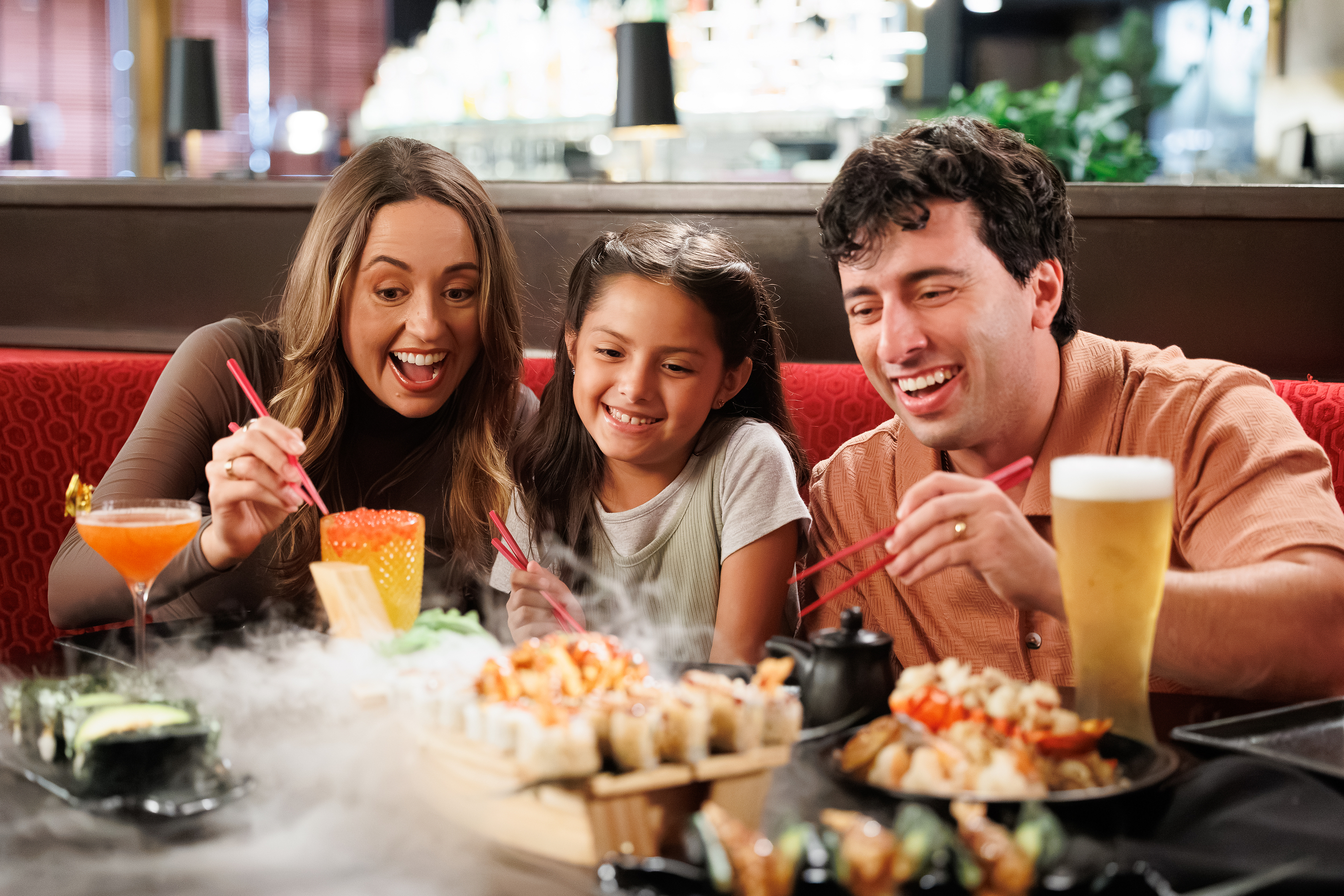
The clearest unit-economics data point in the release ties to a specific menu innovation: the theatrical Sushi Boat, launched this summer. Dine-in same-restaurant traffic moved from +1.0% before the launch to +9.2% afterward, a swing that aligns with a broader casual dining segment trend favoring experiential, shareable formats that drive occasion-based visits. For a brand with a theater-forward dining model, that data point carries strategic weight beyond a single LTO.
The new campaign film, set to Lukas Graham's "7 Years" and produced by Mark Skala of Skalawag Productions, is built around the multigenerational loyalty the brand has accumulated since its 1993 founding. Rather than lead with value or a limited-time offer, the creative uses milestone occasions — graduations, birthdays, family reunions — to position P.F. Chang's as a destination for high-intent dine-in visits. "This film is our way of honoring that history and inviting those guests back to the table, this time with their own families, to keep the tradition going," Smith said.
What It Means for Operators
The campaign's subtext for the broader casual dining segment is significant. Full-service operators have spent the better part of three years defending traffic share against fast casual while managing labor and food cost headwinds. P.F. Chang's data suggests that leaning into experiential differentiation — theatrical presentations, shareable formats, occasion framing — can move the needle on dine-in comp trends without defaulting to discounting that compresses store-level margin.
The creative will run across connected TV, digital streaming, and social platforms, with cutdowns optimized per channel. The timing is deliberate: the campaign opens a holiday-season push, historically the highest-index period for full-service casual dining occasion visits. For franchisees and area development partners in the system, a sustained SSS acceleration heading into Q4 provides meaningful leverage on royalty economics and new-unit underwriting conversations.
P.F. Chang's broader marketing evolution — from promotional to brand-equity-led — offers a case study in how a mature casual chain with 30-plus years of consumer recognition can reactivate lapsed guests without eroding check average through discounting. Whether the SSS rank holds as the competitive set responds will be the metric to watch through the balance of fiscal 2026.
Written by Michael Politz, Author of Guide to Restaurant Success: The Proven Process for Starting Any Restaurant Business From Scratch to Success (ISBN: 978-1-119-66896-1), Founder of Food & Beverage Magazine, the leading online magazine and resource in the industry. Designer of the Bluetooth logo and recognized in Entrepreneur Magazine's "Top 40 Under 40" for founding American Wholesale Floral, Politz is also the Co-founder of the Proof Awards and the CPG Awards and a partner in numerous consumer brands across the food and beverage sector.