
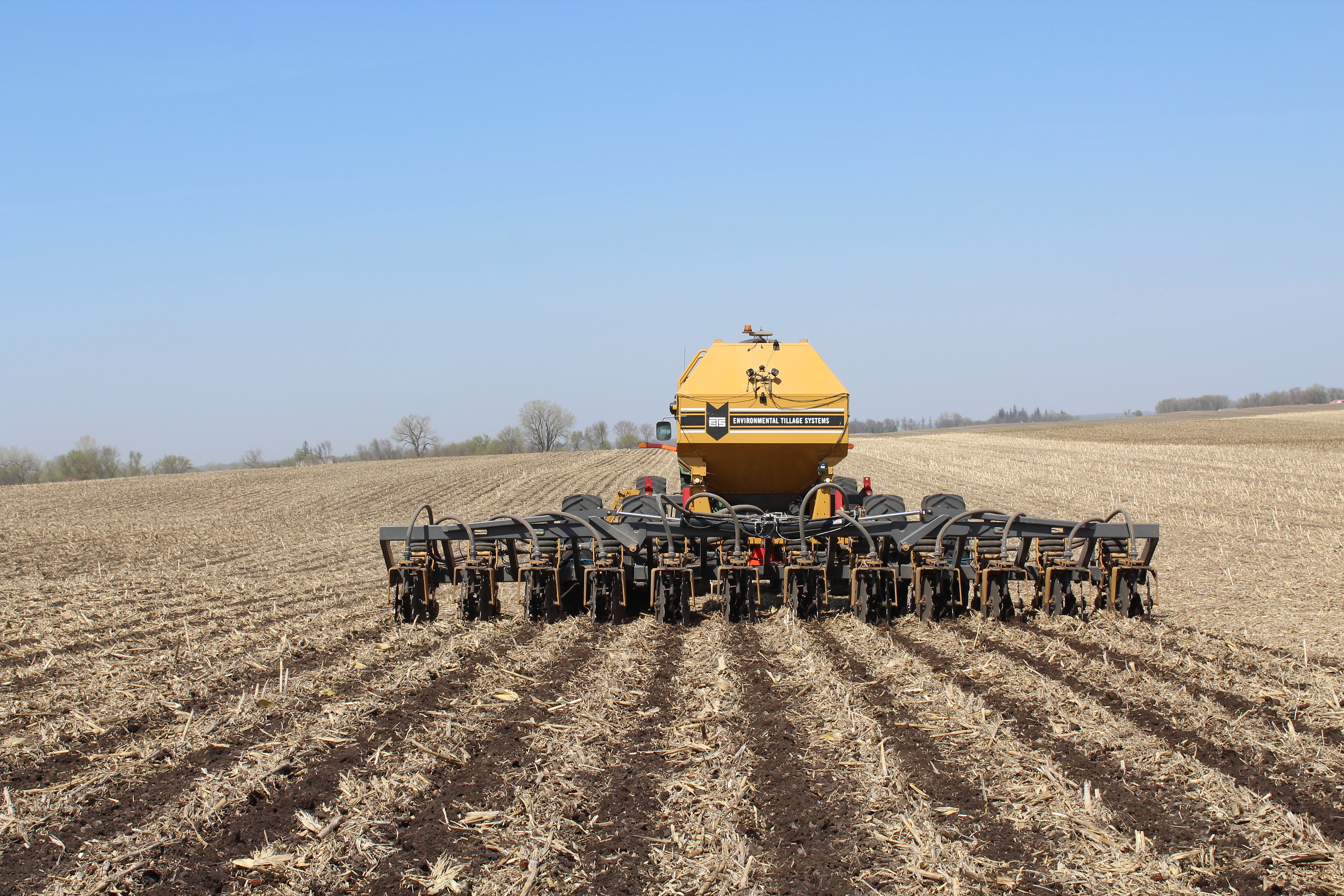
PepsiCo (NASDAQ: PEP) is co-funding a strip-till equipment leasing pilot with agricultural lender Compeer Financial, underwriting two annual lease payments for farmers who adopt soil-conservation practices — a direct play to stabilize the commodity and ingredient supply chains that feed its snack and beverage portfolio.
Under the structure, Compeer Financial deploys capital through its RegenLend platform, leasing strip-till equipment to participating farmers in Wisconsin. PepsiCo steps in to cover two years of lease payments, effectively reducing farmers' out-of-pocket cost of transitioning to conservation tillage. The Environmental Defense Fund assisted in program design, while the Soil and Water Outcomes Fund serves as operational partner for management and verification.
For foodservice operators and their distributor partners, the initiative signals how Tier 1 ingredient suppliers are increasingly moving upstream to manage input cost volatility. PepsiCo's core foodservice-facing lines — Frito-Lay snacks, Quaker grain-based ingredients, and Gatorade — depend heavily on corn, oats, and potato supply. Disruptions from soil degradation, drought, or yield variability translate directly into commodity price swings that ripple through distributor pricing and operator food costs. By subsidizing conservation adoption, PepsiCo is effectively hedging long-cycle agricultural risk before it reaches the invoice.
The pilot fits a broader industry pattern. Large beverage and snack manufacturers have accelerated regenerative-agriculture commitments since 2022, partly in response to SEC climate-disclosure pressure and partly to meet sustainability sourcing targets embedded in large national account contracts with QSR and fast-casual chains. Competitors including General Mills and PepsiCo rival Mondelēz have launched analogous grower-support programs, raising the stakes for any manufacturer that cannot demonstrate supply-chain sustainability credentials to chain procurement teams.
Compeer Financial's RegenLend platform provides the financial infrastructure that has historically been a bottleneck: farmers willing to adopt conservation practices often lack access to affordable equipment financing, and conventional ag lenders rarely price regenerative-transition risk favorably. The three-party model — lender, manufacturer subsidy, and third-party outcomes verification — represents a replicable template that foodservice supply chain analysts will watch for adoption by other center-of-plate and commodity-exposed manufacturers. Whether PepsiCo expands the pilot beyond Wisconsin or broadens equipment categories will be a key indicator of program viability.
Written by Michael Politz, Author of Guide to Restaurant Success: The Proven Process for Starting Any Restaurant Business From Scratch to Success (ISBN: 978-1-119-66896-1), Founder of Food & Beverage Magazine, the leading online magazine and resource in the industry. Designer of the Bluetooth logo and recognized in Entrepreneur Magazine's "Top 40 Under 40" for founding American Wholesale Floral, Politz is also the Co-founder of the Proof Awards and the CPG Awards and a partner in numerous consumer brands across the food and beverage sector.
