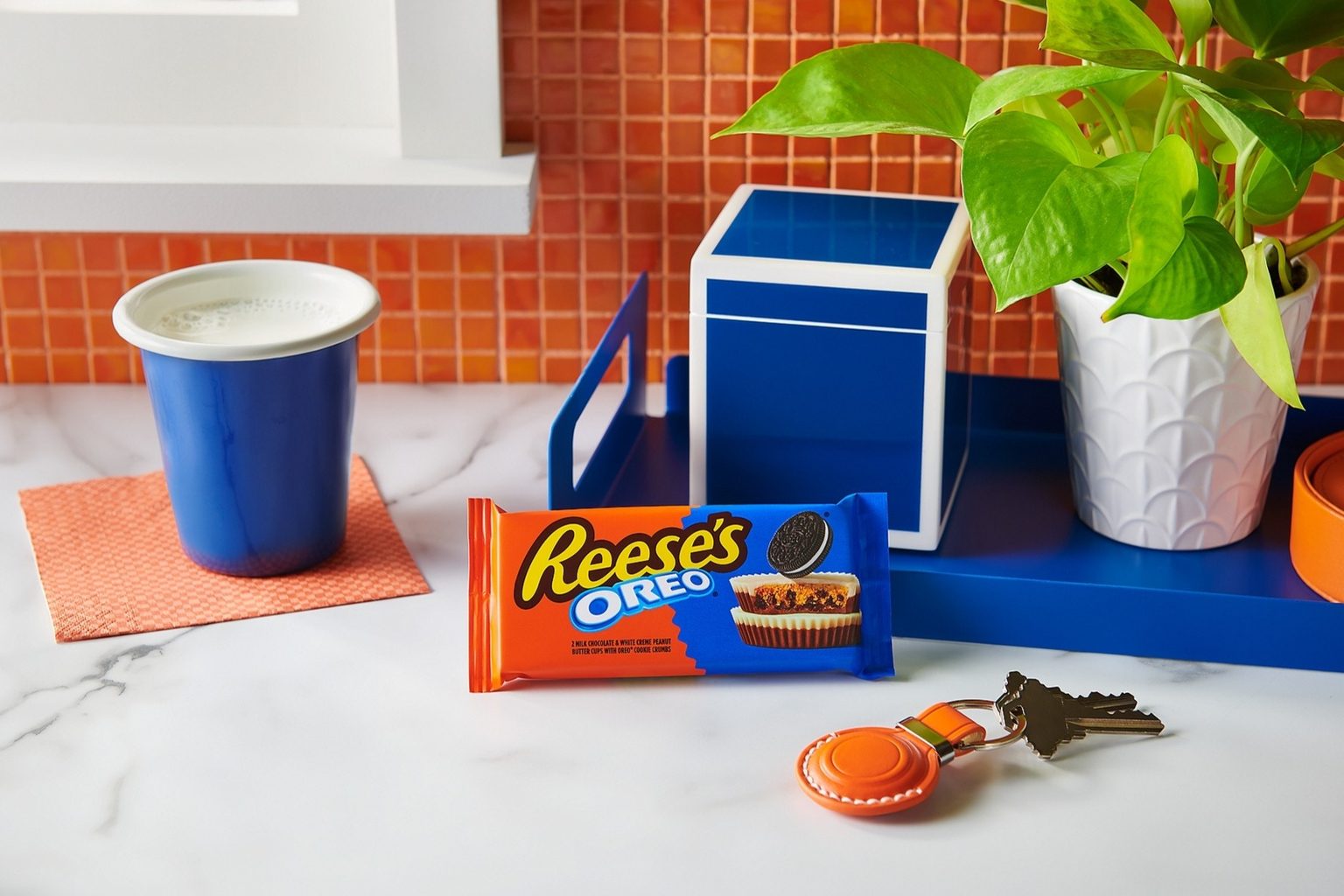
The Reese's OREO Cup, the cross-brand confection launched by The Hershey Company (NYSE: HSY) and Mondelēz International (Nasdaq: MDLZ), crossed $188 million in retail sales in its first year on shelf — a figure Hershey is calling its top innovation result for 2025. The milestone underscores the growing commercial weight of brand-licensing collaborations in the packaged snacks aisle, a format that foodservice and convenience operators increasingly use to anchor impulse and grab-and-go sets.
The Numbers
The product — milk chocolate and white creme peanut butter cups embedded with OREO cookie crumbs — delivered what Hershey describes as strong repeat purchase behavior alongside new-buyer acquisition, particularly among younger demographics. Melissa Blette, Senior Brand Manager at The Hershey Company, framed the result as a validation of consumer-led development: "REESE'S OREO was inspired by a conversation consumers had been having for years. Watching that enthusiasm continue one year later has reinforced the value of building products with consumers, not just for them." The SKU is now confirmed as a permanent fixture in the Reese's portfolio, removing the limited-time-offer uncertainty that can complicate foodservice and c-store planogram commitments.
Anniversary Push
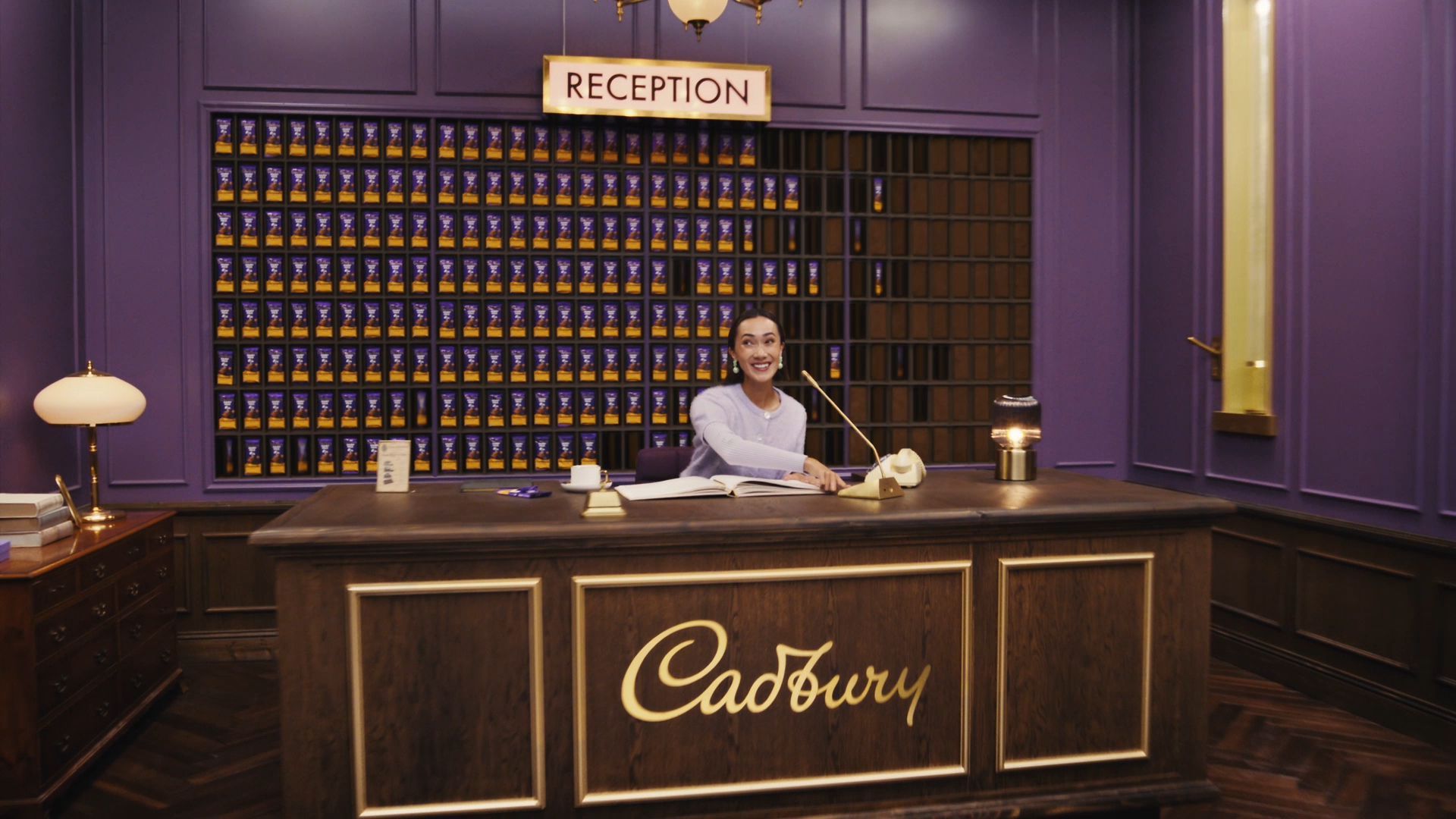
To mark the anniversary, Hershey launched a campaign starring Lindsay Lohan and Amy Sedaris, directed by Patricia Arquette and produced by Juxtapose Studio. The creative leans on the product's origin story — years of social media wish-listing before the brands officially teamed up — and is running across Instagram and YouTube. For retail and foodservice buyers, the sustained marketing investment signals that Hershey and Mondelēz intend to support the SKU with above-the-line spend well into its second year, reducing the promotional risk typically associated with collaboration products that peak at launch and fade.
Operator Takeaway
For convenience and foodservice operators managing confection sets, the Reese's OREO Cup's permanence and $188 million retail trajectory offer a credible velocity argument for shelf or impulse placement. Cross-brand LTOs that convert to permanent SKUs are relatively rare in the confection category; most collaboration products cycle out within 12 to 18 months. The ability to attract incremental, younger buyers — rather than cannibalizing existing Reese's purchasers — strengthens the case for dedicated facings rather than a swap with existing Reese's variants. Operators tracking snack innovation trends can find additional context in our coverage of emerging snack formats and retail channel dynamics and cross-brand licensing trends in packaged food.
Written by Michael Politz, Author of Guide to Restaurant Success: The Proven Process for Starting Any Restaurant Business From Scratch to Success (ISBN: 978-1-119-66896-1), Founder of Food & Beverage Magazine, the leading online magazine and resource in the industry. Designer of the Bluetooth logo and recognized in Entrepreneur Magazine's "Top 40 Under 40" for founding American Wholesale Floral, Politz is also the Co-founder of the Proof Awards and the CPG Awards and a partner in numerous consumer brands across the food and beverage sector.