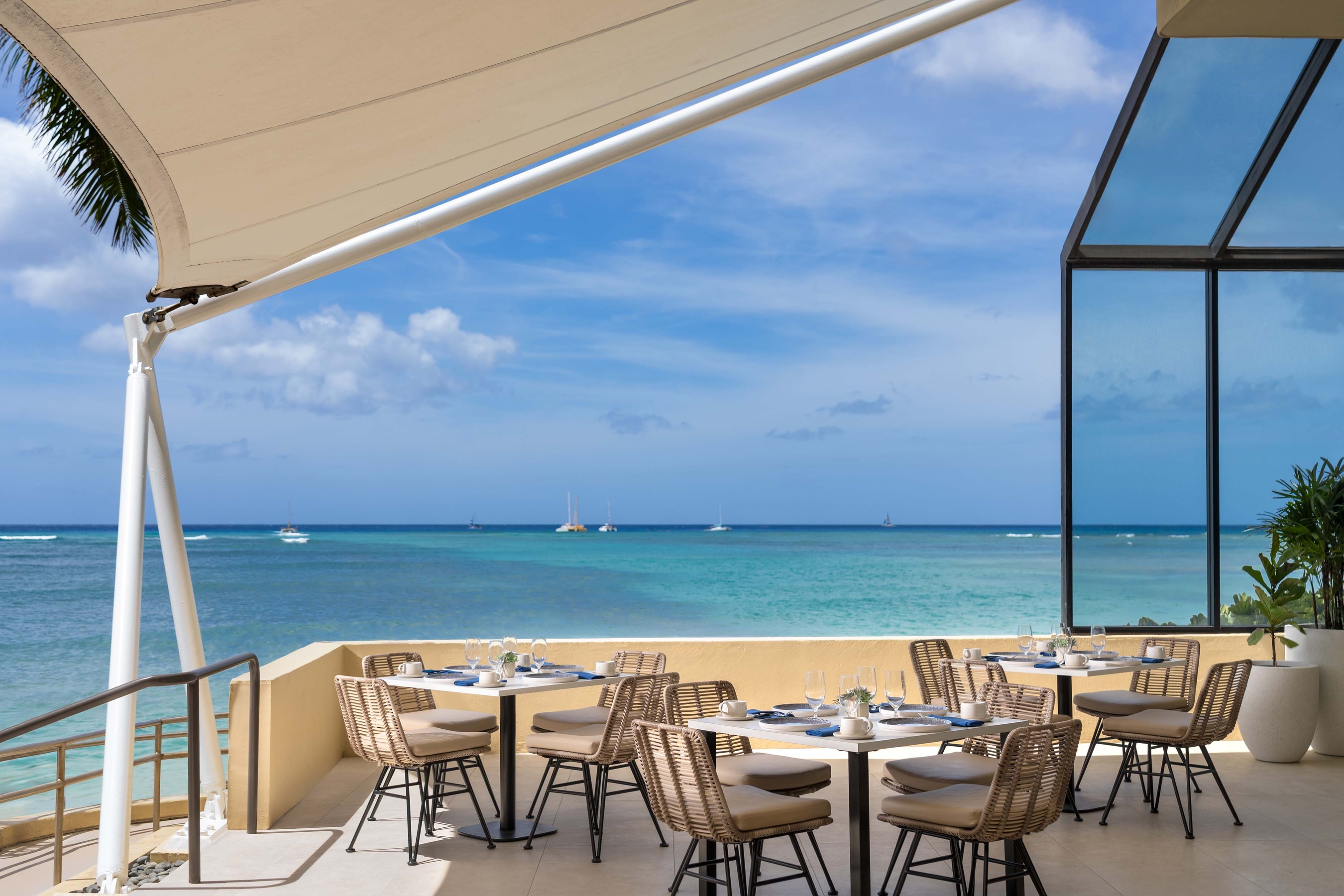
Sheraton Waikiki Beach Resort has opened Hinahina on the Beach, a new all-day oceanfront restaurant that consolidates two former venues — Kai Market and The Edge of Waikiki Bar — into a single dining destination. The opening also marks the restoration of daily breakfast and dinner buffet service at the 1,636-room property for the first time in more than six years, a notable move for a resort segment that spent most of the post-pandemic period pulling back from labor-intensive buffet formats.
The Concept
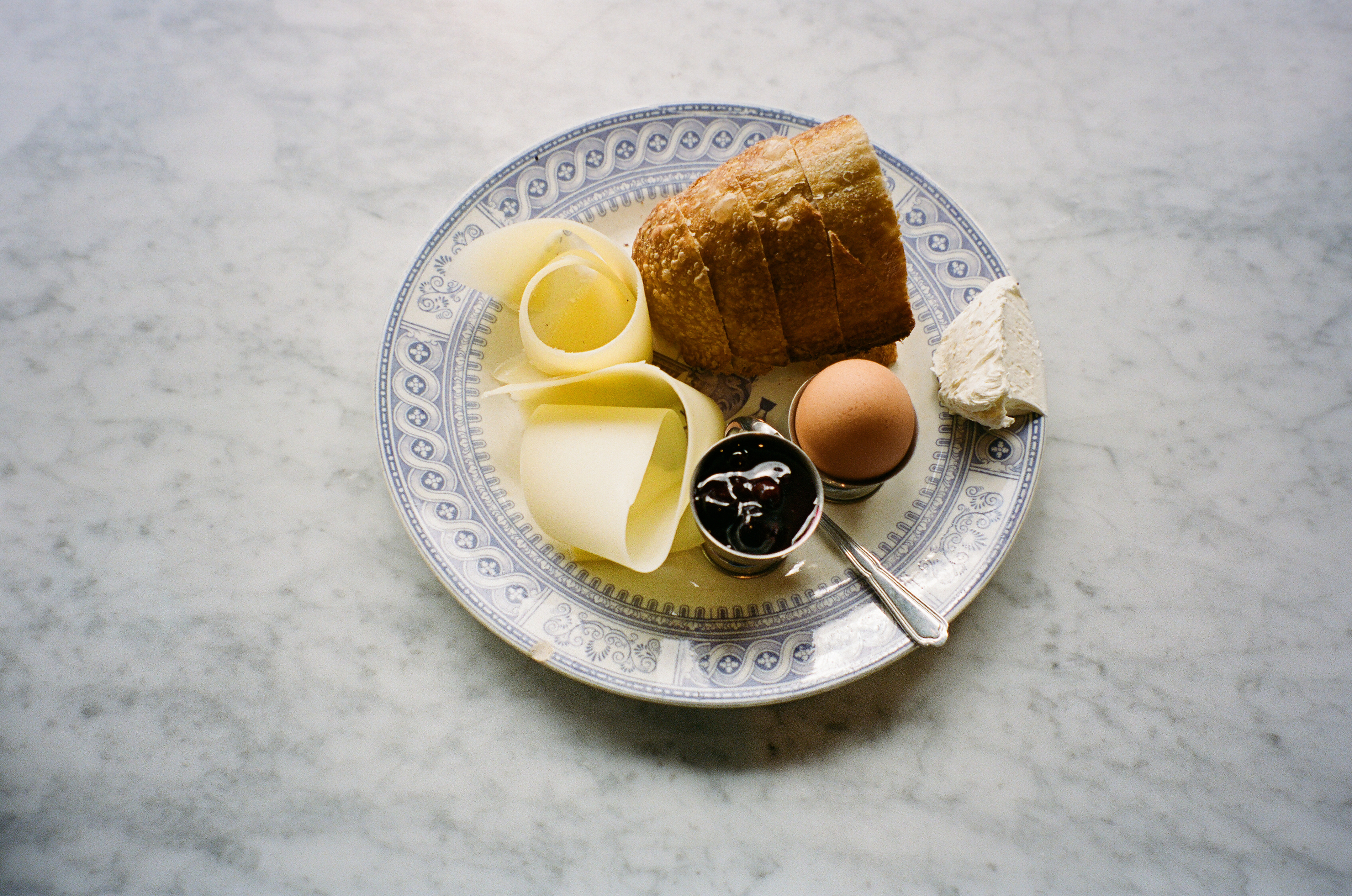
Hinahina operates across breakfast, lunch, and dinner dayparts, with the breakfast buffet running from 6:30 to 10:30 a.m. and dinner service from 5 to 8 p.m. The buffet lineup at breakfast includes an omelet station, pineapple upside-down pancakes, eggs benedict, fried rice, fresh-cut fruits, and a rotating salad selection — the kind of high-touch, high-throughput offering that demands coordinated back-of-house execution at resort scale. Lunch shifts to an à la carte format featuring build-your-own poke bowls with local-caught ahi or wild-caught Atlantic salmon, a wagyu beef burger, loco moco, and fish tacos. The dinner menu centers on shareable plates, including giant tiger shrimp with red Thai lobster curry sauce.
The Shapers Room, a private dining space inside Hinahina, seats up to 40 guests with Waikiki Beach views. The property also offers semi-private and full-restaurant buyout options accommodating groups of 25 to 250 — a capability that positions Hinahina as a banquet-adjacent revenue driver for Sheraton Waikiki Beach Resort, which Skift has recognized as the best U.S. hotel for sustainable meetings and events and operates the largest hotel ballroom on Oahu.
Culinary Leadership
Executive Chef Darren Demaya, promoted from executive sous chef, leads the culinary program. A Hawaii Island native with more than 18 years at the property, Demaya trained under the Alan Wong's Restaurant kitchen in Honolulu before building his career across the resort's restaurants, bars, banquet, and daily dining operations. His tenure and local roots align with an operator-level trend toward culinary directors who can bridge high-volume production with regionally differentiated menus — a formula that has become increasingly important for full-service resort F&B as hotel groups seek to compete with independent restaurant concepts for the local dining dollar.
Operator Implications
The consolidation of Kai Market and The Edge of Waikiki Bar into a single concept is a pragmatic unit-economics decision. Running two separate oceanfront outlets requires duplicated management overhead, distinct supply chains, and split front-of-house staffing. A unified all-day concept with clearly defined daypart transitions can improve seat utilization and reduce labor complexity — particularly relevant given Hawaii's persistently tight hospitality labor market. The return of the dinner buffet, which the resort is phasing in starting November 6, adds another throughput layer that could meaningfully lift per-cover revenue on high-occupancy nights.
For operators tracking full-service hotel F&B recovery, Hinahina's model — local chef, culturally anchored concept name, multi-daypart buffet restore, and flexible event capacity — reflects a broader playbook being deployed at upper-upscale properties seeking to recapture pre-pandemic F&B revenue per available room. Related coverage on hotel dining repositioning can be found in our full-service restaurant and hospitality foodservice sections.
Written by Michael Politz, Author of Guide to Restaurant Success: The Proven Process for Starting Any Restaurant Business From Scratch to Success (ISBN: 978-1-119-66896-1), Founder of Food & Beverage Magazine, the leading online magazine and resource in the industry. Designer of the Bluetooth logo and recognized in Entrepreneur Magazine's "Top 40 Under 40" for founding American Wholesale Floral, Politz is also the Co-founder of the Proof Awards and the CPG Awards and a partner in numerous consumer brands across the food and beverage sector.