The Numbers
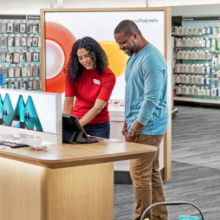
Target Corporation (NYSE: TGT) posted second-quarter net sales of $26.5 billion, a 5.3% year-over-year gain, as comparable sales rose 3.8% on a 3.6% increase in comparable traffic — the most consequential driver of the chain's topline recovery. Store-originated comp sales grew 2.7%, while digitally originated comp sales climbed 8.7%, led by same-day delivery growth exceeding 25%.
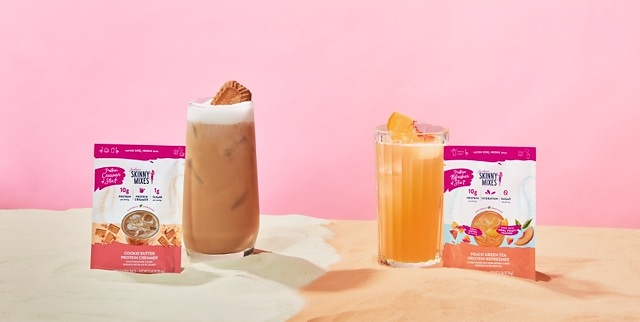
Food and beverage, one of Target's six core merchandising categories, delivered high-single-digit comp growth in the quarter — a standout result that underscores the category's role as a traffic driver across the retailer's 2,019-unit fleet. Household essentials also grew, contributing to what management described as broad-based strength across demographics, channels, and the full quarter. Food & beverage merchandise sales reached $5.99 billion in Q2, up from $5.59 billion a year earlier, making it the second-largest revenue category behind household essentials at $4.62 billion. For foodservice suppliers and CPG vendors with Target distribution, the category trajectory signals continued shelf velocity and replenishment demand heading into the back half.
Tariff Tailwind and Margin Context
Reported operating income of $2.6 billion and an operating margin of 9.6% were substantially inflated by a $994 million pretax benefit from IEEPA tariff refunds, which added 3.7 percentage points to the gross margin rate of 33.7%. Excluding those refunds, gross margin expanded roughly 100 basis points over the prior-year rate of 29.0%, reflecting favorable year-over-year comparisons against elevated markdowns and purchase-order cancellation costs. SG&A expense rate edged up to 21.6% from 21.3%, driven by higher field-team compensation, incentive pay, and capital project spending. Diluted EPS landed at $4.11, doubling the prior-year $2.05; stripping out tariff refunds, the EPS gain was approximately 20%. Non-merchandise revenue — including Roundel digital advertising, Target Circle 360 membership fees, and the Target+ marketplace — grew more than 20%, with Roundel ad revenue reaching $279 million in the quarter, up from $217 million.
Guidance and Capital Deployment
Target raised its full-year net sales growth guidance to approximately 5%, one percentage point above prior guidance. Full-year EPS guidance of $9.90 to $10.90 includes the Q2 tariff refund benefit of approximately $1.65 per share but excludes any future refunds. The operating income margin rate is expected to land around 6% for the full year; absent tariff refunds, the company targets roughly 50 basis points of improvement over last year's adjusted rate of 4.6%.
Capital expenditures of $1.4 billion in the quarter were 27% higher than a year ago, driven primarily by store remodels and new unit openings — a signal that Target is accelerating the physical-store investment cycle even as digital off-premise volume grows. The company did not repurchase shares in Q2 and ended the period with approximately $8.3 billion of remaining buyback capacity. After-tax return on invested capital for the trailing twelve months was 15.4%, up from 14.3% a year earlier. For food and beverage operators tracking mass retail as a competitive channel, Target's accelerating store-remodel cadence and same-day delivery scale present both partnership and shelf-competition dynamics worth monitoring closely. Coverage of related retail food and beverage trends and grocery channel developments continues across Foodservice News.
Written by Michael Politz, Author of Guide to Restaurant Success: The Proven Process for Starting Any Restaurant Business From Scratch to Success (ISBN: 978-1-119-66896-1), Founder of Food & Beverage Magazine, the leading online magazine and resource in the industry. Designer of the Bluetooth logo and recognized in Entrepreneur Magazine's "Top 40 Under 40" for founding American Wholesale Floral, Politz is also the Co-founder of the Proof Awards and the CPG Awards and a partner in numerous consumer brands across the food and beverage sector.