WIC participants enrolled in The Chickasaw Nation's program can now shop for federally approved foods online and receive home delivery, under a pilot launched by Umoja Health and JPMA. The initiative marks a significant departure from the traditional in-store, PIN-at-the-register redemption model that has defined WIC transactions since the program's inception.
The Access Gap
The Special Supplemental Nutrition Program for Women, Infants and Children served approximately 6.8 million participants per month in fiscal year 2025, according to the U.S. Department of Agriculture's Economic Research Service — including an estimated 41% of all U.S. infants. Despite that scale, the program's redemption infrastructure has lagged consumer grocery norms: participants must present at a WIC-authorized brick-and-mortar retailer, identify approved items from an often-confusing product list, and enter a PIN in front of a cashier. Families with limited mobility, rural addresses, or transportation barriers face disproportionate friction in accessing benefits they are entitled to receive.
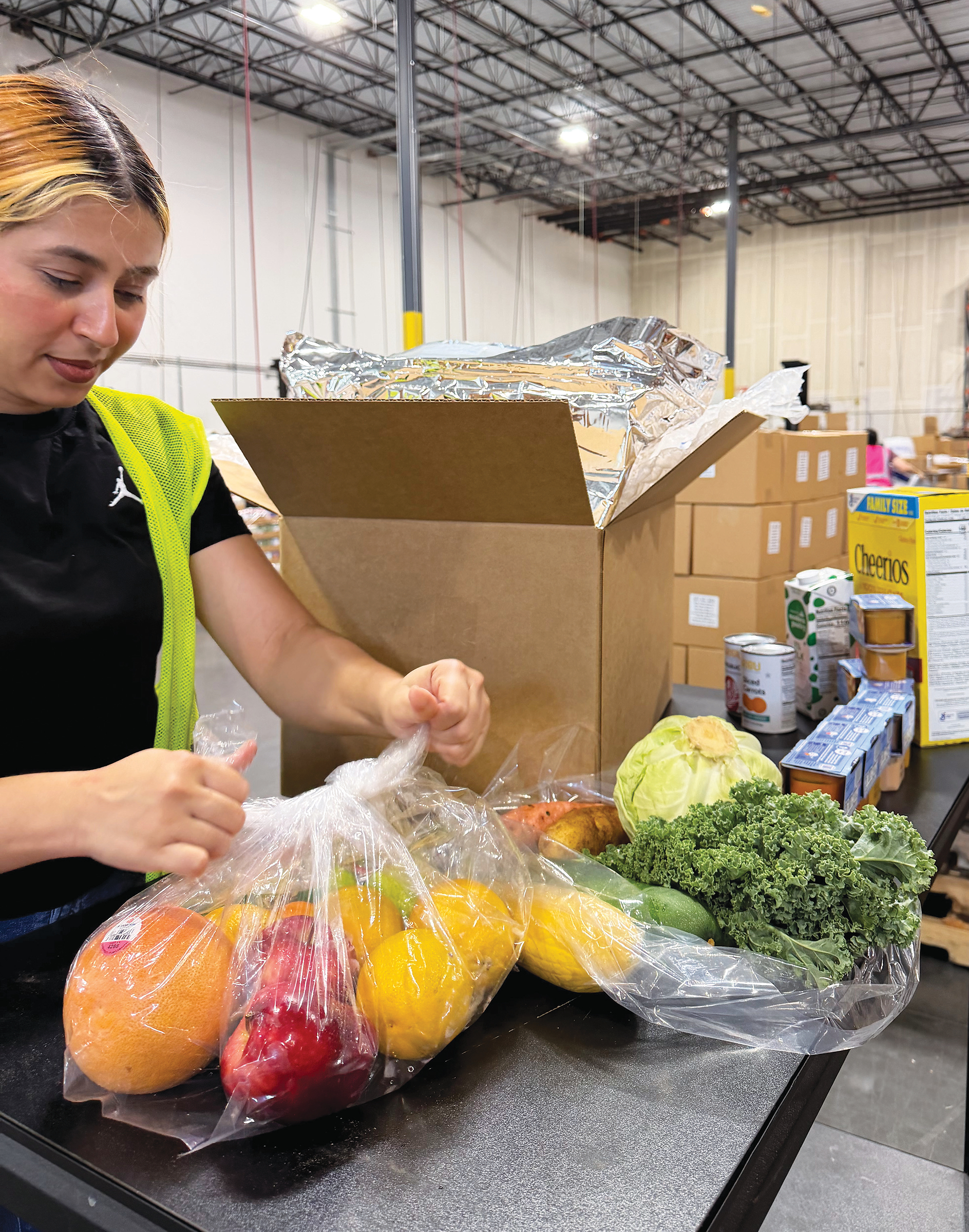
The WICShopper app, developed by JPMA, is already used by 36 state agencies and Indian Tribal Organizations and logged nearly 7 million shopping sessions per month across more than 1.4 million families. The new WICShopper Online layer extends that reach into e-commerce, allowing participants to build a compliant cart, apply benefits electronically, and schedule delivery without leaving home.
Retail and Distribution Stakes
For the food and foodservice supply chain, the pilot carries meaningful channel implications. WIC benefit redemption has historically been concentrated in large grocery chains with the technology infrastructure to support EBT and WIC card systems. Umoja Health's model is explicitly designed to route volume toward small, independent, minority-owned, and tribal retailers — operators that typically lack the capital to build their own online ordering and last-mile delivery capabilities.
"Online grocery shopping has become commonplace, and WIC participants deserve access to the same convenient shopping options available to other consumers," said Heidi Staats, Director of WIC Innovation and Partnerships at Umoja Health. The company's nationwide distribution network, which it describes as reaching rural and remote communities, positions it as a logistics backbone for authorized retailers that opt into the platform.
Outlook for Program Modernization
The tribal pilot structure is a calculated entry point. Indian Tribal Organizations operate as independent WIC administering entities, giving JPMA and Umoja Health a contained regulatory environment to validate order flow, benefit reconciliation, and last-mile delivery performance before pursuing broader state agency adoption. Ryan Magee, President of JPMA, framed the expansion as clearing "the way for families to access the full nutritional benefits WIC provides" — language that signals the companies intend to market the model to the remaining WIC state agencies not yet on WICShopper.
For foodservice-adjacent operators — particularly grocery retailers, meal-kit distributors, and food-as-medicine program administrators — the pilot represents an early proof point that WIC's roughly $5 billion annual food benefit spend could migrate meaningfully toward digital channels. Operators tracking food access and nutrition program trends or grocery and retail food channel shifts should watch how state agencies respond to pilot performance data over the coming months.
Written by Michael Politz, Author of Guide to Restaurant Success: The Proven Process for Starting Any Restaurant Business From Scratch to Success (ISBN: 978-1-119-66896-1), Founder of Food & Beverage Magazine, the leading online magazine and resource in the industry. Designer of the Bluetooth logo and recognized in Entrepreneur Magazine's "Top 40 Under 40" for founding American Wholesale Floral, Politz is also the Co-founder of the Proof Awards and the CPG Awards and a partner in numerous consumer brands across the food and beverage sector.