The Event
Woodlife Farm Market, a family-owned farm-market destination in New Lebanon, N.Y., returns with its Fourth Annual Lobster Fest on Saturday, Aug. 8, running noon to 6 p.m. The event draws on the growing farmstead-hospitality model — blending ticketed food programming with on-site retail and agritourism — that has gained traction across the Northeast as independent operators look to diversify revenue beyond commodity produce sales.
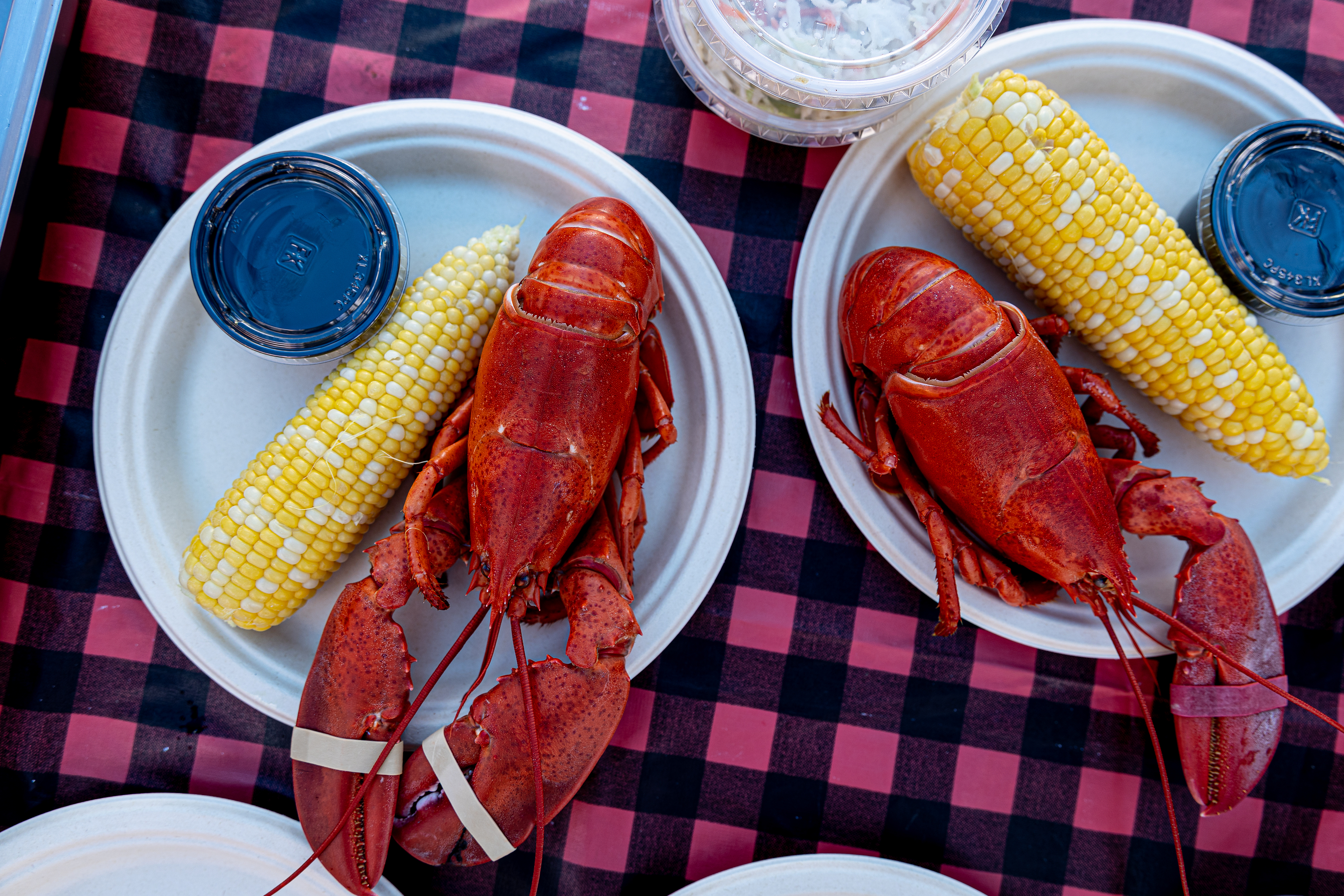
Lobster plates are priced at $35 plus tax and include one whole fresh Maine lobster, coleslaw, potato salad and corn on the cob. Advance purchase is required; the cutoff is noon on Aug. 5, and orders can be placed at the market, by phone, or online. General Manager Emily Gamble noted that last year's supply sold out quickly, underscoring the operational reality that sourcing live shellfish at event scale leaves little margin for walk-up demand.
The Menu and Programming
Guests not purchasing a lobster plate need no ticket to attend, keeping the gate open for walk-in traffic that drives incremental beverage and à la carte sales. The Woodlife Kitchen will operate a separate barbecue menu throughout the day — burgers, hot dogs and barbecue chicken with sides — alongside both alcoholic and nonalcoholic beverages. That dual-track structure, ticketed premium plate plus open-access casual fare, is a practical revenue management approach for farm-market operators running high-volume single-day events without the infrastructure of a full-service restaurant.
The Live Music Series continues at Lobster Fest with Just N Kace performing from 2 to 5 p.m., extending guest dwell time during the peak afternoon window. Newly developed trails on the property provide additional programming that helps convert the visit into a half-day experience — a retention mechanism familiar to agritourism operators competing with regional entertainment options for summer family spend.
Operator Context
Farm-market events like Lobster Fest reflect a broader trend in independent foodservice and agritourism: using limited-time, ingredient-forward programming to build loyalty, generate advance cash flow through pre-sold tickets, and command a modest premium over standard casual-dining price points. At $35 per plate, the lobster offering sits above typical fast-casual spend while remaining accessible for a family outing, especially in a Berkshires-adjacent market where summer tourism supports higher average checks.
For operators benchmarking seasonal LTO strategy in the farm-to-table and local-sourcing segment, the advance-purchase requirement is worth noting: it eliminates day-of supply uncertainty on a perishable protein with volatile spot-market pricing, effectively locking in yield before the event opens. That discipline mirrors practices in ticketed dining and experiential-foodservice programming that have expanded across independent and regional chain operators in recent years.
Written by Michael Politz, Author of Guide to Restaurant Success: The Proven Process for Starting Any Restaurant Business From Scratch to Success (ISBN: 978-1-119-66896-1), Founder of Food & Beverage Magazine, the leading online magazine and resource in the industry. Designer of the Bluetooth logo and recognized in Entrepreneur Magazine's "Top 40 Under 40" for founding American Wholesale Floral, Politz is also the Co-founder of the Proof Awards and the CPG Awards and a partner in numerous consumer brands across the food and beverage sector.