The NIL Play
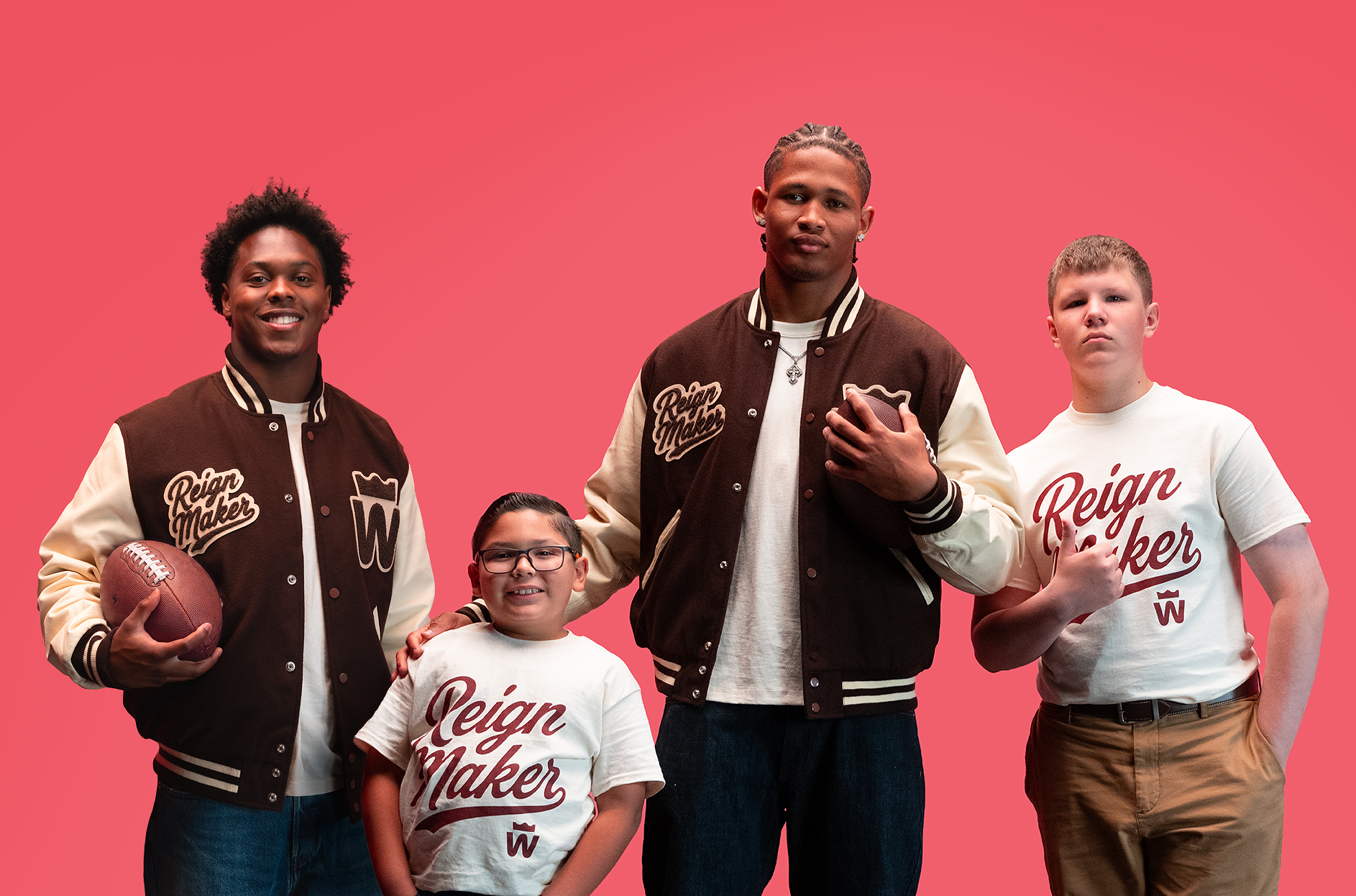
World's Finest Chocolate, the Chicago-based fundraising confectionery brand that claims nearly $5 billion raised for schools and youth organizations since 1949, is entering the NIL era for the first time — signing LSU running back Harlem Berry and UCLA wide receiver Leland Smith as brand partners under a new campaign called "Let Them Reign."
The move is less a traditional athlete endorsement than a channel-marketing play: both athletes sold World's Finest Chocolate as children, and the company is leveraging their origin stories to connect with the school administrators, booster club organizers, and youth-sports coordinators who actually make purchasing decisions. For a brand whose distribution runs through PTAs and athletic departments rather than retail shelves, NIL partnerships with recognizable collegiate athletes represent a direct line to the next generation of fundraising organizers.
Brand Refresh and Digital Tooling
The NIL campaign arrives alongside the company's most significant product and operational update in years. World's Finest Chocolate has simplified its fundraising lineup around a $2 chocolate bar price point — a deliberately accessible unit that reduces friction for young sellers working door-to-door or school-event channels. The company is also launching WFCentral, a digital app designed to help organizers manage campaign logistics, track sales, and coordinate participants. The app is expected to debut this fall.
The repackaging is the brand's first in a decade, signaling that the company is trying to sharpen its competitive positioning in the institutional fundraising segment, where it competes for school-group budget dollars against digital platforms, spirit-wear programs, and experience-based fundraisers. CEO Eddie Opler framed the effort as building life skills alongside revenue: "Today's fundraisers should do more than meet a financial goal. They should help kids build life skills, bring communities together, and create access to the experiences that help young people grow."
Operator and Channel Relevance
For foodservice and food-manufacturing observers, the World's Finest Chocolate news is a reminder that institutional and non-commercial channels — schools, youth sports, community organizations — remain a meaningful distribution tier for confectionery and snack categories. Unlike retail or foodservice, the fundraising channel operates on a consignment-adjacent model: product is placed with organizations that earn a margin on each unit sold, making price-point discipline and per-unit economics central to program adoption.
The "Reign Makers" component of the campaign — spotlighting top young sellers such as a 14-year-old who moved more than 300 boxes over five years — is also a direct pitch to organizations evaluating which fundraising program delivers the highest sell-through. High seller-participation rates and strong per-student averages are the unit-economics equivalent of AUV in this channel. Operators in institutional food segments tracking youth-channel confectionery demand should note the company's signal that a digital-first management tool could expand program reach and reduce organizer drop-off.
The broader NIL trend, now a fixture in QSR and fast-casual marketing, is migrating into adjacent food categories — a development that food and beverage brands have been monitoring as a cost-efficient way to reach younger demographics without traditional media buys.
Written by Michael Politz, Author of Guide to Restaurant Success: The Proven Process for Starting Any Restaurant Business From Scratch to Success (ISBN: 978-1-119-66896-1), Founder of Food & Beverage Magazine, the leading online magazine and resource in the industry. Designer of the Bluetooth logo and recognized in Entrepreneur Magazine's "Top 40 Under 40" for founding American Wholesale Floral, Politz is also the Co-founder of the Proof Awards and the CPG Awards and a partner in numerous consumer brands across the food and beverage sector.