The Deal
Yum China Holdings (NYSE: YUMC; HKEX: 9987) has closed its $1.2 billion acquisition of the Pizza Hut brand in mainland China from Yum! Brands (NYSE: YUM), converting 36 years of licensed operations into outright ownership. The transaction, first announced June 16, 2026, was funded via an offshore RMB-denominated bridge loan of approximately $1.2 billion carrying a tenor of up to 12 months at an interest rate of roughly 2%, with longer-term refinancing options still under evaluation.
The Numbers
The most immediate financial lever is the elimination of the 3% license fee that Yum China had been remitting to Yum! Brands on Pizza Hut's mainland China system sales. Management projects that saving will flow directly into a 2.8% lift to Pizza Hut's restaurant and operating profit margins, net of VAT — bringing those margins meaningfully closer to the KFC division's performance. On a diluted EPS basis, the deal is expected to be slightly accretive in 2026, scaling to mid-single-digit accretion in 2027 and 2028 after accounting for deal-related costs, interest expense, and taxes. That guidance excludes any upside from accelerated unit growth.
The unit-growth outlook is where the acquisition's strategic weight becomes clearest. CEO Joey Wat said brand ownership gives the company greater flexibility to respond to market opportunities, and pointed to a concrete target revision: Pizza Hut's net new store openings are being lifted from an original goal of more than 600 per year to more than 800 per year in both 2027 and 2028. The margin improvement underpins that acceleration — with royalty drag removed, a larger share of prospective Pizza Hut locations should meet the company's payback threshold of two to three years, making unit economics viable for franchisee and company-operated expansion alike.
Operator Implications
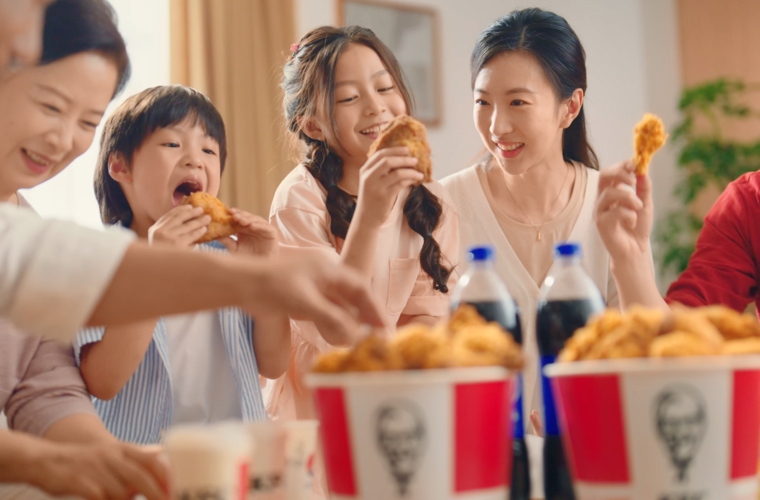
Yum China already operates over 19,000 restaurants across more than 2,700 cities in China under six brands, positioning it as the country's largest restaurant company by unit count. Pizza Hut holds the leading casual-dining brand position in the market, while KFC anchors the quick-service segment. The brand acquisition converts what had been an asset-light, royalty-bearing relationship — common across international franchise structures — into a vertically integrated model where brand economics stay entirely within the operator's P&L.
For the broader foodservice industry, the deal underscores a growing operator preference for brand ownership over perpetual royalty arrangements, particularly in high-volume, single-country markets where scale justifies the capital outlay. The transaction also reflects ongoing consolidation dynamics in China's restaurant sector, where operators with strong unit-growth pipelines and digital infrastructure hold a structural advantage over smaller competitors facing rising labor and real estate costs. Yum China's digitalized supply chain and loyalty platform, which spans its full brand portfolio, gives it a distribution and data edge that reinforces the unit-economics case for Pizza Hut expansion.
Management has not specified the long-term refinancing structure for the bridge loan, noting only that all options remain under consideration and will be evaluated against market conditions and shareholder interests. Analysts tracking the franchise and brand-ownership M&A segment will watch closely for whether Yum China pursues public debt, private placement, or equity-linked instruments as the 12-month bridge window approaches.
Written by Michael Politz, Author of Guide to Restaurant Success: The Proven Process for Starting Any Restaurant Business From Scratch to Success (ISBN: 978-1-119-66896-1), Founder of Food & Beverage Magazine, the leading online magazine and resource in the industry. Designer of the Bluetooth logo and recognized in Entrepreneur Magazine's "Top 40 Under 40" for founding American Wholesale Floral, Politz is also the Co-founder of the Proof Awards and the CPG Awards and a partner in numerous consumer brands across the food and beverage sector.