Carl Sobocinski didn't just preach employee empowerment at Table 301 Hospitality—he signed over the deeds. Since 2019, the Greenville, South Carolina-based restaurateur has transferred ownership of five restaurants to employees who started as dishwashers, line cooks, and general managers. That includes Jorge Baralles, who joined Table 301 as a dishwasher in 1997, became the sole owner of Papi's Tacos in 2019, and opened a second location last year.
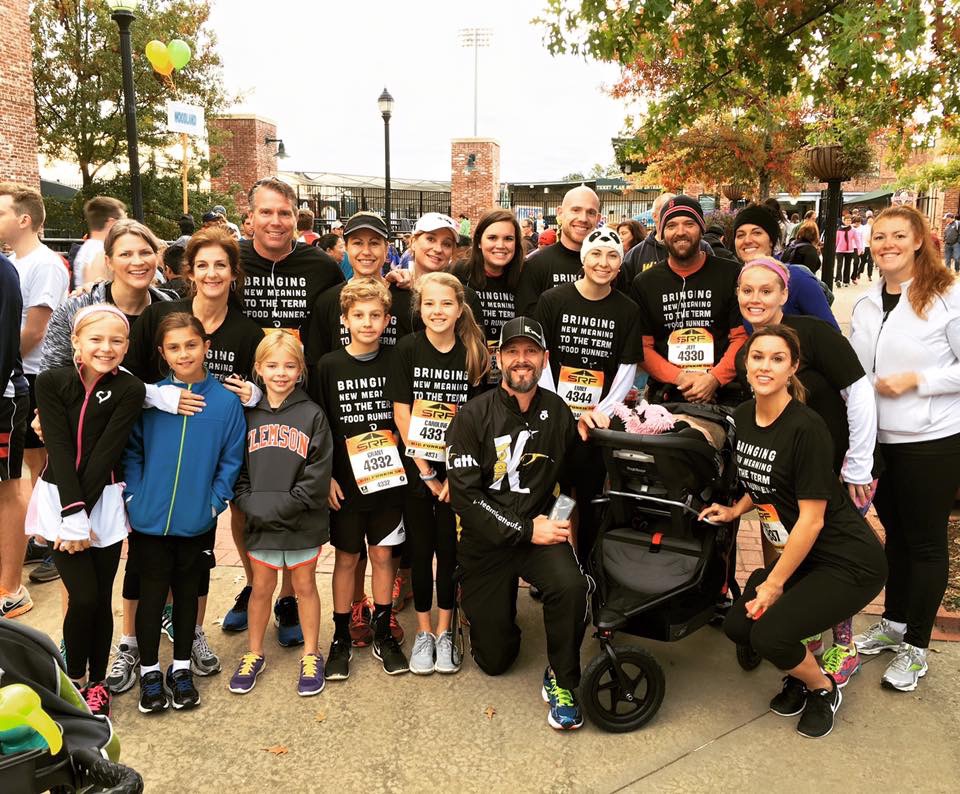
The playbook isn't complicated, but it requires actual commitment. Sobocinski, who runs six restaurants and a catering division with more than 550 employees, mandates eight hours of community service annually. Table 301 hosts Brunch for a Cause events where sales and tips go entirely to World Central Kitchen or the American Red Cross. Managers nominate weekly "Go Givers"—a Bob Burg concept—who go beyond their job description. Every year, each restaurant recognizes two employees in front of the entire company, from dishwashers to sommeliers.
He also pays chefs to leave. When a Table 301 cook earns a stage at a top kitchen, Sobocinski covers their salary while they're gone. One chef left for a one-month stage in California, stayed four years, and had his job waiting when he returned. Corporate staff, executive chefs, and GMs get a mandatory 30-day sabbatical every five years. Everyone gets access to mental health, legal, and financial counseling through an employee assistance program.
The legacy program formalized in 2017 is the endgame. Sobocinski gives employees a path to ownership, then backs them as they transition from operators to owners. He still buses tables at the flagship on Friday nights, works Thanksgiving and New Year's Eve, and holds monthly "Coffee with Carl" sessions where anyone can block time on his calendar to ask anything.
It's a model built for retention in a market where top talent has options. Whether it scales beyond Greenville remains to be seen, but Sobocinski has proven that treating employees like future owners eventually makes them actual owners—and that's a stronger succession plan than most hospitality groups will ever build.