Daesang Corporation, the Seoul-based fermentation and food-manufacturing giant, is accelerating its U.S. push under the Ofood global brand, deploying roughly 480 sauce SKUs across approximately 60 export markets as Korean cuisine moves from ethnic-specialty status to mainstream American menus.
The Growth Numbers
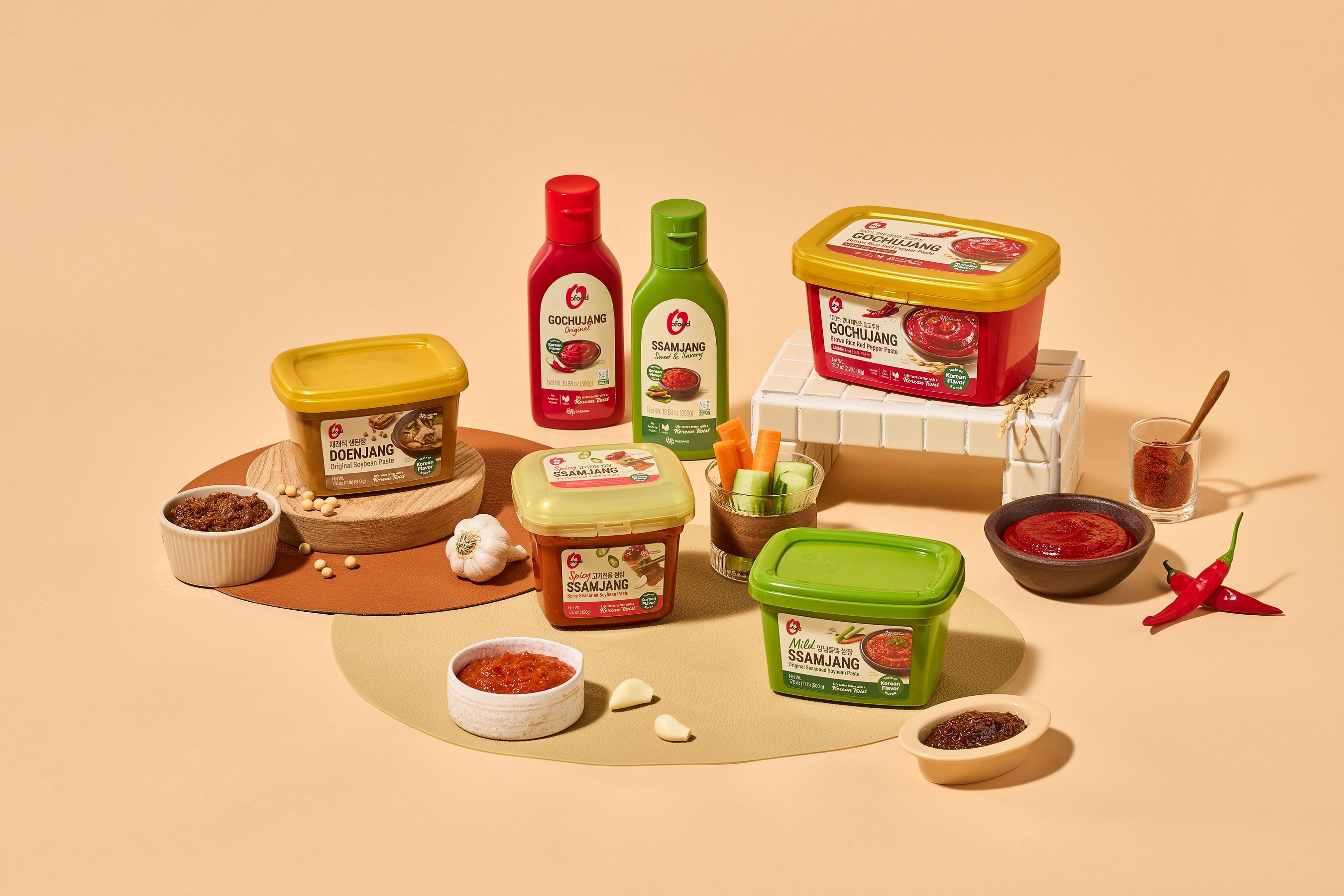
The headline performer is Ofood's Natural Gochujang, a tube-format table sauce engineered with a thinner viscosity and a softer fermented aroma than traditional block gochujang. The SKU ranked first among all Daesang sauce exports in 2025, with year-over-year sales growth of approximately 84%. The product is already on shelf at Walmart, giving Daesang a mainstream mass-market foothold that few Korean food imports have secured. For foodservice buyers, the tube format and drizzle consistency position it as a credible finishing sauce across tacos, grain bowls, salads, and shareables — dayparts where operators are actively hunting differentiated condiments that carry a credible culinary story.
Portfolio & Operator Relevance
Beyond the flagship, Ofood's U.S.-facing lineup spans Gochujang Tteokbokki Hot Sauce, All Purpose Korean BBQ Sauce, Chicken Dipping Sauce, and Mayo Gochujang. Each is deliberately repositioned for Western application: the tteokbokki sauce is marketed for pasta and gnocchi in addition to its traditional rice-cake base; the K-BBQ sauce doubles as a meat marinade, stir-fry sauce, and dipping sauce; and Mayo Gochujang is pitched to burger and fry programs. That LTO-friendly versatility is exactly the kind of ingredient story that fast-casual and QSR operators have leaned on as they look to rotate in globally influenced limited-time offers without retooling kitchen equipment or training staff extensively. The chicken dipping sauce, built around a gochujang base, speaks directly to the continued expansion of Korean-style fried chicken concepts, a segment that has added hundreds of units across the U.S. in the past three years.
Category Backdrop
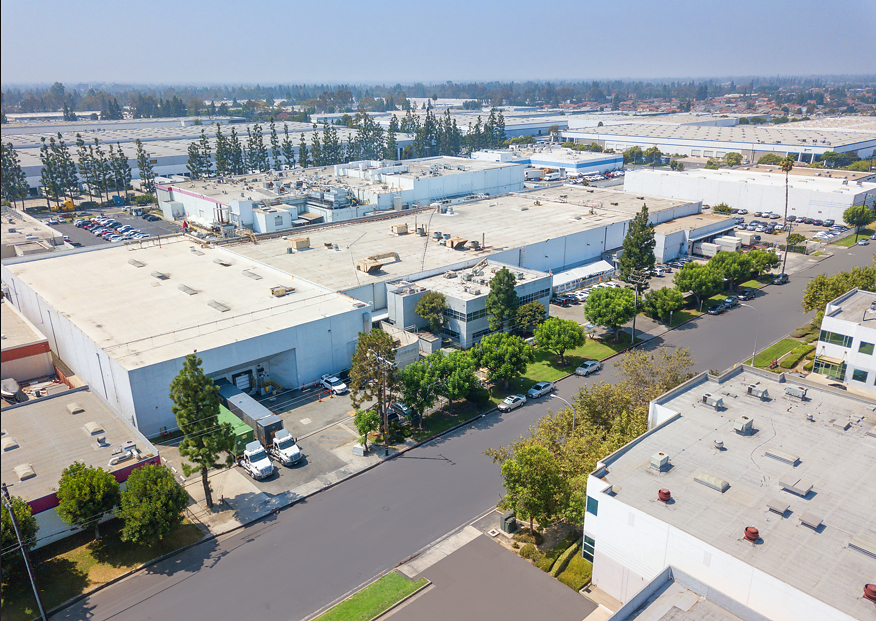
Daesang's timing aligns with measurable momentum in the Korean food category. Gochujang in particular has crossed from specialty import to a recognized flavor callout on chain menus — appearing on items at major fast-casual brands and in private-label grocery programs. The global hot sauce and condiment category has sustained above-average volume growth as operators seek differentiation through globally inspired flavors rather than heat level alone. Daesang, founded in 1956 and celebrating its 70th year, brings proprietary fermentation technology to the category that commodity co-manufacturers cannot easily replicate, a supply-chain credential that matters to procurement teams managing clean-label and authenticity requirements. The company operates manufacturing subsidiaries in the United States, Poland, China, Indonesia, and Vietnam, which reduces lead times and import complexity for North American buyers.
Eun-young Park, Head of Daesang's Food Business Unit, framed the strategy around everyday versatility: "We will continue to introduce Ofood products that preserve authentic Korean flavors while reflecting the tastes and food culture of each market, and expand our reach in mainstream markets in the United States and around the world."
For foodservice distributors and chain procurement teams, Ofood's near-term roadmap points to continued SKU development calibrated by regional consumer trends and broader distribution through mainstream retail and foodservice channels. Operators evaluating the Korean-flavor trend for upcoming menu development cycles or looking for differentiated center-of-plate sauces with an authentic fermentation backstory will find Daesang increasingly active in the U.S. trade channel. Sauce-category buyers seeking globally positioned condiment suppliers should expect more direct outreach as the company builds on its Walmart distribution win.
Written by Michael Politz, Author of Guide to Restaurant Success: The Proven Process for Starting Any Restaurant Business From Scratch to Success (ISBN: 978-1-119-66896-1), Founder of Food & Beverage Magazine, the leading online magazine and resource in the industry. Designer of the Bluetooth logo and recognized in Entrepreneur Magazine's "Top 40 Under 40" for founding American Wholesale Floral, Politz is also the Co-founder of the Proof Awards and the CPG Awards and a partner in numerous consumer brands across the food and beverage sector.