The Investment Case
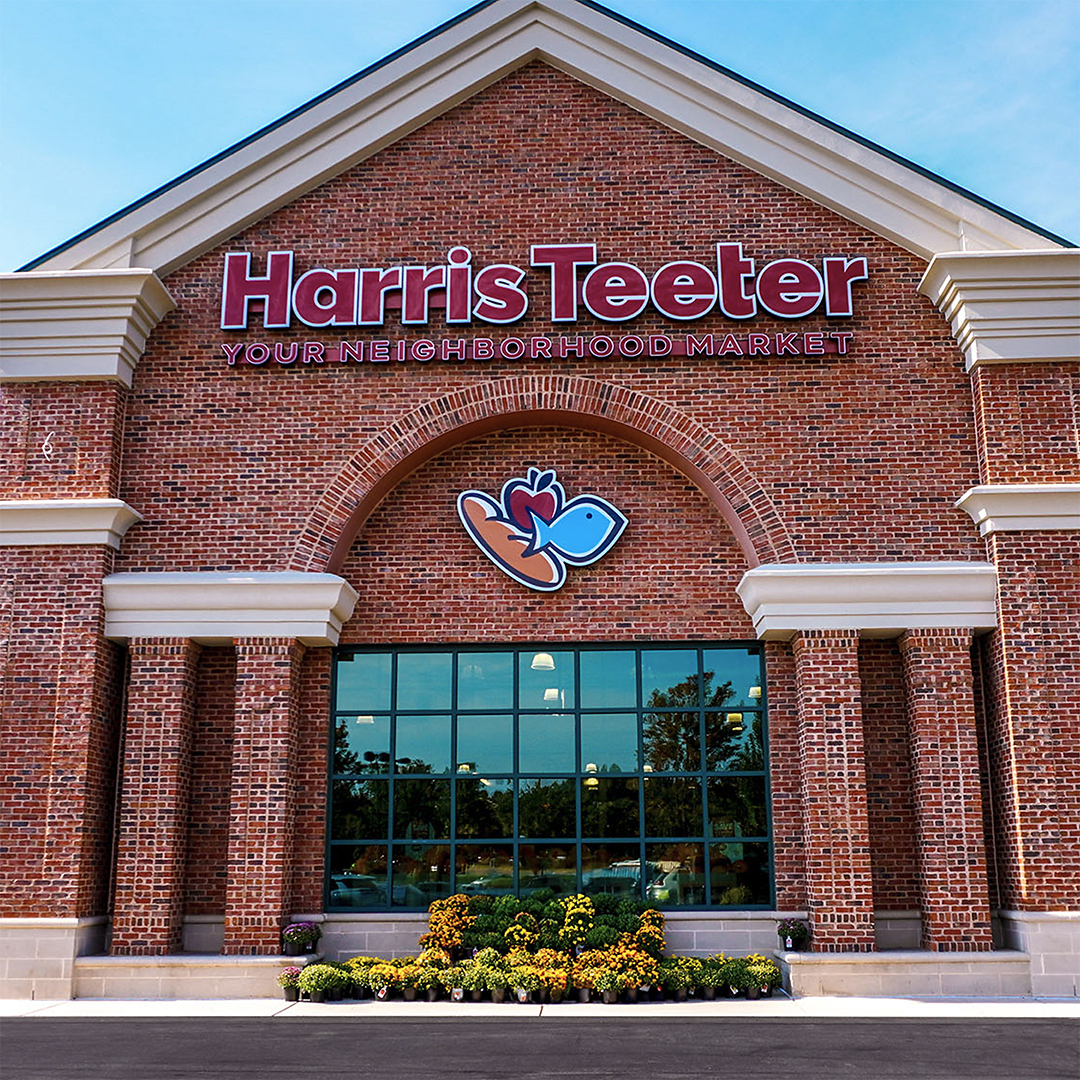
Harris Teeter is committing $253 million over the next three years to renovate and modernize a slate of stores across the Charlotte, N.C. metro area while breaking ground on three new locations — a capital deployment that underscores the Kroger (NYSE: KR) subsidiary's intent to defend market share in one of the Southeast's fastest-growing regional markets.
The three new stores will land in Fort Mill, S.C., Lake Wylie, S.C., and Kannapolis, N.C., extending Harris Teeter's footprint into suburban corridors that have absorbed significant residential growth in recent years. Renovations are planned for existing stores in Fort Mill, Rock Hill, Matthews, Waxhaw, Concord, and Huntersville, among other communities across the Carolinas.
What Operators Get
The refresh program is not a single-template rollout. Enhancements will vary by location and may include expanded fresh, bakery, and prepared-food departments — the highest-margin perimeter categories for conventional grocery — along with layout and fixture updates, exterior and parking-area improvements, faster pickup and delivery infrastructure, and updated décor and signage. The phased scope signals a capital-allocation strategy that prioritizes unit-level ROI over a uniform remodel standard, a model increasingly common among full-service grocery chains navigating divergent store vintages.
Fresh and prepared foods remain the sharpest competitive battleground between conventional grocers and foodservice operators targeting the at-home meal occasion. Harris Teeter's explicit call-out of prepared-food upgrades positions it squarely in that contest, where chains such as Whole Foods, Publix, and regional independents have invested heavily in hot bars, grab-and-go sets, and catering programs to capture restaurant-quality volume.
Market & Competitive Context
Harris Teeter operates more than 250 stores across eight states and Washington, D.C., with 36,000 associates on payroll. The Charlotte region represents the company's home market — co-founder W.T. Harris opened his first store there in 1936 — and has been the proving ground for its premium positioning since the Harris and Teeter banners merged in 1960.
The $253 million commitment arrives as the broader grocery sector faces persistent pressure from value-oriented formats and warehouse clubs on one end and convenience-driven foodservice on the other. For Kroger, which remains in an active strategic review of its portfolio following the lapse of its proposed Albertsons merger, visible banner-level investment in high-income suburban markets like Charlotte represents both an operational priority and a brand-equity signal to franchisees, associates, and consumers alike.
Customers in renovated stores will begin seeing changes roll out in phases this fall, with grand re-opening celebrations tied to Harris Teeter's "Taste of Teeter" experiential format — free sampling events designed to drive trial of upgraded departments. Specific re-opening timelines will be disclosed store by store as construction milestones are reached.
"For generations, Charlotte families have made us a part of their neighborhoods and this investment reflects our long-term commitment to the customers and communities we serve," said Tammy DeBoer, president of Harris Teeter. The company also cited more than $27.4 million contributed to Charlotte-area hunger relief over the past decade as evidence of sustained community investment alongside the capital program.
For operators tracking conventional-grocery capital cycles and their downstream effect on prepared-food and foodservice supplier demand, Harris Teeter's Charlotte build-out offers a useful benchmark. Coverage of related grocery-foodservice convergence trends and Southeast regional development continues across Foodservice News.
Written by Michael Politz, Author of Guide to Restaurant Success: The Proven Process for Starting Any Restaurant Business From Scratch to Success (ISBN: 978-1-119-66896-1), Founder of Food & Beverage Magazine, the leading online magazine and resource in the industry. Designer of the Bluetooth logo and recognized in Entrepreneur Magazine's "Top 40 Under 40" for founding American Wholesale Floral, Politz is also the Co-founder of the Proof Awards and the CPG Awards and a partner in numerous consumer brands across the food and beverage sector.