Texas-based Ribbonwire Ranch has crossed 5,900 retail doors nationwide, adding shelf space at Albertsons, Kroger, Super 1 Foods, Bashas', Gelson's, and Erewhon following the June debut of its 100% USDA Certified Organic Beef Stick — a velocity jump that underscores accelerating retail demand for domestically sourced, traceable protein snacks.
Distribution & Channel Mix
The expansion builds on an already sizable convenience-channel base anchored by more than 800 Sheetz locations, giving the brand a dual-channel presence that spans grocery, natural/specialty, and high-traffic c-store. That mix is increasingly valuable in the protein-snack segment, where operators and retail buyers are hunting for premium, on-trend items that perform across dayparts. The new grocery doors represent a meaningful broadening of Ribbonwire's addressable consumer base — from the convenience-store impulse buyer to the natural-channel household making deliberate better-for-you purchases.
"The response since June has exceeded our expectations," said Chad Schoonover, Ribbonwire Ranch co-founder and head of ranch operations. "Everyone is paying attention to where their beef comes from now. For Ribbonwire, that answer has always been clear. We raise our own cattle in Texas, grow our own organic feed and oversee the process from pasture to package."
Sourcing Transparency as a Trade Lever
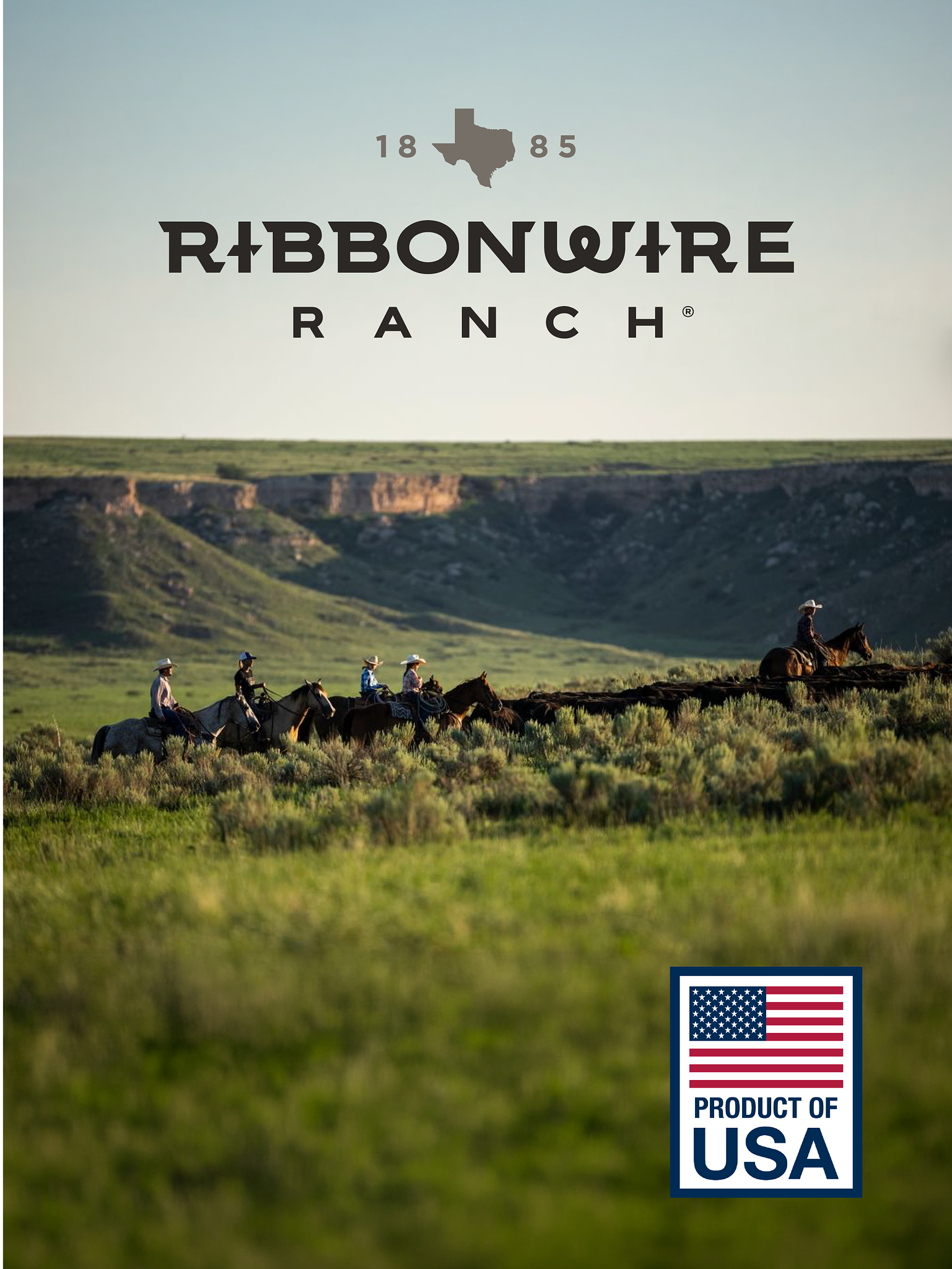
With beef import volumes drawing heightened regulatory and consumer scrutiny, Ribbonwire is positioning its fully domestic supply chain as a competitive differentiator. The brand will adopt the USDA's strengthened voluntary "Product of USA" label — reserved for meat from animals born, raised, slaughtered, and processed entirely in the United States — across packaging, its relaunched website, social media, online listings, and Amazon over the next six months. The label change is a direct response to country-of-origin transparency concerns that have moved from advocacy circles into mainstream grocery buying conversations.
Ribbonwire's vertically integrated model — it raises its own cattle, grows its own organic feed, and has operated under USDA organic standards since 2015 — gives it a full-traceability story that is difficult for commodity protein snack brands to replicate. That operational depth is increasingly what natural-channel retail buyers and foodservice procurement teams want to see documented on a spec sheet or a label.
To support the wider footprint, the company launched a redesigned website on September 15, incorporating a store locator and expanded brand storytelling around its 140-year ranching heritage on the historic XIT Ranch in the Texas Panhandle.
The protein-snack segment continues to attract both legacy meat brands and emerging rancher-owned entrants as consumers trade up within the snack category. Ribbonwire's organic certification and single-origin sourcing position it firmly in the premium tier, where retail price points and margin per linear foot tend to outperform conventional meat stick SKUs — a calculus that matters to both grocery category managers and convenience-channel operators evaluating foodservice-adjacent snack sets.
For foodservice distributors and non-commercial operators tracking clean-label protein trends, Ribbonwire's rapid retail velocity signals that demand for USDA organic, domestically raised beef snacks has moved well beyond niche. Buyers in healthcare, education, and corporate dining who have been fielding constituent requests for transparent sourcing now have a growing field of ranch-direct suppliers to evaluate.
Written by Michael Politz, Author of Guide to Restaurant Success: The Proven Process for Starting Any Restaurant Business From Scratch to Success (ISBN: 978-1-119-66896-1), Founder of Food & Beverage Magazine, the leading online magazine and resource in the industry. Designer of the Bluetooth logo and recognized in Entrepreneur Magazine's "Top 40 Under 40" for founding American Wholesale Floral, Politz is also the Co-founder of the Proof Awards and the CPG Awards and a partner in numerous consumer brands across the food and beverage sector.