The Program
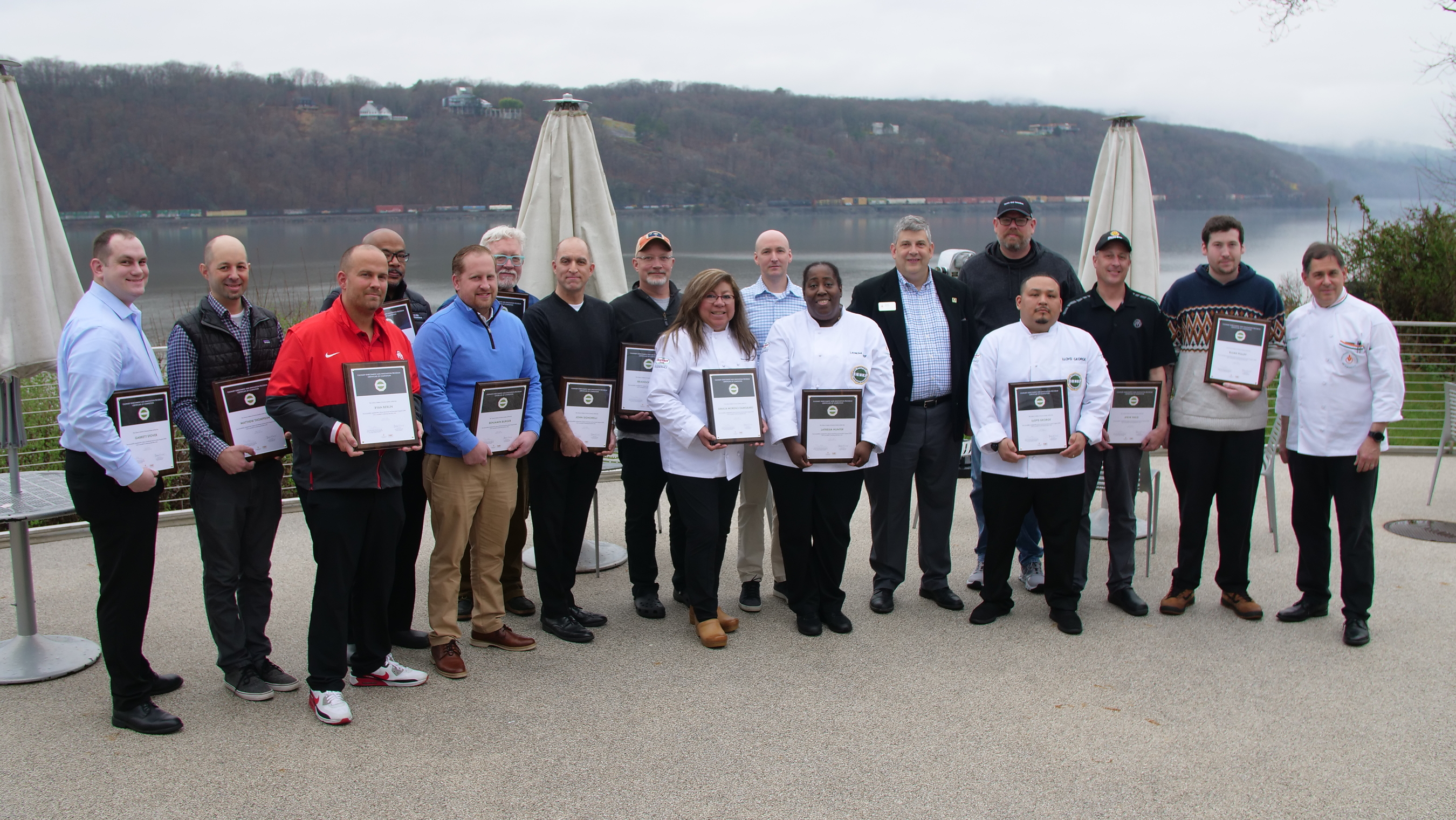
Hormel Foods Corporation (NYSE: HRL) and the Culinary Institute of America are accepting applications through Nov. 30 for the National Culinary Enrichment and Innovation Program (CEIP) class of 2028, the only advanced leadership curriculum designed exclusively for commercial and non-commercial foodservice chefs. Hormel's foodservice division underwrites all tuition and meal costs, with participants responsible only for travel, lodging, and personal expenses.
First launched in 2008, CEIP selects a cohort of 20 working chefs for three immersive modules held at CIA campuses: Module I in Napa Valley, California (April 5–8, 2027), Module II in San Antonio, Texas (October 2027), and Module III in Hyde Park, New York (April 2028). Participants who complete all three modules earn a CIA certificate of completion and continuing education units. The program carries no academic prerequisites — a culinary degree or institutional certification is not required — but applicants must hold more than 10 years of professional culinary experience and demonstrate proven leadership skills and a long-term commitment to the industry.
Why It Matters
For Hormel Foodservice, the program functions as both a brand-building platform and a strategic investment in the operator relationships that drive protein-category sales across the full foodservice spectrum — from multi-unit chain kitchens to noncommercial segments including healthcare, education, and business dining. Annemarie Vaupel, vice president of foodservice marketing at Hormel Foods, framed the investment around the accelerating complexity operators now face. "The future of foodservice depends on strong culinary leaders who can inspire teams, drive innovation and adapt to a rapidly evolving industry," Vaupel said. "Through CEIP, we're investing in experienced chefs who are committed to advancing their craft and elevating the profession."
The timing is notable. Foodservice operators across segments continue to navigate elevated labor costs and persistent back-of-house talent shortages, pressures that have renewed industry-wide focus on culinary upskilling and retention pipelines. Programs like CEIP — particularly those with no tuition barrier — address a real gap: post-entry-level professional development in commercial kitchens has historically been fragmented and underfunded relative to front-of-house training.
What's Next
CEIP's cohort structure also serves a networking function relevant to ingredient and protein suppliers across the foodservice channel. The 12-month arc brings together chefs from diverse operation types — chain, independent, noncommercial — creating a peer cohort that often carries brand relationships forward long after the program concludes. That dynamic makes fully funded programs like this a relatively efficient tool for foodservice-focused consumer packaged goods companies seeking to deepen trade relationships at the culinary decision-making level.
Chefs meeting the eligibility threshold can submit applications at ceipinfo.com before the Nov. 30 deadline. Those interested in broader workforce development trends shaping the foodservice segment should note that this program cycle marks the class of 2028, the program's twentieth year in operation.
Written by Michael Politz, Author of Guide to Restaurant Success: The Proven Process for Starting Any Restaurant Business From Scratch to Success (ISBN: 978-1-119-66896-1), Founder of Food & Beverage Magazine, the leading online magazine and resource in the industry. Designer of the Bluetooth logo and recognized in Entrepreneur Magazine's "Top 40 Under 40" for founding American Wholesale Floral, Politz is also the Co-founder of the Proof Awards and the CPG Awards and a partner in numerous consumer brands across the food and beverage sector.