Instacart (NASDAQ: CART) has acquired Arpalus, a computer vision startup specializing in shelf intelligence built specifically for grocery retail, the company announced July 16. The deal is designed to close one of online grocery's most stubborn operational gaps: the disconnect between what a retailer's inventory system believes is on shelf and what a shopper or picker actually finds.
The Core Problem
Undetected out-of-stocks and catalog gaps remain among the leading drivers of order substitutions, cancellations, and customer churn in e-commerce grocery fulfillment. When inventory data is stale or incomplete, fulfillment accuracy suffers — and so does repeat purchase behavior. Instacart, which processes orders across a broad network of North American grocery banners, has a structural incentive to solve this at scale: every substitution or cancellation degrades the consumer experience regardless of which retail partner owns the store.
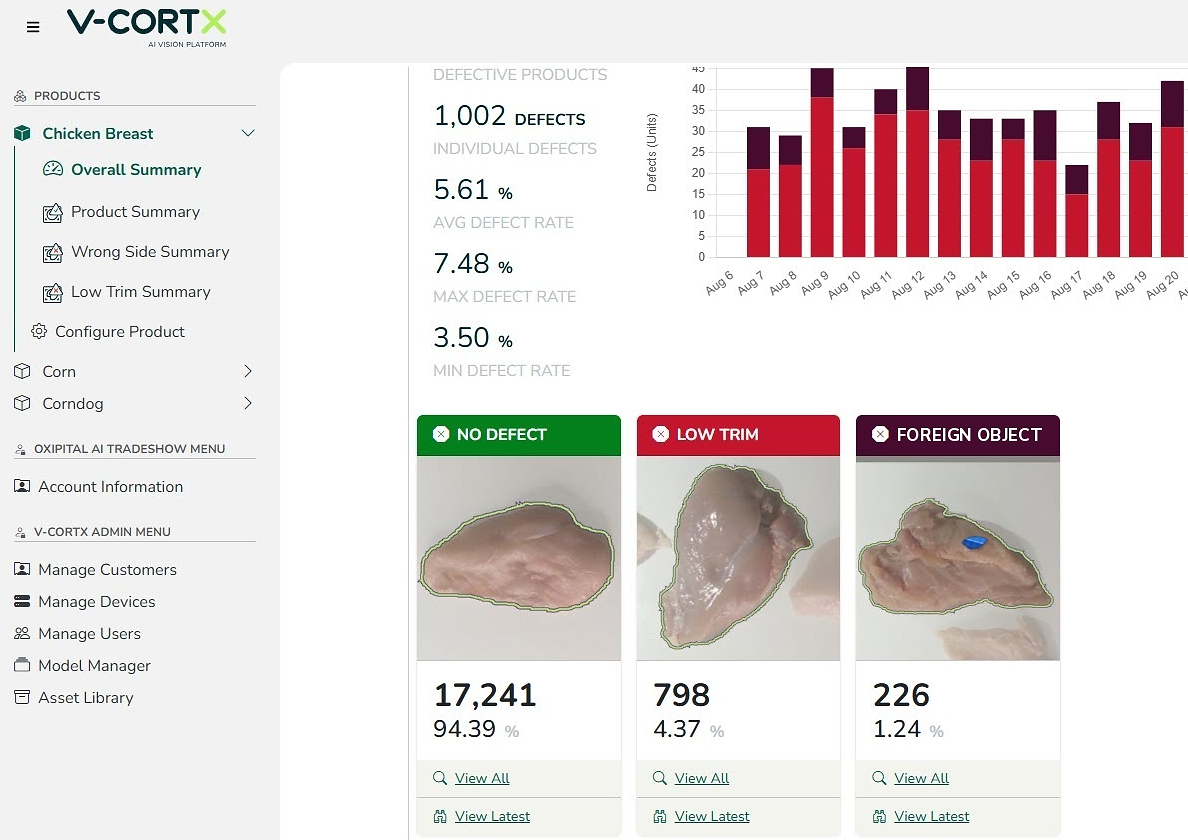
Arpalus addresses the problem through real-time computer vision — cameras and edge AI that scan physical shelves and reconcile what they see against catalog data, flagging voids, misplacements, and unlabeled SKUs before a picker reaches the aisle. That kind of physical-to-digital reconciliation is increasingly viewed in the grocery technology sector as a prerequisite for reliable same-day and rapid-delivery commerce, not a nice-to-have.
What Instacart Gets
For Instacart, the acquisition extends its AI stack deeper into the four walls of the store. The company has been building out what it describes as an enterprise platform for grocery retailers — encompassing fulfillment routing, digital advertising, and connected in-store hardware — and Arpalus's shelf-reading capability slots into that architecture as a foundational data layer. More accurate on-shelf inventory feeds cleaner signals to Instacart's AI-powered shopping tools, reduces the rate of picker-driven substitutions, and gives CPG brand partners sharper visibility into real-time product availability across the network.
The grocery technology segment has seen accelerating investment in computer vision and autonomous shelf-monitoring over the past several years, with players ranging from large-format retailers to specialty chains piloting image-based inventory systems. Instacart's move to acquire rather than build signals both urgency and a preference for purpose-built capability — Arpalus's technology was designed for grocery shelf conditions, not adapted from a broader retail or warehouse context.
No financial terms were disclosed. The deal adds to a pattern of capability acquisitions Instacart has pursued as it works to deepen its value proposition for retail operator partners beyond pure e-commerce fulfillment. For grocery operators weighing platform partnerships, tighter inventory intelligence at the shelf level represents a direct lever on both shopper satisfaction and shrink reduction — two unit-economics metrics that resonate well beyond the digital order flow.
Written by Michael Politz, Author of Guide to Restaurant Success: The Proven Process for Starting Any Restaurant Business From Scratch to Success (ISBN: 978-1-119-66896-1), Founder of Food & Beverage Magazine, the leading online magazine and resource in the industry. Designer of the Bluetooth logo and recognized in Entrepreneur Magazine's "Top 40 Under 40" for founding American Wholesale Floral, Politz is also the Co-founder of the Proof Awards and the CPG Awards and a partner in numerous consumer brands across the food and beverage sector.