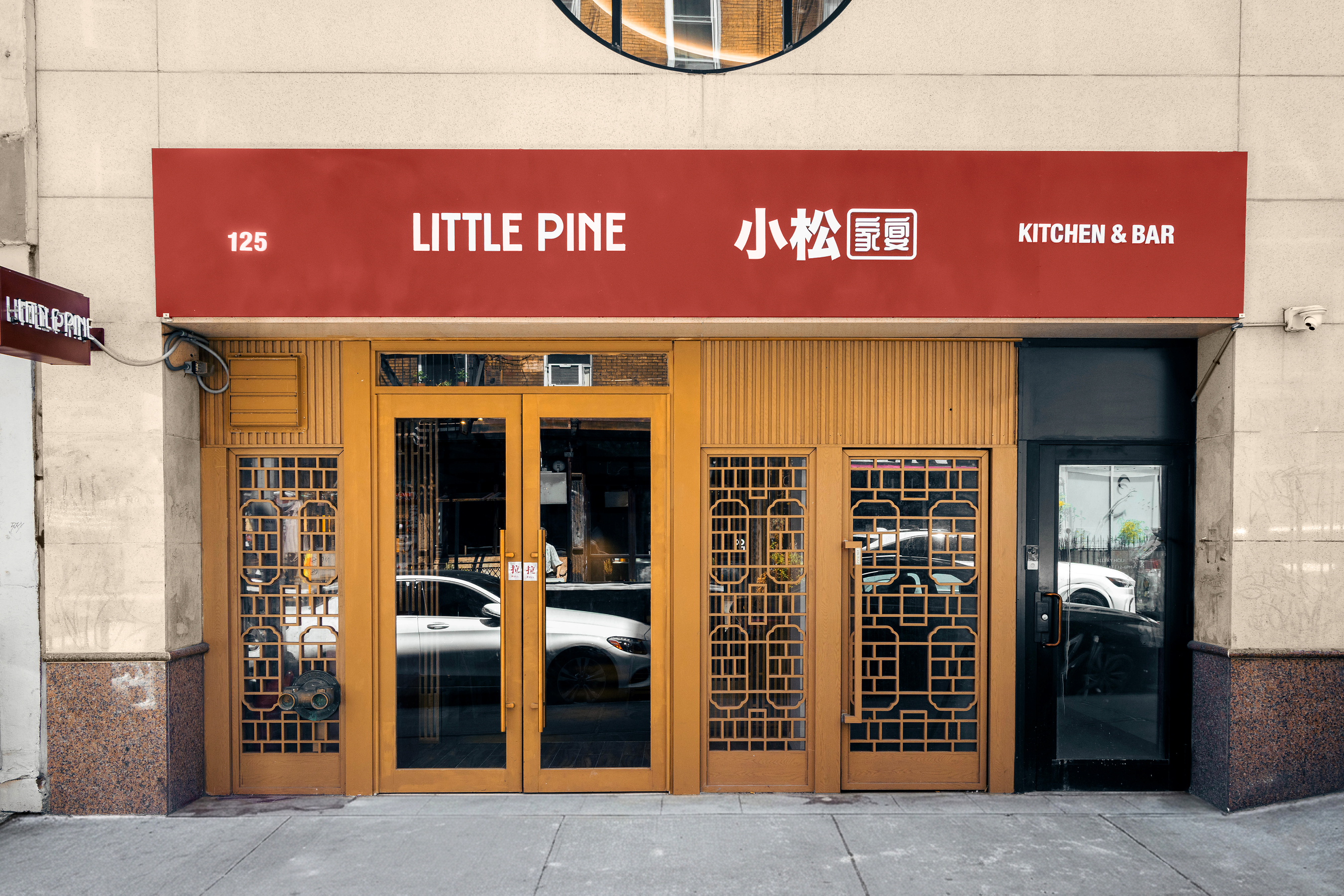
New York's Little Pine opened this spring in Manhattan's Lower East Side as the city's most prominent dedicated showcase for Dongbei cuisine — the hearty, fermentation-forward cooking tradition of Northeastern China that has long been overshadowed in the U.S. market by Cantonese, Sichuan, and Shanghainese styles. The 152-seat, two-bar operation at 125 Division Street is owned by Cathy Sun, who is positioning the concept around the communal table culture of China's so-called Rust Belt.
The Cuisine and the Concept
Dongbei food — built on iron-pot stews, braised meats, and fermented ingredients — reflects the blue-collar industrial heritage of a region that powered China's early-20th-century manufacturing economy before falling into decades of decline. That backstory is now a cultural asset: Dongbei has re-emerged in China as a trending source of music and pop culture, and Sun is translating that moment into a full-service restaurant format for New York diners. The menu leans into shareable formats built for high table turns and repeat visits: night market skewers (cumin-dusted lamb, "Red Willow" beef, enoki mushrooms), the one-pot Yi Guo Chu braised pork rib stew served with steamed buns, and Guo Bao Rou — a crispy pork dish finished with a traditional soy-and-vinegar glaze rather than the ketchup-based shortcut common in casual iterations. A bar program anchored by cocktails infused with northern Chinese spices, including cumin and hawthorn, rounds out the beverage offer.
Operator Economics and Positioning
With a 152-person capacity that includes a soundproofed interior designed to encourage extended dwell time, Little Pine is making a deliberate bet on high covers and volume-driven revenue rather than check-average maximization. Sun has kept lunch specials under $20, a pricing posture that signals a grab for frequency over occasion dining — relevant in a New York full-service market where independent operators continue to face acute labor and occupancy cost pressure. The format closely mirrors the lingering, round-ordered social dining model that has driven strong unit economics for Korean barbecue and hot pot concepts in major U.S. markets over the past decade. "We want people to come and to be regulars," Sun said — a daypart-agnostic, traffic-first positioning that contrasts with the premium tasting-menu approach some emerging ethnic-cuisine operators have used to establish credibility in competitive urban markets.
For foodservice operators tracking emerging cuisine trends and regional Chinese concepts, Little Pine's launch represents a test case worth monitoring. The independent concept has no franchise infrastructure or area development agreements in place, but the community-table format, approachable price architecture, and 152-seat footprint are all transferable to multi-unit scaling if the model proves out. As Chinese regional cuisine continues to diversify beyond the familiar Cantonese and Sichuan categories in major U.S. metros, Dongbei's hearty, shareable profile offers a logical next platform for operators seeking differentiation.
Written by Michael Politz, Author of Guide to Restaurant Success: The Proven Process for Starting Any Restaurant Business From Scratch to Success (ISBN: 978-1-119-66896-1), Founder of Food & Beverage Magazine, the leading online magazine and resource in the industry. Designer of the Bluetooth logo and recognized in Entrepreneur Magazine's "Top 40 Under 40" for founding American Wholesale Floral, Politz is also the Co-founder of the Proof Awards and the CPG Awards and a partner in numerous consumer brands across the food and beverage sector.