The New SKU
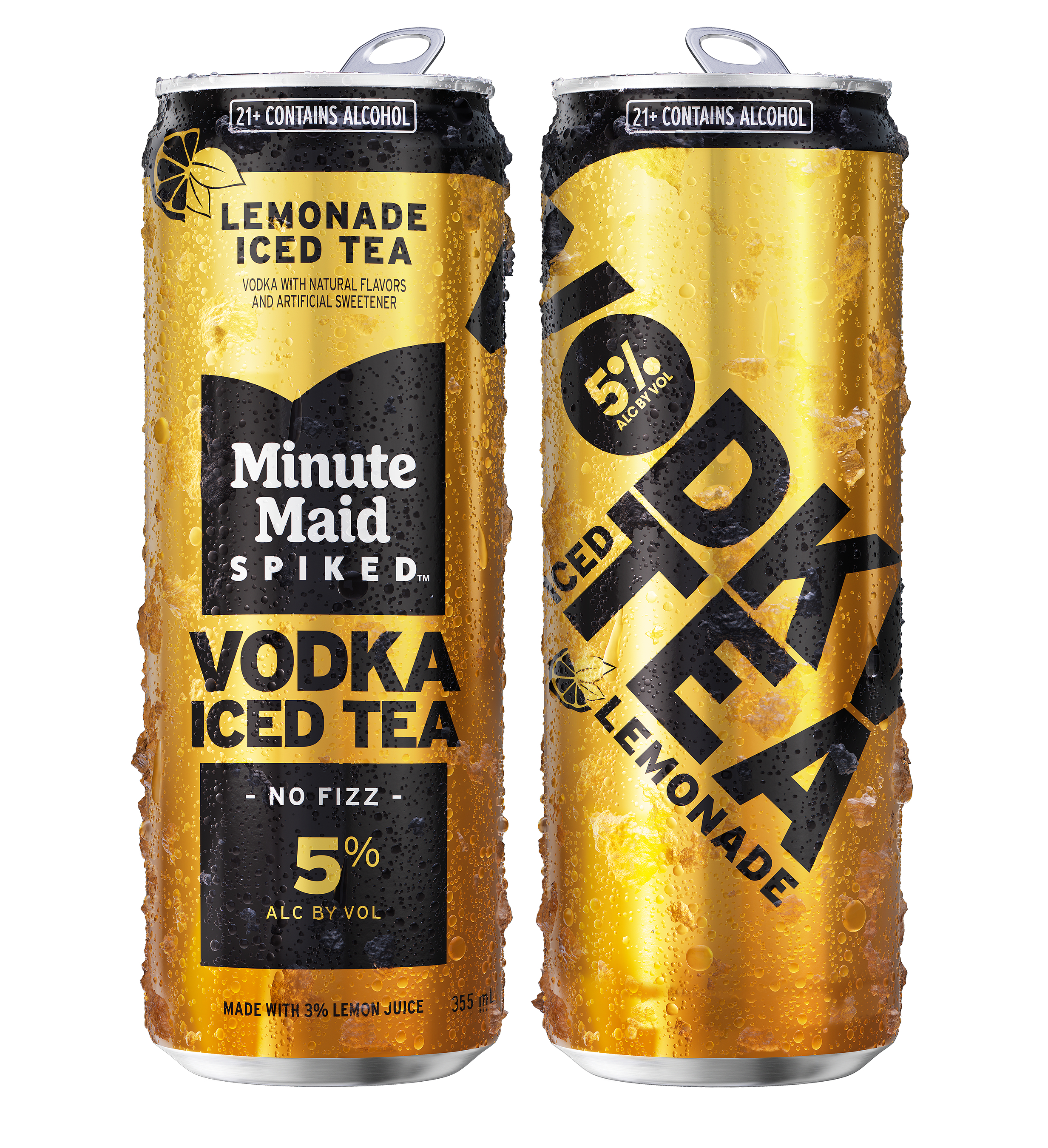
Minute Maid Spiked, the alcohol-ready-to-drink label managed by Red Tree Beverages — a firewalled Coca-Cola subsidiary — is rolling out Vodka Lemonade Iced Tea nationwide this summer, adding a no-fizz, tea-forward format to a vodka lemonade sub-portfolio that already spans Classic and Pink variants.
The liquid is built on real vodka and 3% lemon juice, clocking in at 5% ABV. Retail price points are set at $16.99 for an 8-pack of 12 oz. cans and $3.49 for a 16 oz. single — positioning the item squarely in the accessible, impulse-friendly tier that has driven ARTD volume at convenience and grocery accounts over the past two years.
Portfolio Context
Lou Grill, President of Red Tree Beverages, framed the addition as a logical extension rather than a strategic pivot. "Adding a Vodka Lemonade Iced Tea to the lineup made sense," Grill said, citing the format's familiarity and broad appeal. The move rounds out a vodka-based ARTD bench that also includes Vodka Punch in Classic, Tropical, Berry, and Citrus expressions, alongside a wine-based cocktail tier — Lime Margarita, Strawberry Daiquiri, Piña Colada, and Blue Hawaiian — available in 1.5L glass, 750ml PET, and 200ml mini-can formats.
For on-premise and foodservice operators sourcing ready-to-drink alcohol for grab-and-go programming, the single-serve 16 oz. can is the most relevant unit. The no-fizz profile and tea base differentiate it from the carbonated hard-lemonade and seltzer formats that have dominated back-bar RTD coolers, giving buyers a quieter alternative for pool-deck, stadium, and catering dayparts where carbonation fatigue is a real consideration.
Segment Tailwinds
The ARTD category has been one of the few consistent bright spots in beverage alcohol since 2022, with spirits-based RTDs outpacing beer-based equivalents as consumers trade up on perceived quality. Coca-Cola's decision to establish Red Tree Beverages as a dedicated, firewalled entity reflects a broader read among global beverage conglomerates that licensed trademark arrangements — rather than direct alcohol production — offer the most capital-efficient path into the segment. That asset-light structure lets Red Tree scale distribution through independent wholesalers without the regulatory overhead of a full alcohol manufacturer.
For foodservice buyers, the Minute Maid brand equity is a meaningful on-shelf signal: it carries household recognition that private-label or startup ARTD brands cannot replicate at the point of purchase. As operators evaluate which RTD SKUs earn cooler space in concession stands, hotel minibars, and resort retail, licensed heritage brands with broad distribution networks hold a structural advantage over purely digital-native entrants. Coverage of broader beverage alcohol trends and retail foodservice channel dynamics continues across Foodservice News.
Written by Michael Politz, Author of Guide to Restaurant Success: The Proven Process for Starting Any Restaurant Business From Scratch to Success (ISBN: 978-1-119-66896-1), Founder of Food & Beverage Magazine, the leading online magazine and resource in the industry. Designer of the Bluetooth logo and recognized in Entrepreneur Magazine's "Top 40 Under 40" for founding American Wholesale Floral, Politz is also the Co-founder of the Proof Awards and the CPG Awards and a partner in numerous consumer brands across the food and beverage sector.