Roy Choi's Best Friend — the Korean barbecue-inspired concept that became one of Las Vegas' most decorated dining destinations — will open its second permanent U.S. location at OCVIBE, the $5 billion mixed-use district under construction around Honda Center in Anaheim, with an anticipated Fall 2027 debut.
The Concept and Context
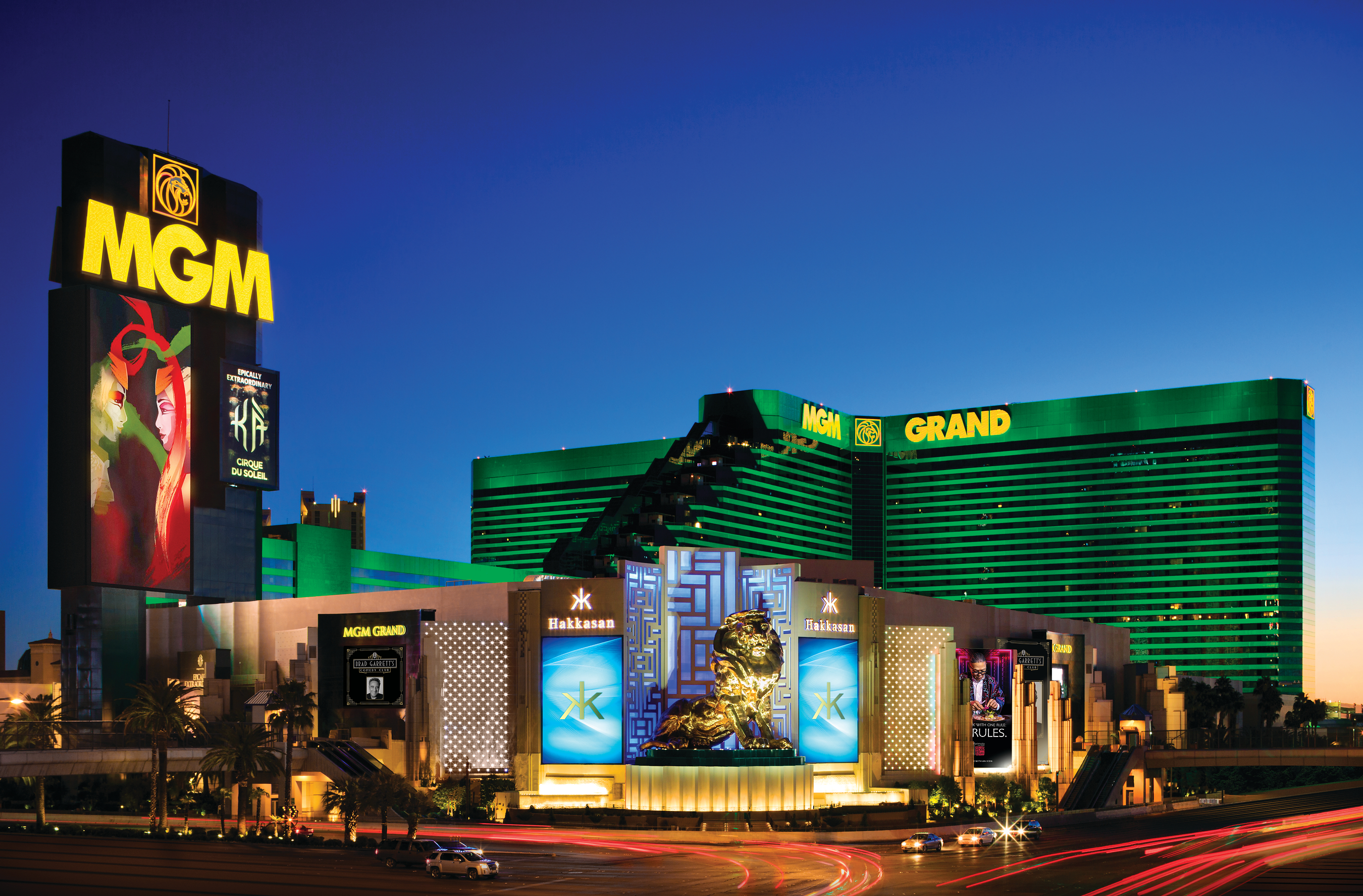
Best Friend launched at Park MGM Las Vegas, where it earned a following for its energetic atmosphere, immersive design, and a menu rooted in Korean American culinary culture. The Anaheim opening will mark only the second brick-and-mortar location in the concept's history, a deliberate two-unit footprint that underscores the chef-driven, experiential positioning OCVIBE is pursuing rather than a scaled franchise rollout. Choi, a James Beard Award winner who first reshaped the foodservice landscape through Kogi BBQ — widely credited with helping ignite the modern food truck movement — spent part of his childhood in Anaheim, where his family operated a Korean restaurant.
For operators and developers watching the entertainment-district dining segment, the signing signals how large-scale mixed-use projects are competing for marquee culinary talent as a guest-acquisition strategy. Anchoring a district with a nationally recognized independent chef concept rather than a chain brand differentiates OCVIBE from arena-adjacent food courts and positions it closer to high-profile culinary districts like the Battery Atlanta or Texas Live.
The Broader F&B Program
Best Friend is the first named entry in OCVIBE's curated chef-driven restaurant collection, with additional operators expected to be announced in coming months. The signature restaurants will sit alongside Katella Commons, a 50,000-square-foot chef-driven market hall slated to open in early 2027 — giving the district more than 35 food and beverage experiences across formats when fully built out. That density of F&B concepts is designed to serve a layered daypart mix: pre-game traffic from Ducks games at Honda Center, concert crowds from planned live music venues, and everyday visits from the 2,000-plus residences planned within the district itself.
Anthony Olheiser, Senior Vice President of Hospitality at OCVIBE, framed the curatorial approach as additive rather than competitive: each concept is chosen not only on its own merit, he noted, but for how it enhances the overall collection. That portfolio-building logic mirrors what major casino operators have long deployed on the Las Vegas Strip — a strategy the broader entertainment-district sector is now replicating in suburban markets.
What Operators Should Watch
The OCVIBE location will not be a direct replica of the Las Vegas flagship. The Anaheim unit is being developed with Orange County-specific design elements, locally inspired menu features, and community partnerships intended to reflect the region's cultural diversity — a localization playbook increasingly common among chef-driven independent concepts expanding into new markets. For foodservice developers and area development agreement holders evaluating entertainment-adjacent real estate, OCVIBE's approach — locking in culinary anchors two-plus years ahead of opening — illustrates how competition for premium chef talent is shifting lease negotiations and project timelines industrywide.
The full OCVIBE district is projected to reach completion in 2033, encompassing three entertainment venues, three miles of connected trails, 20 acres of open space, office space, and hotels. With a privately funded commitment from the Samueli Family backing the development, the project represents one of the largest single private investments in Southern California history — and its food and beverage programming strategy will be closely watched as a template for how entertainment districts monetize culinary curation at scale.
Written by Michael Politz, Author of Guide to Restaurant Success: The Proven Process for Starting Any Restaurant Business From Scratch to Success (ISBN: 978-1-119-66896-1), Founder of Food & Beverage Magazine, the leading online magazine and resource in the industry. Designer of the Bluetooth logo and recognized in Entrepreneur Magazine's "Top 40 Under 40" for founding American Wholesale Floral, Politz is also the Co-founder of the Proof Awards and the CPG Awards and a partner in numerous consumer brands across the food and beverage sector.