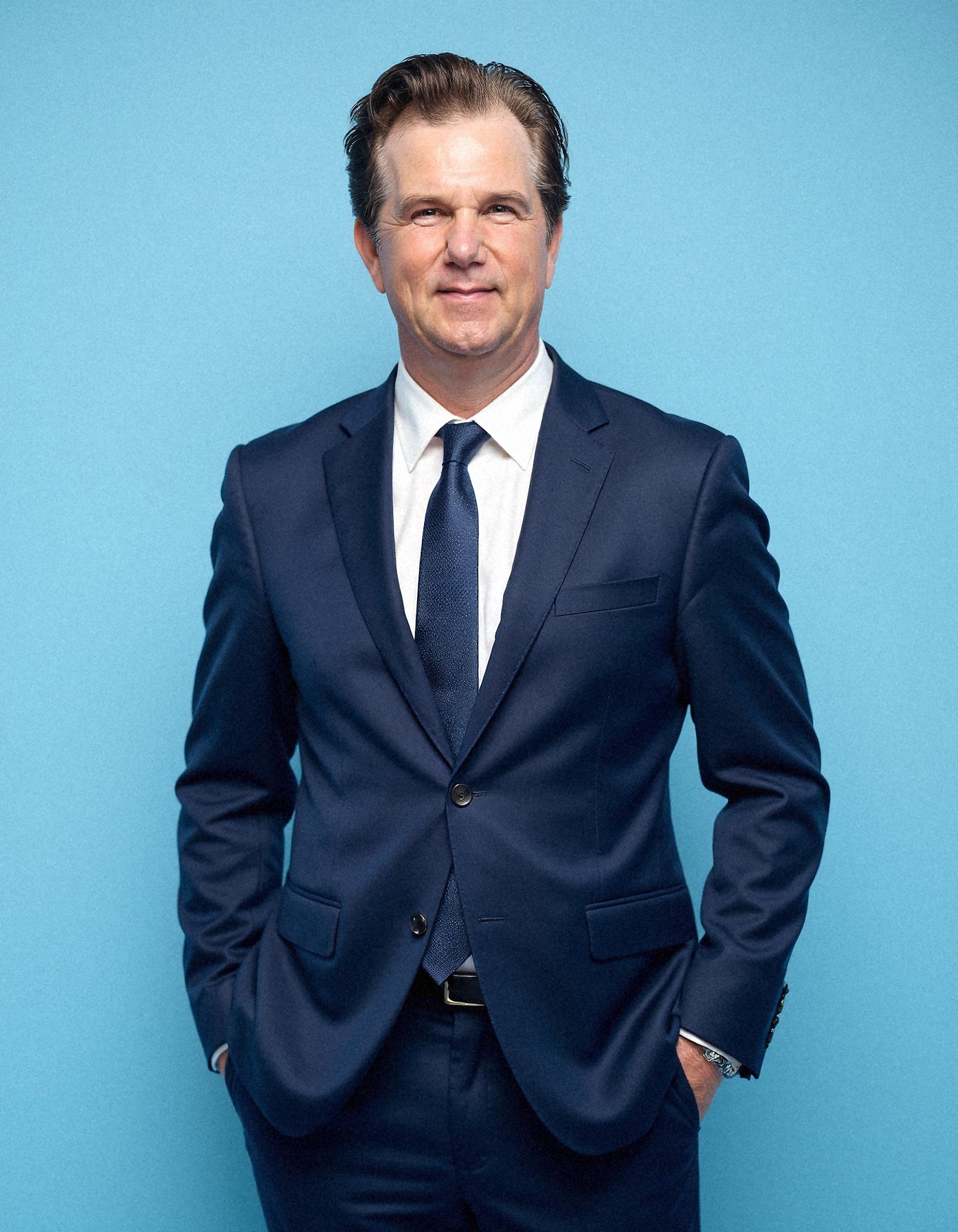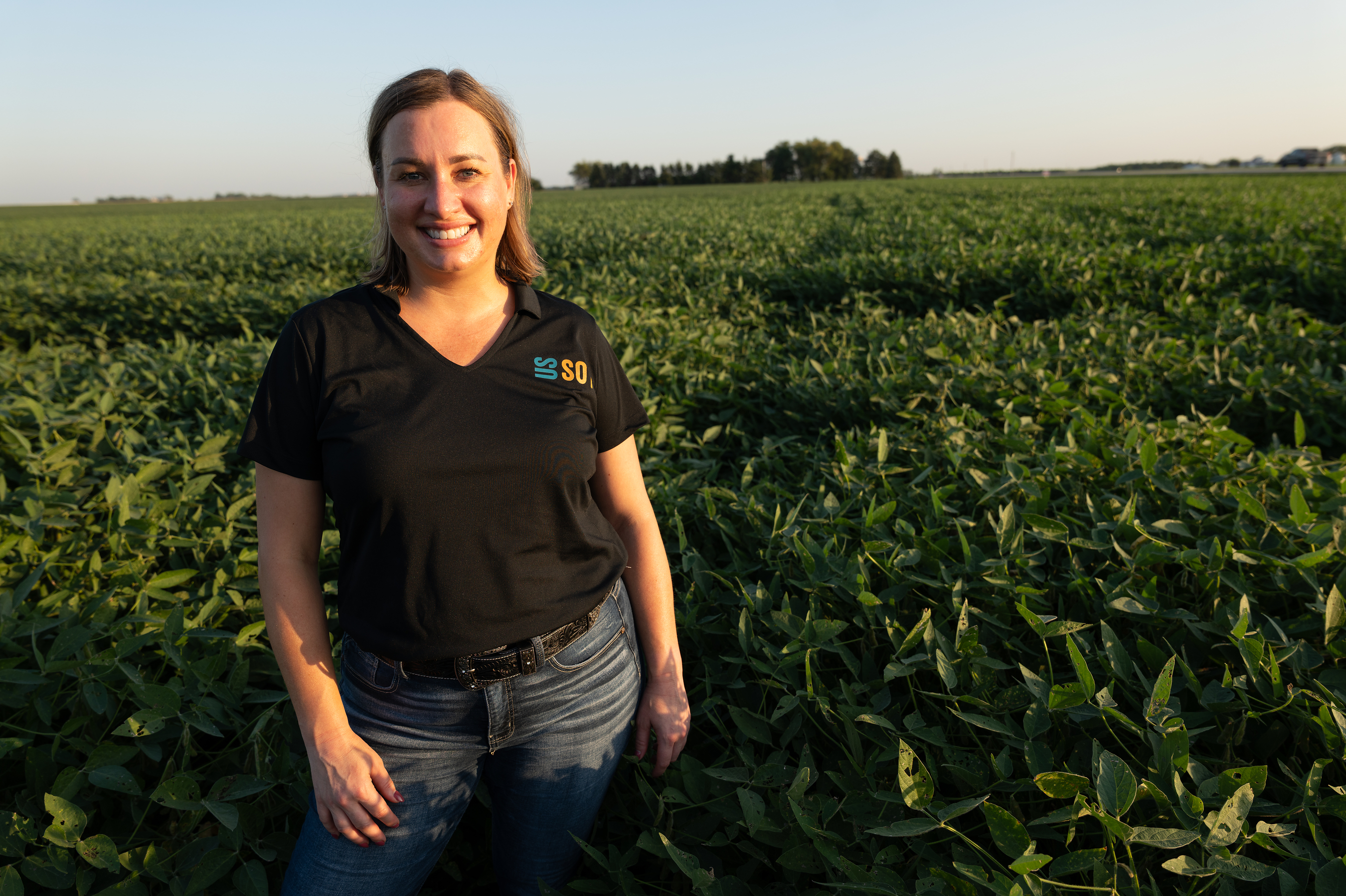
Courtney Knupp officially assumed the chief executive role at the United Soybean Board (USB) on October 1, stepping into the top position of the national Soy Checkoff with a mandate to expand demand for U.S. soybeans across feed, food oil, and biofuels. Her appointment, ratified by USB's board of farmer-leaders in July, adds a rare national-security-policy lens to an organization that sits at the upstream end of foodservice's most pervasive ingredient supply chain.
Her Background
Knupp brings nearly two decades of experience spanning agriculture, international trade, public policy, and market development. She most recently served as director of global supply chain at the National Security Council, where she coordinated federal policy to strengthen the resilience of U.S. agriculture and food sectors — a portfolio that included the protein, oilseed, and food-manufacturing supply chains that underpin commercial foodservice at scale. Earlier stops include the National Pork Board, the U.S. Soybean Export Council, and the U.S. Department of Agriculture. She grew up on a soybean farm in Iowa and holds a degree in agricultural business and international agriculture from Iowa State University.
"Taking this job is really the culmination of bringing all my experience together to work most effectively for farmers," Knupp said. "That's truly the mission."
What It Means for Foodservice
Soybean oil is the dominant frying and finishing fat in U.S. commercial kitchens, and soy-based protein ingredients appear throughout quick-service and fast-casual menus — from burger extenders to plant-forward LTOs. USB's demand-diversification agenda directly affects the cost and availability of those inputs. Knupp has signaled she intends to grow existing markets while placing, in her words, "calculated bets" on where future demand will emerge — language that aligns with industry conversations around sustainable aviation fuel, renewable diesel, and next-generation alternative proteins that compete for the same crush capacity foodservice buyers depend on.
For chain operators and their procurement teams, the leadership transition carries practical weight. USB's checkoff-funded research and promotion activity shapes both the ingredient pipeline and the sustainability narrative that restaurant brands increasingly attach to soy-sourced oils and proteins. A CEO with a federal supply-chain coordination background could accelerate USB's engagement with large foodservice purchasing cooperatives and further integrate U.S. Soy positioning into operator sustainability reporting frameworks.
USB chair Brent Gatton framed the hire in terms of momentum: "Courtney's energy and vision give us every reason to be optimistic about what's ahead, not just for USB, but for the future of U.S. Soy." In her first months, Knupp plans to meet with farmer-leaders and staff at the 30-plus Qualified State Soybean Boards to align regional priorities with the national checkoff strategy.
The appointment lands at a moment when oilseed and protein ingredient markets remain under pressure from biofuel policy shifts and export competition — dynamics that commodity-adjacent foodservice suppliers are tracking closely. Operators managing fryer-oil costs and plant-protein sourcing will want to follow USB's strategic direction under Knupp's leadership as the organization works to stabilize and expand the domestic demand base for soy across the food and beverage supply chain.
Written by Michael Politz, Author of Guide to Restaurant Success: The Proven Process for Starting Any Restaurant Business From Scratch to Success (ISBN: 978-1-119-66896-1), Founder of Food & Beverage Magazine, the leading online magazine and resource in the industry. Designer of the Bluetooth logo and recognized in Entrepreneur Magazine's "Top 40 Under 40" for founding American Wholesale Floral, Politz is also the Co-founder of the Proof Awards and the CPG Awards and a partner in numerous consumer brands across the food and beverage sector.