The Overhaul
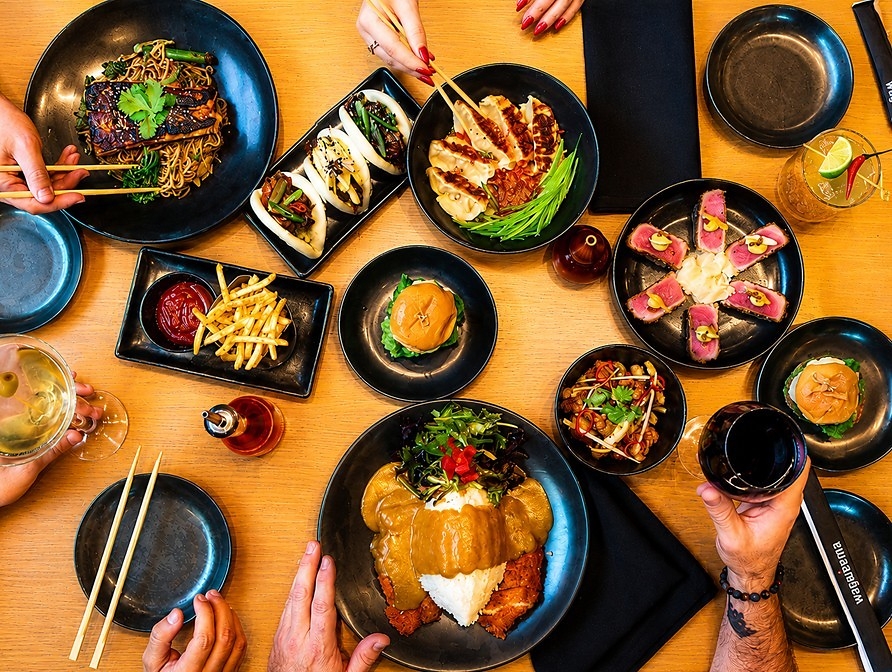
wagamama USA is executing its most aggressive U.S. menu reset since the British pan-Asian chain first entered the American market, dropping 26 new dishes and 15 Asian-inspired beverages across participating domestic locations as of September 8. The launch is the centerpiece of a broader repositioning that includes new leadership, a relocated U.S. headquarters in Tampa, and a remodeled flagship unit in that market.
The menu additions span multiple new categories — Bao Bun Tacos, branded Wagyumama® Sliders, build-your-own ramen and salads, and an expanded dessert lineup — alongside new ramen variants (Tonkotsu and Shiitake Miso) and poke bowl entrées. The moves are squarely aimed at expanding daypart coverage: the revamped offering is designed to drive traffic from lunch through late-night cocktails, a daypart mix that casual-dining operators have increasingly targeted as dinner traffic remains under pressure across the segment.
Beverage as a Traffic Driver
The new beverage program — 15 drinks total — introduces two proprietary cocktail platforms: Wagaritas® (Thai Chili, Sweet Heat, Tropical Drama, Soft Chaos) and Wagatinis® (Ube Espresso Martini, Lychee Martini). Handcrafted cocktails, a non-alcoholic mocktail tier, freshly made iced teas, La Colombe hot coffee, and a Tea Forte selection round out the bar offer. For casual-dining operators, a differentiated beverage program carries meaningful unit-economics upside: alcohol typically runs 60–70% gross margin versus 60–65% for food, and proprietary named platforms support menu pricing power and brand recall.
Stephen Judge, CEO of wagamama USA, framed the launch as a response to direct guest research. "We've expanded opportunities to customize, created exciting new flavor experiences and introduced a new beverage program that's as bold and unexpected as our food," Judge said. "It's a new era for wagamama in the U.S."
Competitive & Segment Context
wagamama's pivot lands at a moment when the pan-Asian and broader fast-casual/casual-dining segment is navigating a crowded competitive set. Chains including P.F. Chang's, Pei Wei, and emerging fast-casual ramen concepts are all pressing on flavor differentiation and off-premise capability. wagamama's emphasis on communal, in-unit experience — refreshed interiors, a dedicated bar, flexible private dining — positions it distinctly against asset-light fast-casual rivals, betting that full-service casual dining can win on experience when the menu is compelling enough to justify the ticket.
Customization mechanics — build-your-own ramen and salads — also align with one of the dominant menu-engineering trends across the casual-dining and fast-casual segments, where operators have found that personalization drives both satisfaction scores and check averages. The strategy mirrors moves by chains like Sweetgreen and Dig that have built loyalty on ingredient-level control.
With a new U.S. HQ infrastructure in Tampa and a remodeled prototype unit in the same market, wagamama appears to be setting a foundation for measured unit growth in the American market, though the company has not disclosed domestic unit count targets or AUV figures publicly at this time.
Written by Michael Politz, Author of Guide to Restaurant Success: The Proven Process for Starting Any Restaurant Business From Scratch to Success (ISBN: 978-1-119-66896-1), Founder of Food & Beverage Magazine, the leading online magazine and resource in the industry. Designer of the Bluetooth logo and recognized in Entrepreneur Magazine's "Top 40 Under 40" for founding American Wholesale Floral, Politz is also the Co-founder of the Proof Awards and the CPG Awards and a partner in numerous consumer brands across the food and beverage sector.