The Campaign Mechanics
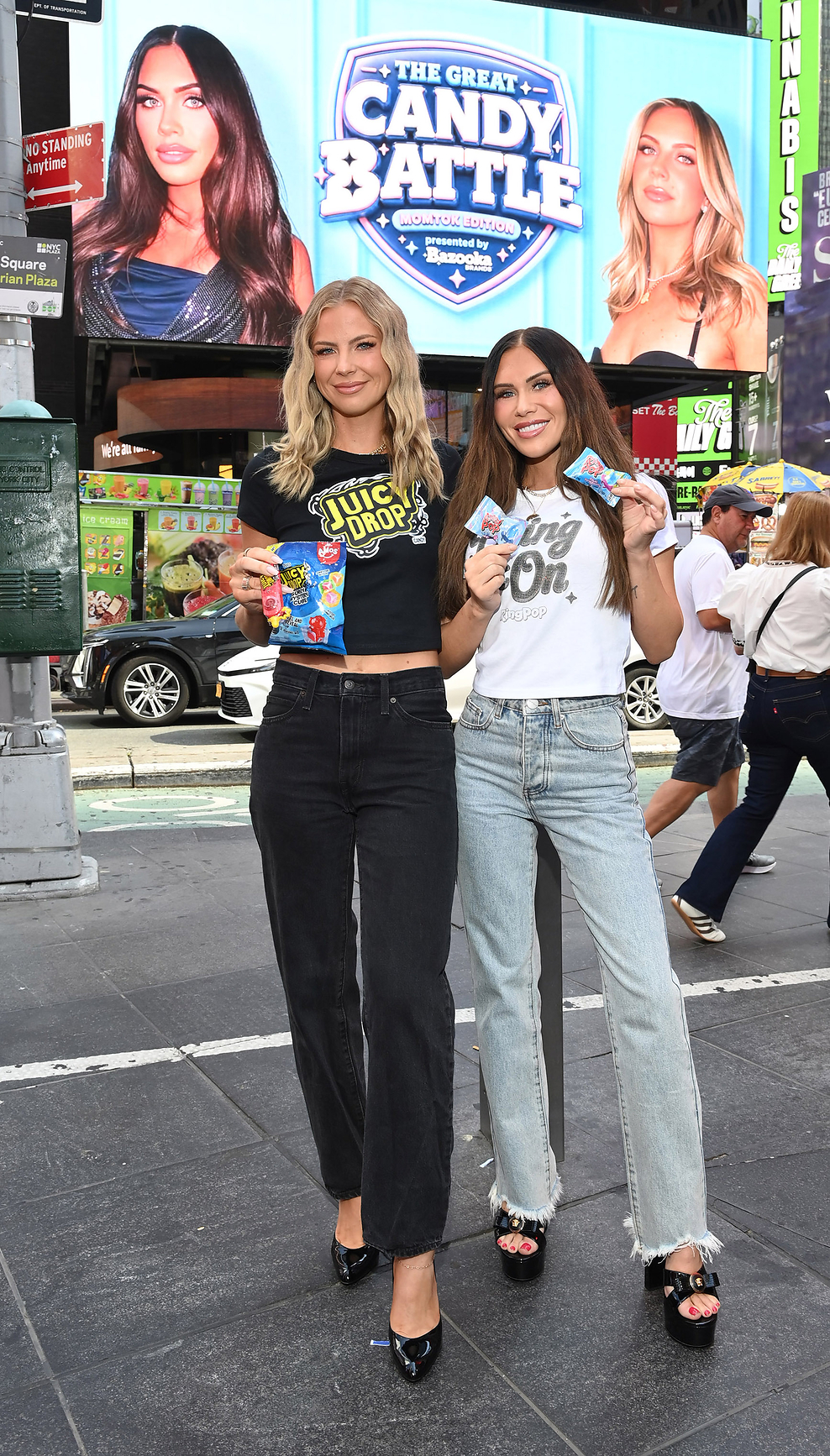
Bazooka Brands, the candy maker behind Ring Pop, Push Pop, Juicy Drop, and Baby Bottle Pop, is leaning hard into creator commerce this August with a competition-format marketing program it calls The Great Candy Battle: MomTok Edition. The month-long initiative pits two social creators — Jessi Draper, repping Team Ring Pop and Push Pop, against Mayci Neeley, fronting Team Juicy Drop and Baby Bottle Pop — in a live sales-lift contest designed to move product at retail while generating a continuous stream of social content.
The mechanics are straightforward: whichever team records the larger sales lift by month's end earns a charitable donation in their creator's name. Bazooka Brands has structured the contest so both organizations receive funding regardless of outcome — a detail that keeps the rivalry theatrical without creating a zero-sum outcome for the participants. Dave Dreyer, Chief Marketing Officer of Bazooka Brands, framed the program as proof that "authentic, creator-fueled competition travels further than any traditional ad campaign."
Retail and Experiential Footprint
The campaign launched in New York City with three simultaneous activations: a Times Square sampling event beneath branded out-of-home placements, a subway stunt featuring Push Pop's mascot Pushy conducting passenger interviews, and a nightlife-themed Baby Bottle Pop pop-up in Union Square Park. Those activations feed a rolling content series distributed across the brands' Instagram handles throughout August.
The program then moves inland. Both creators are scheduled to campaign in select retail stores in Salt Lake City before Bazooka Brands hosts a consumer-facing pop-up event with candy sampling, branded merchandise, and entertainment. That retail-door presence is the clearest signal that the campaign is designed to influence in-store sell-through, not just social impressions — a distinction that matters to category buyers evaluating trade support.
What It Signals for CPG Marketing
The program reflects a broader shift in how candy and impulse-purchase CPG brands are allocating marketing spend. Rather than traditional broadcast or shopper-marketing vehicles, Bazooka Brands is structuring the creator relationship around measurable sales outcomes — a model that gives retail partners a trackable lift metric and gives the brand a content engine that runs for a full four weeks without requiring a new creative brief each cycle.
For foodservice and convenience-channel operators, the campaign is worth watching as a category-demand signal. Impulse candy performs across multiple away-from-home channels — c-store checkout, fast-casual front counter, and amusement and entertainment venues — and creator-driven awareness spikes can pull through at the unit level when inventory is in place. Operators stocking Bazooka Brands SKUs would do well to align promotional placement with the August campaign window. The candy segment has increasingly used influencer activation to recapture younger consumer attention, a trend also visible in better-for-you snack and beverage categories competing for the same checkout-lane real estate. For more on impulse-purchase trends shaping the snack aisle, see our coverage of snack and confection category shifts and influencer-driven retail marketing programs.
Written by Michael Politz, Author of Guide to Restaurant Success: The Proven Process for Starting Any Restaurant Business From Scratch to Success (ISBN: 978-1-119-66896-1), Founder of Food & Beverage Magazine, the leading online magazine and resource in the industry. Designer of the Bluetooth logo and recognized in Entrepreneur Magazine's "Top 40 Under 40" for founding American Wholesale Floral, Politz is also the Co-founder of the Proof Awards and the CPG Awards and a partner in numerous consumer brands across the food and beverage sector.