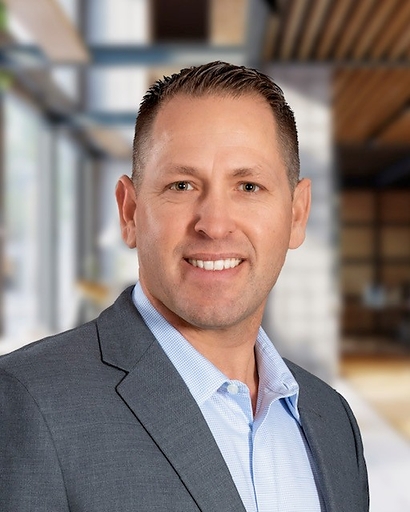
The Hershey Company (NYSE: HSY) is installing Mitchell Arends as Chief Supply Chain Officer effective June 22, 2026, replacing retiring 30-year veteran Jason Reiman in a transition the confectionery giant is calling planned and structured.
Arends arrives with more than 25 years of end-to-end supply chain leadership inside consumer-packaged goods. Most recently he served as Executive Vice President, Principal Operating Officer, and Chief Integrated Supply Chain Officer at UTZ Brands, where he held full operational accountability across a $1.5 billion business that included manufacturing, R&D, transformation, and direct store delivery (DSD) operations — a channel mix that maps closely to Hershey's own foodservice and convenience-retail distribution footprint. Before UTZ, Arends was Chief Supply Chain Officer of North America at Kraft Heinz, overseeing a $22 billion supply chain spanning manufacturing, logistics, planning, and procurement across one of the largest food platforms in the country.
The appointment lands at a consequential moment for ingredient and snack suppliers serving the commercial foodservice channel. Cocoa commodity volatility has pressured confectionery manufacturers throughout 2025 and into 2026, squeezing input costs and forcing procurement teams to reassess sourcing agreements and hedging strategies. Operators relying on Hershey-branded inclusions — from dessert LTOs at casual-dining chains to bakery programs at fast-casual daypart extenders — have felt downstream effects in the form of tighter allocation windows and periodic price adjustments. A supply chain leader with deep logistics and procurement credentials is a deliberate signal that Hershey intends to stabilize throughput and protect service levels for its trade partners.
Reiman will remain with Hershey through April 2027 to manage the handoff, an unusually long overlap that underscores the complexity of Hershey's manufacturing and distribution network. The company operates multiple domestic production facilities and services convenience, grocery, and foodservice accounts through both direct and distributor-managed channels. Continuity through a full transition cycle limits disruption risk for area development and distribution partners who depend on consistent fill rates.
For foodservice operators, the near-term read is stability: Arends's DSD fluency at UTZ and his scale experience at Kraft Heinz suggest Hershey is prioritizing execution and on-shelf reliability over structural reinvention. Buyers and menu development teams at chain accounts will be watching whether the new leadership accelerates co-manufacturing capacity or revisits logistics partnerships as cocoa costs remain elevated heading into the back half of 2026. Coverage of broader ingredient supply pressures affecting chain menus and CPG-to-foodservice channel dynamics will continue on Foodservice News as the transition progresses.
Food & Beverage Magazine parent network reporting contributed background to this dispatch.
Written by Michael Politz, Author of Guide to Restaurant Success: The Proven Process for Starting Any Restaurant Business From Scratch to Success (ISBN: 978-1-119-66896-1), Founder of Food & Beverage Magazine, the leading online magazine and resource in the industry. Designer of the Bluetooth logo and recognized in Entrepreneur Magazine's "Top 40 Under 40" for founding American Wholesale Floral, Politz is also the Co-founder of the Proof Awards and the CPG Awards and a partner in numerous consumer brands across the food and beverage sector.