For restaurants and chefs seeking distinctive wine selections that stand apart from traditional high-altitude Argentine Malbecs, Puerta del Abra offers a compelling alternative. This emerging Balcarce-based producer delivers cool-climate wines with Atlantic influence—including Pinot Noir, Albariño, Chardonnay, and Riesling—that bring freshness, acidity, and aging potential to wine lists seeking differentiation without sacrificing approachability or margin.
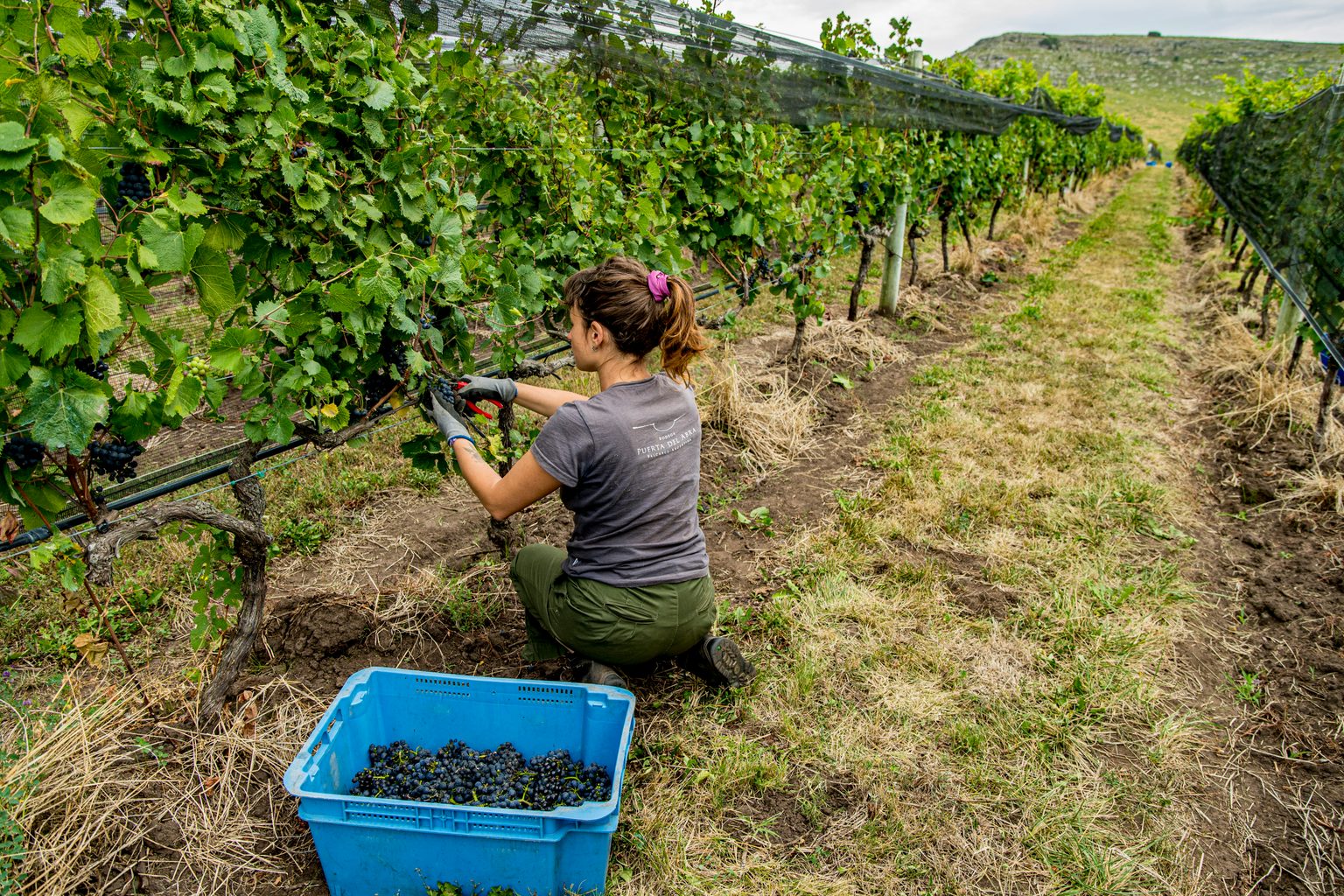
Balcarce, a coastal region in Buenos Aires province, became Argentina's fourth official Geographical Indication in 2022. Located roughly 30 to 50 kilometers from the South Atlantic and framed by the Tandilia mountain system, it offers radically different conditions from Argentina's traditional Andean vineyards. The estate itself, Bodega Puerta del Abra, was founded in 2013 by businessman Jorge Perez Companc and his family specifically to prove that serious viticulture could thrive in this underexplored terroir. Production remains intentionally modest at 40,000 to 50,000 bottles annually, making allocation to high-end restaurants in Buenos Aires a priority—and US availability through California-based distribution a genuine opportunity for forward-thinking operators.
What the Terroir Delivers: A Menu Planning Advantage
The Balcarce terroir fundamentally reshapes how wines perform on a restaurant wine list. At just over 100 meters elevation with abundant rainfall and constant Atlantic breezes, the site produces wines with pronounced acidity, lower alcohol, and mineral tension that pair naturally with modern cooking techniques and lighter proteins. The region's Winkler II temperatures slow ripening, preserving freshness—a direct operational advantage for chefs seeking wines that complement rather than overpower refined technique.
Puerta del Abra's varietal selection reflects this climate strategy. The lineup—Albariño, Riesling, Chardonnay (aged under the traditional Velo de Flor technique), Pinot Noir, Cabernet Franc, Bonarda, Tannat, and Merlot—was planted specifically to match cool-climate conditions. The Albariño combines ripe fruit with quiet mineral backbone; the Riesling builds aromatic complexity without sacrificing acidity; the Pinot Noir steps beyond Argentina's traditional sparkling-base role to show elegant structure and real aging potential. On the red side, Cabernet Franc delivers pronounced pyrazine notes as a 100 percent varietal, Bonarda offers red fruit and gentle spice over a chalk-etched backdrop, and Tannat provides darker fruit with firm but polished tannins and subtle savory notes.
The Itzae line reinforces menu flexibility. Each year, micro-vinifications identify the most compelling expressions of the vintage, which are then assembled into red and white blends. This approach means the wines reflect full vintage diversity—a characteristic that rewards operators willing to engage guests in seasonal narrative and vintage storytelling.
Operational Considerations: Sustainability, Labor, and Production Scale
From an operator's perspective, several factors strengthen the business case. In 2023, Puerta del Abra obtained vegan certification, formalizing its avoidance of animal-derived fining agents—an alignment with contemporary restaurant values and guest preferences. The team has moved to lighter bottles, implemented Good Agricultural and Manufacturing Practices, and participates in Balcarce's Green Fridays program. These commitments, while not flashy, signal a producer genuinely aligned with modern hospitality's sustainability expectations.
Production discipline also matters. At 40,000 to 50,000 bottles annually, Puerta del Abra maintains scarcity and consistency—critical for restaurants seeking exclusive positioning. The team's female-led winemaking (Mariana Boero as head winemaker, with Deborah as assistant) and investment in local labor training reflect a values-driven operation. For operators building brand narratives around producer partnerships, these details carry genuine weight.
The estate has already secured recognition from Decanter, James Suckling, and Global Masters competitions, providing third-party validation that helps justify premium list positioning and wine-pairing storytelling to guests.
Market Access and Supply Strategy
US distribution flows through a California-based import arm, with Spain and France already established and additional European markets in development. This positioning—already present in top restaurants in Buenos Aires, with European traction—positions Puerta del Abra as an emerging collection for operators seeking wines with genuine story and differentiation before broader market saturation occurs.
As the estate's own positioning states: "We started this winery as a passion project of the family, something to be shared with those closest to us. As the project evolved, it opened new opportunities, but never losing focus of the foundational spirit. Today, we seek to find those in the industry that share that intimate passion for wine, willing to push boundaries and explore something new."
For restaurant wine directors and chefs, Balcarce represents proof that Argentina's wine future extends beyond traditional Andean strongholds. For menu planning, Puerta del Abra delivers a portfolio built on acidity, freshness, and food compatibility—precisely the characteristics that command guest attention and support premium positioning on contemporary restaurant wine lists.