Your kitchen is slammed. Your staff is stretched thin. You're managing dine-in orders, online delivery, curbside pickup, and loyalty customers all at once. Your legacy POS system can barely keep up, your inventory doesn't sync with your sales, and your reporting is a nightmare. You're losing money to inefficiency and you know it.
This is the reality facing restaurant operators, chefs, and menu decision-makers across Canada right now. Rising labor costs, shrinking margins, unpredictable consumer behavior, and fragmented technology are compressing profitability from every angle. The operators gaining ground aren't necessarily the largest—they're the ones who've streamlined operations to maximize throughput and minimize waste.
Square has become the backbone for that operational efficiency across Canada's hospitality sector.
One System. Every Part of Your Business.
Rather than cobbling together separate software for payments, inventory, payroll, reporting, and online ordering, Square integrates all of it into a single ecosystem where everything talks to everything else. This isn't luxury—it's operational survival.
Think about what this means in practice. Your kitchen staff can see online orders come through the same system as dine-in tickets. Your inventory automatically updates when you ring a sale or modify a recipe. Your labor reports pull real data on who's working when and at what cost. Your menu analytics show you exactly which dishes drive profit and which ones are dead weight. A Toronto café managing dine-in and mobile pickup, or a Vancouver restaurant group splitting traffic between in-house dining, third-party delivery, and retail products—they all operate with complete visibility instead of making decisions blind.
In hospitality, that operational clarity directly impacts your bottom line. No more guessing. No more inefficient workarounds. No more time wasted reconciling disconnected systems at end of shift.
Enterprise-Level Tools at Independent Operator Prices
Five years ago, sophisticated restaurant technology meant high-end POS systems with massive upfront costs, complex implementations, and IT support you couldn't afford. That locked out most independent operators. Square flipped that equation entirely.
By building systems designed first for intuitive usability—not IT complexity—Square democratized access to technology that historically only big chains could afford. Independent cafés in Montréal, specialty coffee shops in Calgary, and fast-growing restaurant groups in Toronto now run on systems with real-time reporting, staffing insights, menu performance analytics, and inventory tracking. You don't need a tech background to pull a sales report or understand which menu items are driving profit.
That simplicity matters enormously when you're fighting labor turnover. Onboarding new staff is already painful. Systems that feel familiar and work intuitively reduce training overhead and operational mistakes. In an industry where staff turnover is constant and margins are thin, that directly impacts your ability to maintain service quality and control costs.
Your Customers Expect Omnichannel. Here's How You Actually Deliver It.
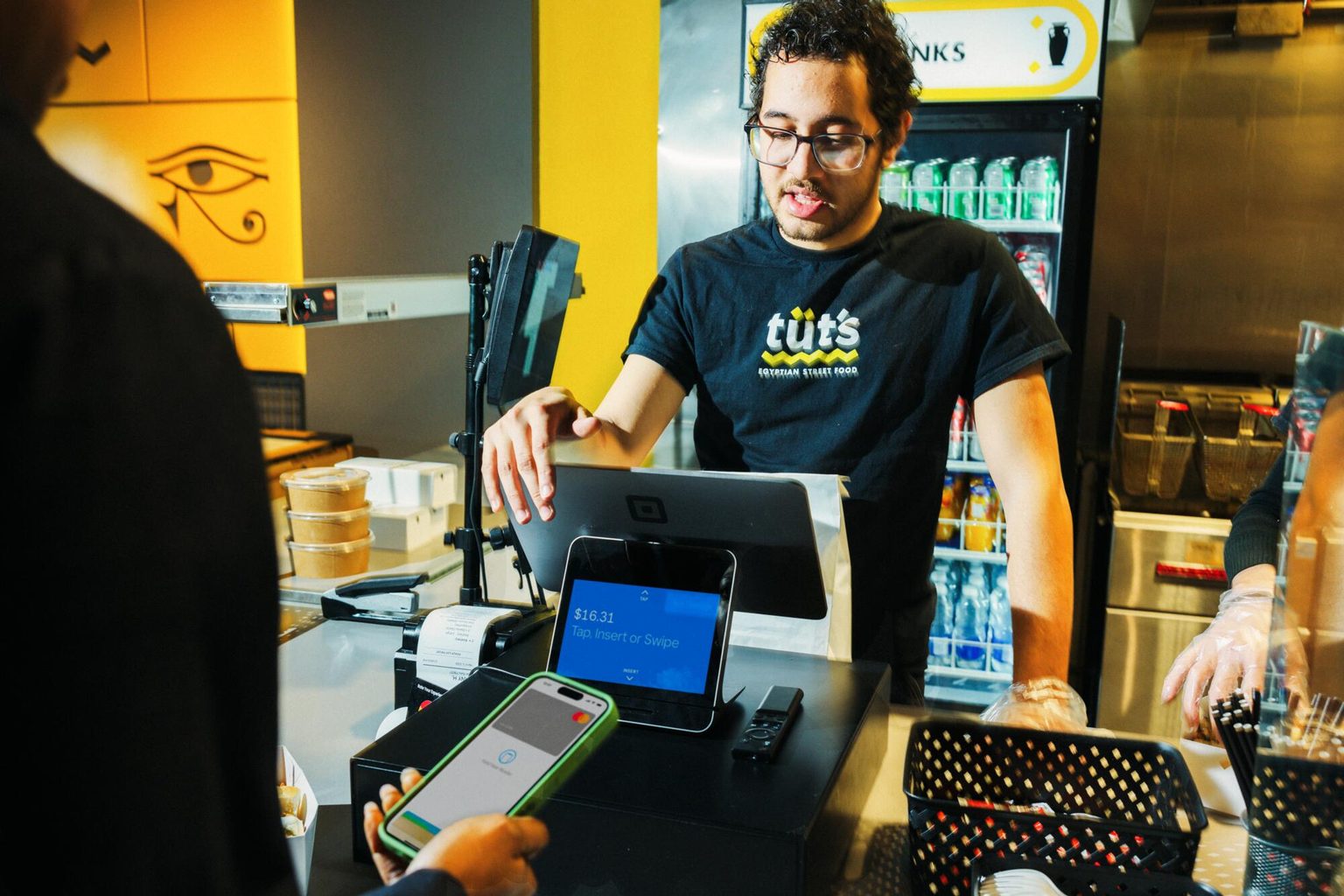
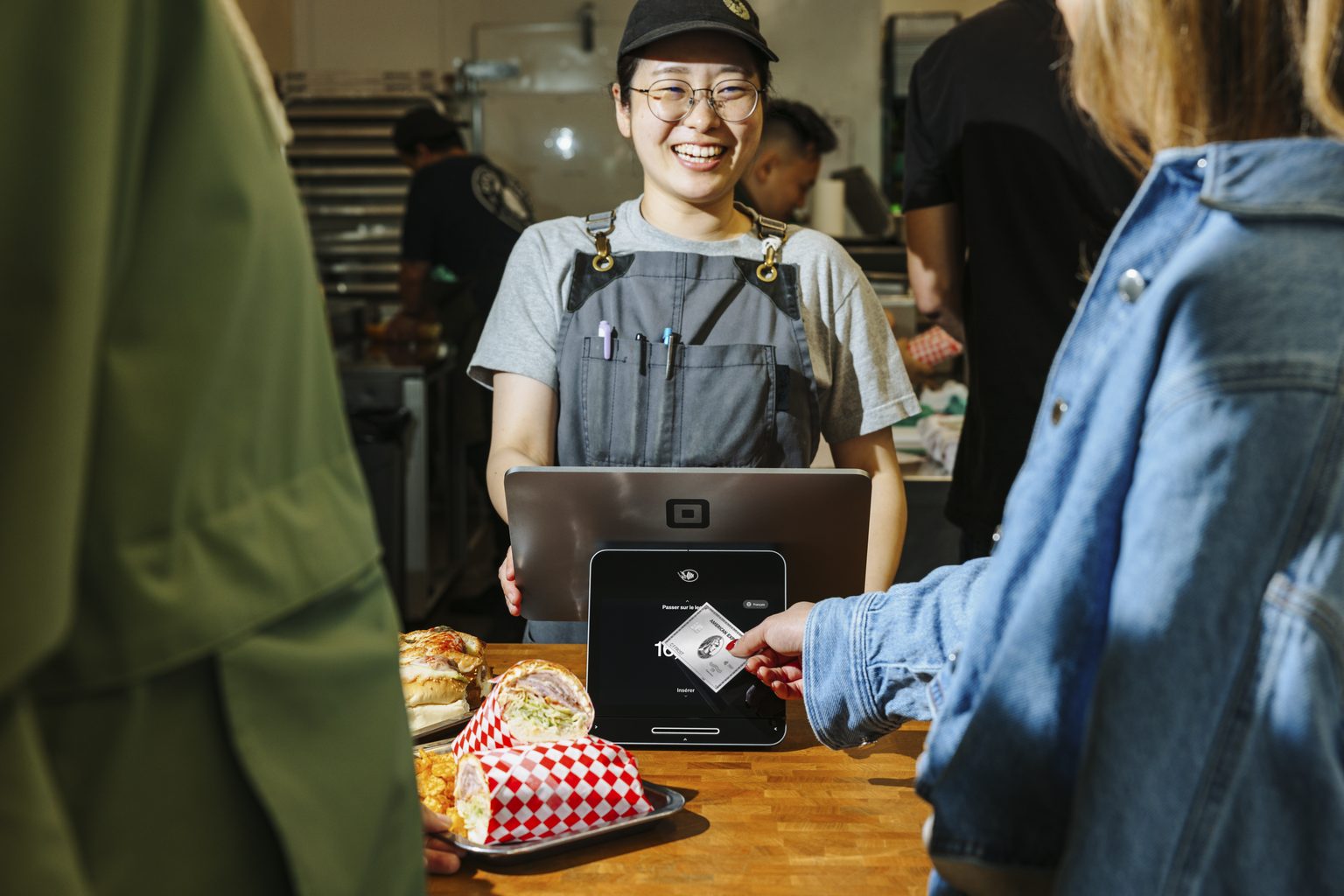
Your guests don't care about your system architecture. They expect to order online, pick up curbside, pay contactlessly, and get personalized service—whether they're coming in for dine-in or using delivery. Meeting that expectation used to require piecing together multiple platforms. Square's ecosystem lets you create consistent brand experiences across every touchpoint while maintaining centralized visibility into who your customers are, what they buy, and how to serve them better.
More importantly, Square now integrates predictive business intelligence into operations. As artificial intelligence becomes embedded in hospitality technology, the gap between reactive management and proactive strategy is widening. Data insights tied to sales patterns, customer behavior, staffing, and local trends let you make decisions in real time instead of discovering problems after they've cost you money. When margins are razor-thin, that's a competitive advantage that compounds.
Built for How Restaurants Actually Work
Square's power comes partly from the fact that it was designed by people who understand hospitality operations, not generic retail assumptions. The features reflect what you actually need: tipping workflows that match your service model, kitchen displays that pace orders intelligently, menu modification handling that prevents kitchen errors, and integrated online ordering that doesn't fragment your operation. That operator-first mentality builds trust because hospitality operators know the difference between software that was designed for restaurants and software that was adapted for them.
In hospitality, technology failures aren't inconveniences. They interrupt service, tank revenue, and damage guest experience simultaneously. Stability and usability aren't nice-to-have features—they're operational requirements. Square's emphasis on both is why it's become foundational infrastructure rather than another vendor.
Scale Without Losing Control
If you're a chef or operator with growth ambitions, this matters: Square allows you to expand without multiplying complexity. Historically, growth meant compromise. More locations meant fragmented systems, operational inconsistency, and diluted customer experience. Square's unified model lets you scale while maintaining consistency and visibility—you can grow your footprint without losing the ability to manage your business holistically.
As you navigate Canada's increasingly dynamic market—regional diversity, evolving labor regulations, rising costs, and digital-native customer expectations—your technology partner needs to evolve alongside you. Square's continuous evolution around features that actually impact profitability, kitchen efficiency, and menu performance has positioned it as infrastructure that grows with your ambitions rather than constraining them.
Your success depends on balancing sophisticated operations with authentic hospitality. You need infrastructure that supports both, reduces friction, and lets you focus on what matters: food, service, and building a business that works financially. Square has established itself as that operational backbone for forward-thinking operators across Canada.