For foodservice operators managing high-end resort properties, the business case is becoming clear: investing in Michelin-level culinary programs directly impacts occupancy, repeat bookings, and per-guest spending. Velas Resorts has built its competitive advantage on this principle. Cocina de Autor in Los Cabos earned Michelin recognition by positioning fine dining not as a resort amenity, but as a destination dining program capable of competing at the highest levels of contemporary gastronomy. That strategy has redefined expectations for luxury resort dining in Mexico—and offers operators a proven template for menu strategy and kitchen positioning.
The recent tasting dinner at Grand Velas Riviera Nayarit, executed by the Michelin-starred culinary team from Cocina de Autor Los Cabos at the property's Piaf restaurant, illustrates how this approach translates across multiple locations and markets. Rather than relying on chef celebrity or one-off events, the program demonstrates a systematic kitchen philosophy centered on ingredient storytelling, technical precision, and cultural relevance. For operators evaluating menu concepts and kitchen investments, the execution offers actionable insights into building guest experiences that command premium pricing and generate word-of-mouth momentum.
Building Guest Loyalty Through Ingredient-Driven Menu Architecture
The menu's opening courses established the operational framework that drives operator ROI: restraint and intentionality. Escamoles—a historically significant Mexican ingredient—were paired with avocado, habanero, cilantro, and corn masa in a composition that honored cultural significance while projecting modern refinement. The accompanying cocktail, built around tequila reposado, St-Germain, Damiana, citrus, and tonic, reflected the same balance operators can replicate across beverage and food programming. This approach reduces ingredient waste, simplifies kitchen workflow, and commands premium margins because each component serves a clear narrative purpose.
Consider the operational discipline evident in a subsequent course: Royal Osetra caviar alongside blue abalone, cauliflower, kaffir lime, and crème fraîche. Rather than showcasing luxury ingredients for spectacle alone, the kitchen emphasized texture, balance, and nuance—meaning every component required specific technique and timing. This menu architecture creates natural separation from competitors and justifies higher price points while reducing the pressure on kitchen teams to execute excessive technique in every course.
Mexican Identity as a Competitive Differentiator and Operational Asset
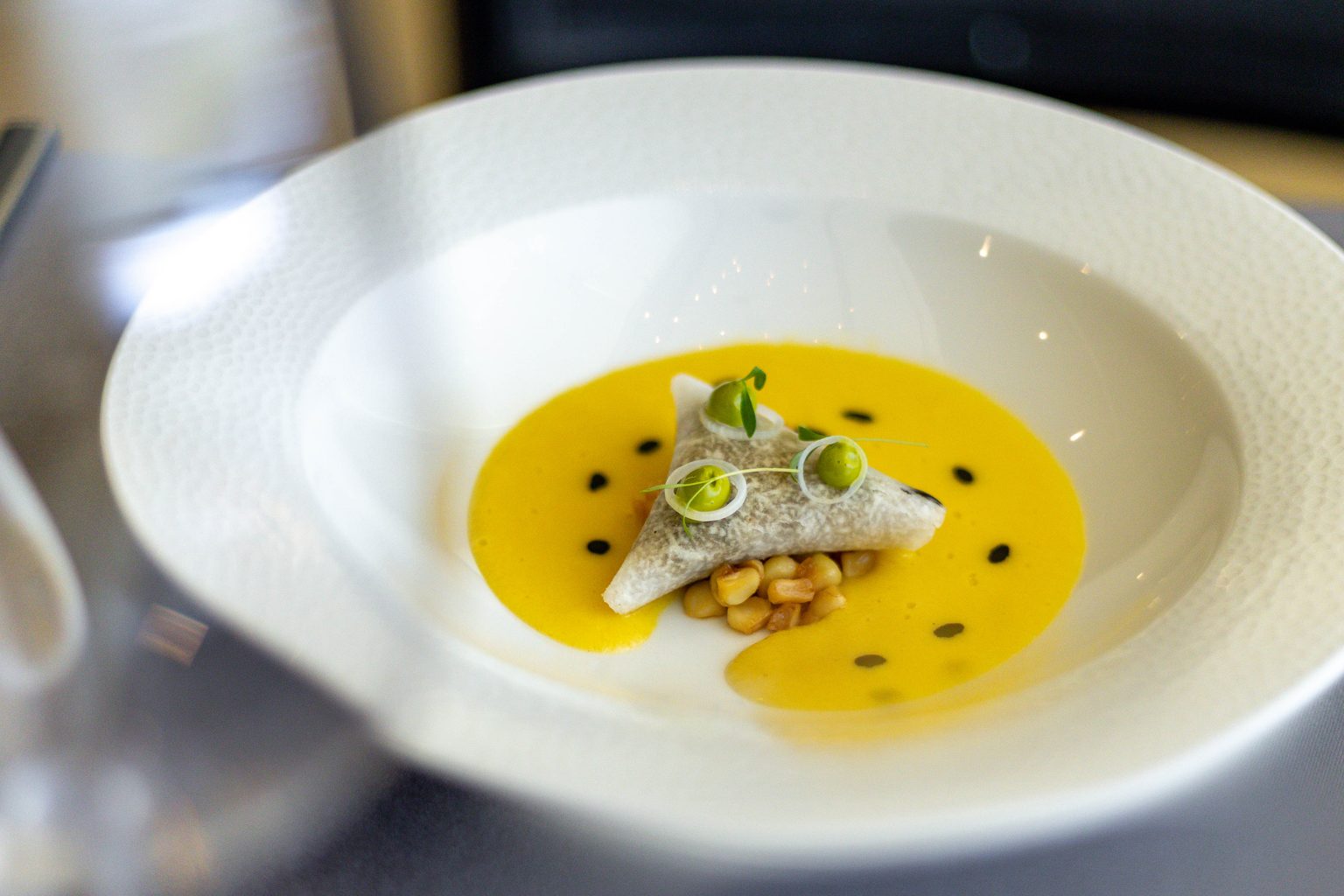
The strongest operational value emerged when the kitchen focused on ingredients deeply rooted in Mexican culinary identity—a model operators can immediately apply. Bluefin tuna paired with hoja santa, manzano chile, cured radish, and nixtamal demonstrated how traditional flavors approached through contemporary technique create both authenticity and premium positioning. The yellow corn velouté with shiitake mushroom, pecan, and jicama transformed one of Mexico's foundational ingredients into a sophisticated course while maintaining accessibility for diverse guest palates. For operators sourcing locally or regionally, this philosophy simplifies procurement, shortens supply chains, and strengthens the narrative value of menu offerings.
The progression through wagyu tartare, Casa Madero wine pairings, and a carefully executed triple-seared Angus tenderloin demonstrates how to structure a full tasting menu that maintains kitchen pacing and guest satisfaction without over-complicating station management. Each course required distinct technique but operated within established kitchen protocols, allowing skilled teams to execute at scale without requiring chef-owner oversight at every pass.
For foodservice operators managing multiple properties or considering culinary reinvestment, the Velas Resorts model offers a critical lesson: positioning fine dining as a core business driver—not a supporting amenity—changes how you approach menu development, kitchen layout, and staff training. Cocina de Autor's Michelin recognition and multi-property expansion capability prove that culinary excellence can be systematized and replicated while maintaining quality standards. In a market where differentiation drives guest selection and repeat business, this framework transforms kitchen operations from cost centers into revenue engines.