For restaurant operators and menu decision-makers, the challenge is clear: how do you build a compelling culinary identity while managing food costs, sourcing consistency, and kitchen efficiency? Il Borro Relais et Châteaux offers a practical answer rooted in direct agricultural ownership and chef-led menu design that operates as a genuine competitive advantage rather than a marketing claim.
Under the direction of Salvatore Ferragamo Jr., the Tuscan estate demonstrates how a fully integrated farm-to-table model—spanning 1,200 hectares including vegetable gardens, olive groves, vineyards, and cheese production—directly translates into menu flexibility, ingredient quality, and operational control that independent restaurants and hospitality groups can adapt to their own scale.
The Operational Logic: Seasonal Menus as a Kitchen Asset
Andrea Campani, who leads the culinary program at Il Borro, describes a fundamentally different approach to menu development. Rather than planning dishes first and sourcing ingredients second, the kitchen works backward from what the estate produces each season.
"We don't start from what we want to put on the menu," Campani explains, "but from what nature offers us at that specific moment."
That operational philosophy has direct kitchen implications. Seasonal sourcing reduces ingredient waste, simplifies inventory management, and allows chefs to build deeper expertise around fewer, premium ingredients. For operators, it also means stronger margins on produce and proteins sourced directly from known suppliers rather than through middlemen.
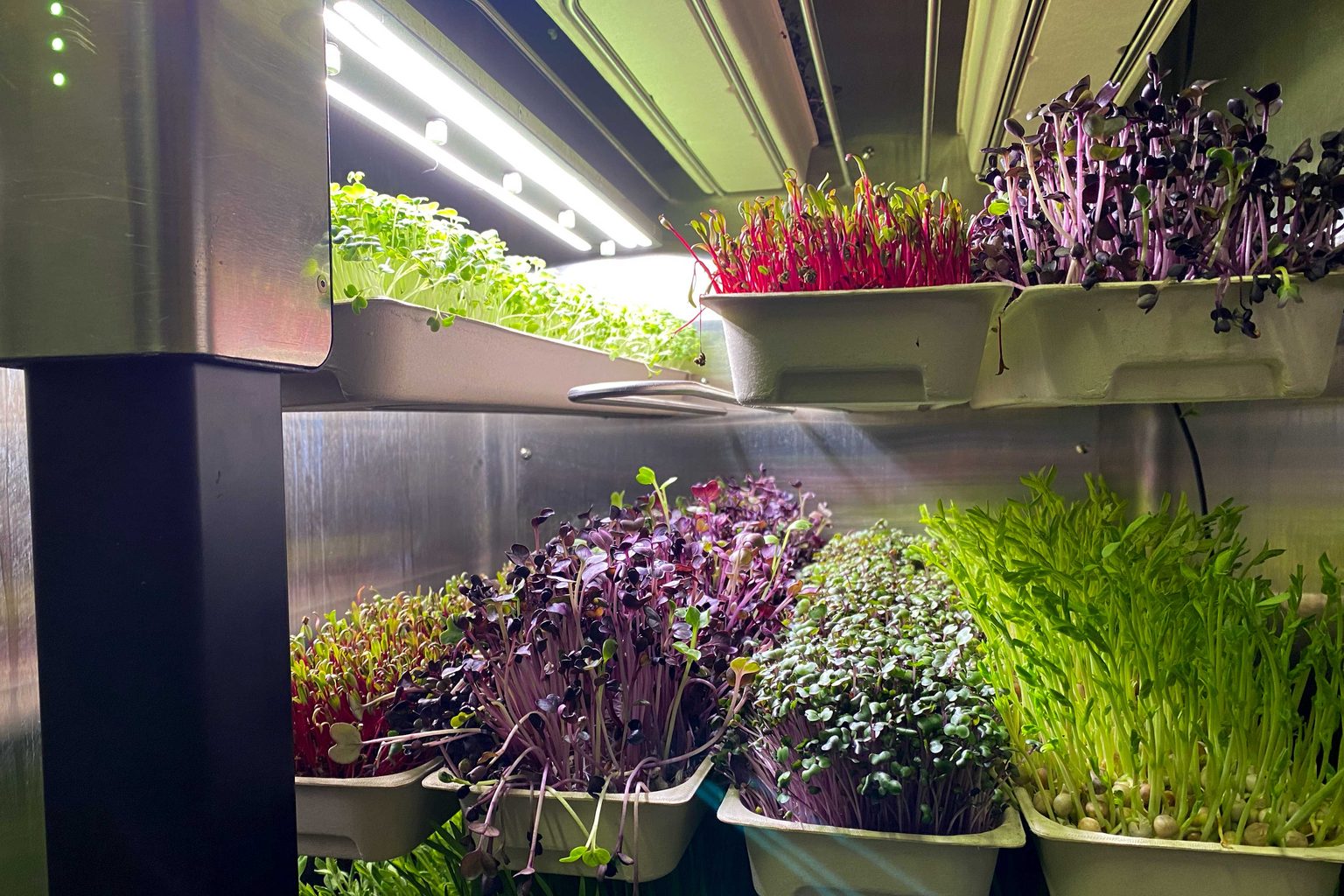
This season, Osteria del Borro has implemented this strategy through two new tasting menus: "Omaggio al Borro" and "Armonie Vegetali," designed to complement the à la carte offering. Chef de Cuisine Andrea Godi has built both menus around produce from the estate and a curated network of local producers whose work reflects the same respect for quality, territory, and sustainability. The starting point remains consistent—what the garden and nearby agricultural partners deliver—which allows the kitchen team to execute with precision while maintaining seasonal authenticity.
Premium Experiences Drive Menu ROI
Beyond the printed menu, Il Borro has introduced an exclusive Chef's Garden experience limited to just two tables per evening. The intimate, immersive experience is set directly within the vegetable garden that informs daily kitchen decisions, and features a dedicated tasting menu and table setting that bring guests into the chef's sourcing reality.
For operators, this represents a high-margin revenue model: limited-seat experiences with premium pricing that require minimal additional infrastructure but create differentiated guest narratives. The experience justifies higher price points because it delivers transparency and exclusivity simultaneously—guests see exactly where their food comes from while feeling privileged to access something rare.
That same principle applies to the core dining program. By leading with seasonality, local sourcing, and direct producer relationships, the culinary team reinforces a stronger sense of place that commands premium positioning without relying on standardized luxury cues. Younger diners, in particular, increasingly value traceability, sustainability, and ethical sourcing alongside culinary quality—making transparency itself a menu asset rather than a compliance requirement.
Wine Portfolio Strategy: Depth Over Volume
Il Borro's wine program follows an identical operational philosophy, with direct implications for beverage margins and menu positioning.
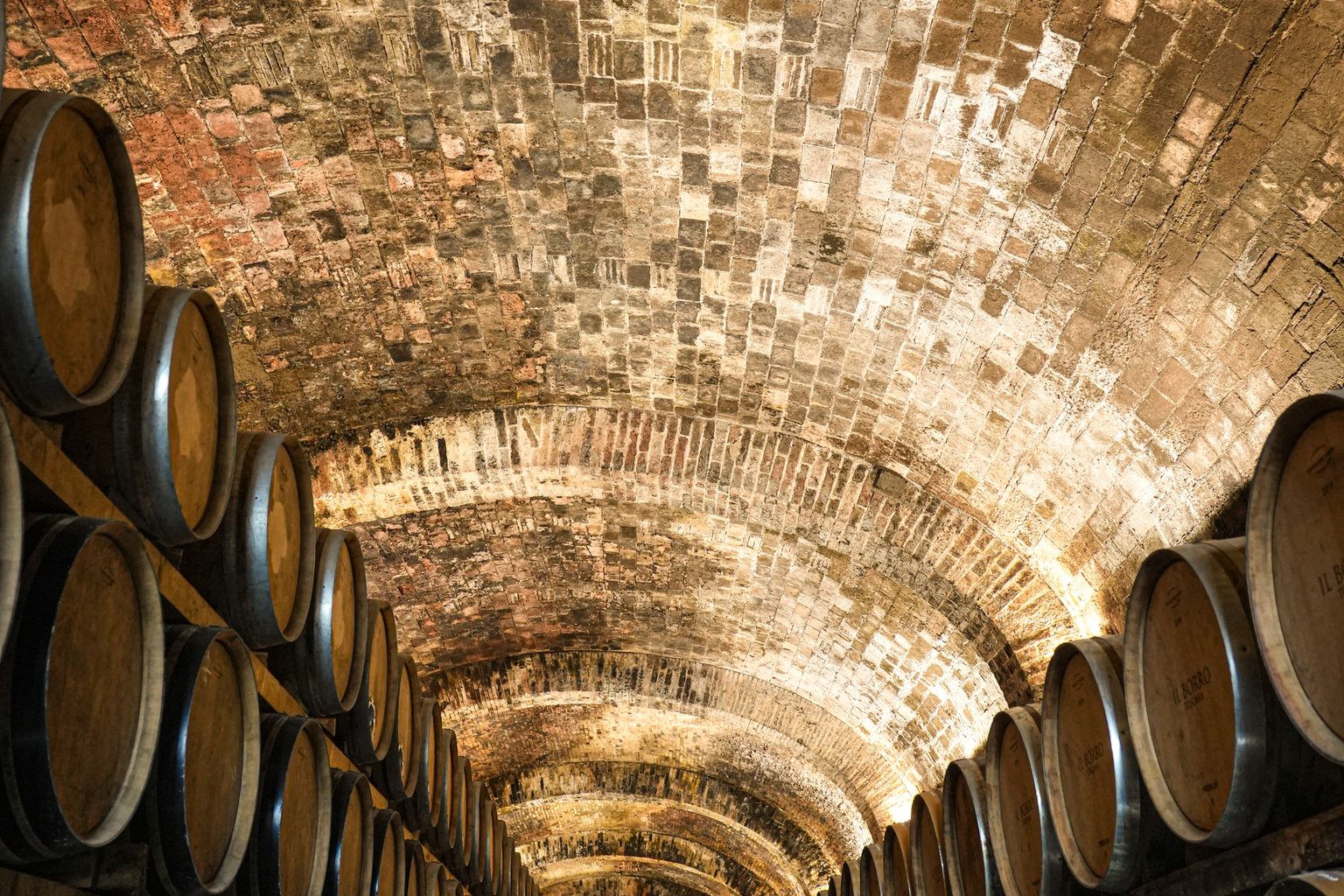
While many luxury properties pursue expansion through volume or broad diversification, Il Borro's strategy centers on deepening identity and strengthening regional authenticity. Wines like Petruna, the estate's amphora-aged Sangiovese, reflect purposeful differentiation—the use of amphora aging connects the wine to historic Tuscan traditions while delivering a contemporary expression increasingly appreciated by sommeliers seeking originality. The expansion into Brunello di Montalcino through the historic Pinino property represents a similar long-term investment in building distinctive portfolio depth rather than chasing market trends.
"Each project has to bring something unique," Salvatore Ferragamo says. "Not just more wines, but a clearer, stronger identity built over time."
For operators, this translates to a wine program that tells a coherent story—one that allows staff to educate guests about intentionality and craft rather than simply selling volume. Wines with clear provenance, regional connection, and distinctive production methods justify higher price points and reduce discounting pressure.
Sustainability as Operational Efficiency, Not Marketing
A critical distinction runs through Il Borro's entire operation: sustainability is measured, reported, and managed as an operational efficiency rather than packaged as a marketing message.
The estate has steadily expanded renewable energy infrastructure over the last decade, growing from eight photovoltaic systems in 2013 to eighteen today. In 2024 alone, Il Borro produced 2.4 GWh of renewable energy while avoiding hundreds of tonnes of CO₂ emissions. The company has also begun comprehensive Scope 3 emissions assessments to better understand the full environmental impact of its operations and supply chain.
Ferragamo emphasizes restraint on sustainability claims: "Sustainability, to be credible, must be measurable. We will not say it until the numbers support it. That is the difference between those who tell the story and those who build it."
For operators, this approach offers operational lessons. Investments in renewable energy, water conservation, and waste reduction may generate genuine cost savings and operational resilience—benefits that matter to the bottom line independent of marketing value. Measuring and tracking these metrics also creates defensible competitive positioning when guests ask about sustainability, rather than relying on unverified claims.
Building Authentic Identity as a Competitive Moat
The broader strategic lesson applies directly to any operator or culinary leader: authenticity—rooted in real operations, measurable commitments, and genuine place-based identity—creates a competitive advantage far more durable than trend chasing or manufactured heritage.
"In a world where almost anything can be accessed instantly, true luxury lies in simple and genuine things," Salvatore Ferragamo Jr. says. "For us, it's about preserving the integrity and authenticity of what Il Borro stands for. The priority is not to adapt to trends, but to remain consistent with our identity."
That consistency is visible throughout every aspect of operations—from regenerative vineyard management spanning more than 500 hectares of protected woodland that naturally absorbs carbon and supports biodiversity, to chef-led menu development that begins with what the garden delivers, to wine portfolio strategy that deepens identity rather than expanding volume.
For restaurant operators, the model demonstrates that premium positioning and operational efficiency need not conflict. Seasonal menus reduce waste and complexity. Direct agricultural sourcing improves margins and ingredient quality. Limited-seat premium experiences drive revenue per cover without proportional cost increases. A focused wine program justifies higher margins than diversified lists. And authentic sustainability practices can generate real operational savings while strengthening brand narrative.