Professional kitchen cutlery has traditionally meant a binary choice: invest heavily in handcrafted Japanese blades and legacy European brands, or accept mass-market tools that sacrifice performance for cost. For foodservice operators managing tight margins and chefs responsible for kitchen outfitting decisions, that compromise has become frustratingly familiar. But a new generation of manufacturers is reshaping that equation—and PAUDIN is leading the charge with professional-inspired design and materials at price points that actually work for operating budgets.
Real Kitchen Performance at Operator-Friendly Prices
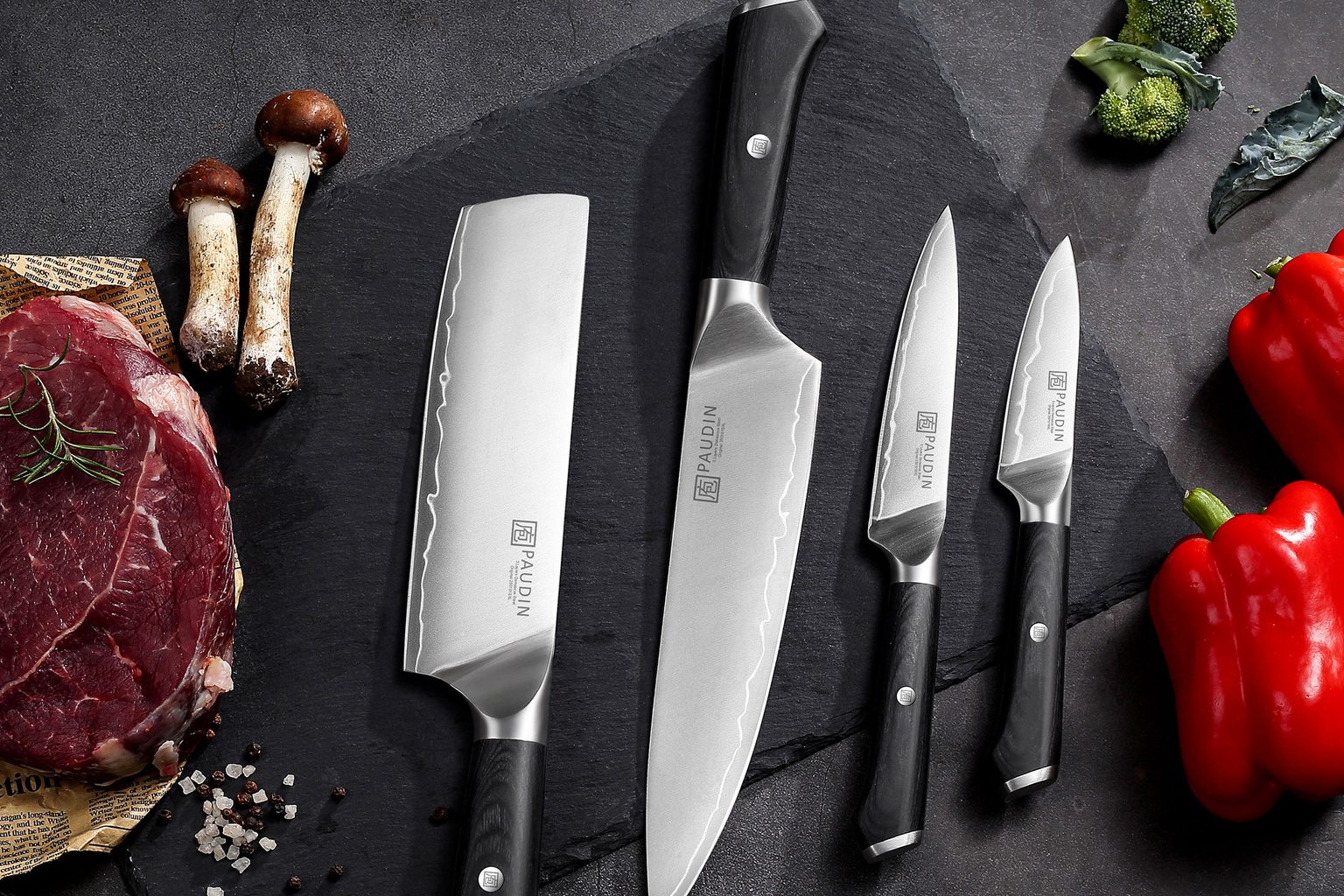
Founded in 2017, PAUDIN entered the cutlery market with a direct-to-consumer manufacturing model that bypasses traditional retail margins entirely. That operational approach allows the company to deliver what professional kitchens actually need: high-carbon German or Japanese steel, ergonomic handles, and proven blade profiles at costs that won't hemorrhage your equipment budget. Today, PAUDIN's catalog spans chef's knives, santoku blades, full knife blocks, carving sets, and specialty collections built to perform in both home and professional kitchen environments.
What matters to you as an operator is the practical middle ground PAUDIN occupies. The brand combines materials and design elements traditionally associated with significantly more expensive products—Damascus-inspired finishes, pakkawood handles, contemporary blade profiles—without the premium price tags attached to heritage brands. For menu decision-makers and kitchen managers, this translates directly to: sharpness that holds, balance that reduces hand fatigue during service, comfort across extended shifts, and durability that justifies the per-unit spend.
Menu Application and Kitchen Relevance in a Modernized Cutlery Market
The cutlery category itself has transformed. Once dominated by a handful of established manufacturers, the market now includes diverse global brands leveraging modern manufacturing techniques and digital-first distribution to compete on craftsmanship, storytelling, customer experience, and accessibility. For operators, this fragmentation matters: you now have viable options beyond the legacy brands that previously commanded both premium pricing and market gatekeeping.
PAUDIN's success reflects a larger movement within professional and semi-professional kitchens. Chefs and operators are becoming more discerning about tool selection, but equally value-conscious. Rather than defaulting to the most expensive option available, serious decision-makers now evaluate products based on functionality, user experience, and practical performance in service conditions. This has created legitimate opportunities for brands capable of delivering professional-style features at approachable price points—exactly PAUDIN's positioning.
The brand's visual appeal—clean lines, polished finishes, premium-inspired packaging—also matters operationally. When knives telegraph quality and care, they influence kitchen culture, staff confidence, and the credibility signaled to your team about your commitment to equipment investment. That intangible ROI compounds across a service year.
ROI and Competitive Positioning
Serious knife specialists will scrutinize steel composition, heat treatment, edge retention, blade geometry, and manufacturing consistency. Comparisons to long-established German and Japanese manufacturers remain inevitable. However, PAUDIN's competitive objective appears less focused on displacing ultra-premium artisans and more centered on serving the vast middle market of operators who require reliable, attractive, and capable tools for high-volume everyday use.
That positioning is your advantage. The majority of operators need tools that perform consistently, feel comfortable across extended service, and retain edge through the dishwashing cycle and multiple shifts. Meeting those expectations at scale—while preserving knife budget allocation for other operational priorities—is where newer cutlery brands earn their place in professional kitchens.
As the culinary landscape continues to evolve, with growing consumer interest in technical execution and visible kitchen quality, brands like PAUDIN are redefining what professional-grade equipment can cost. The conversation is no longer solely about prestige or heritage legacy. Increasingly, for operators managing real budgets and real kitchens, it is about accessibility, durability, and delivering measurable value to your team and your bottom line.