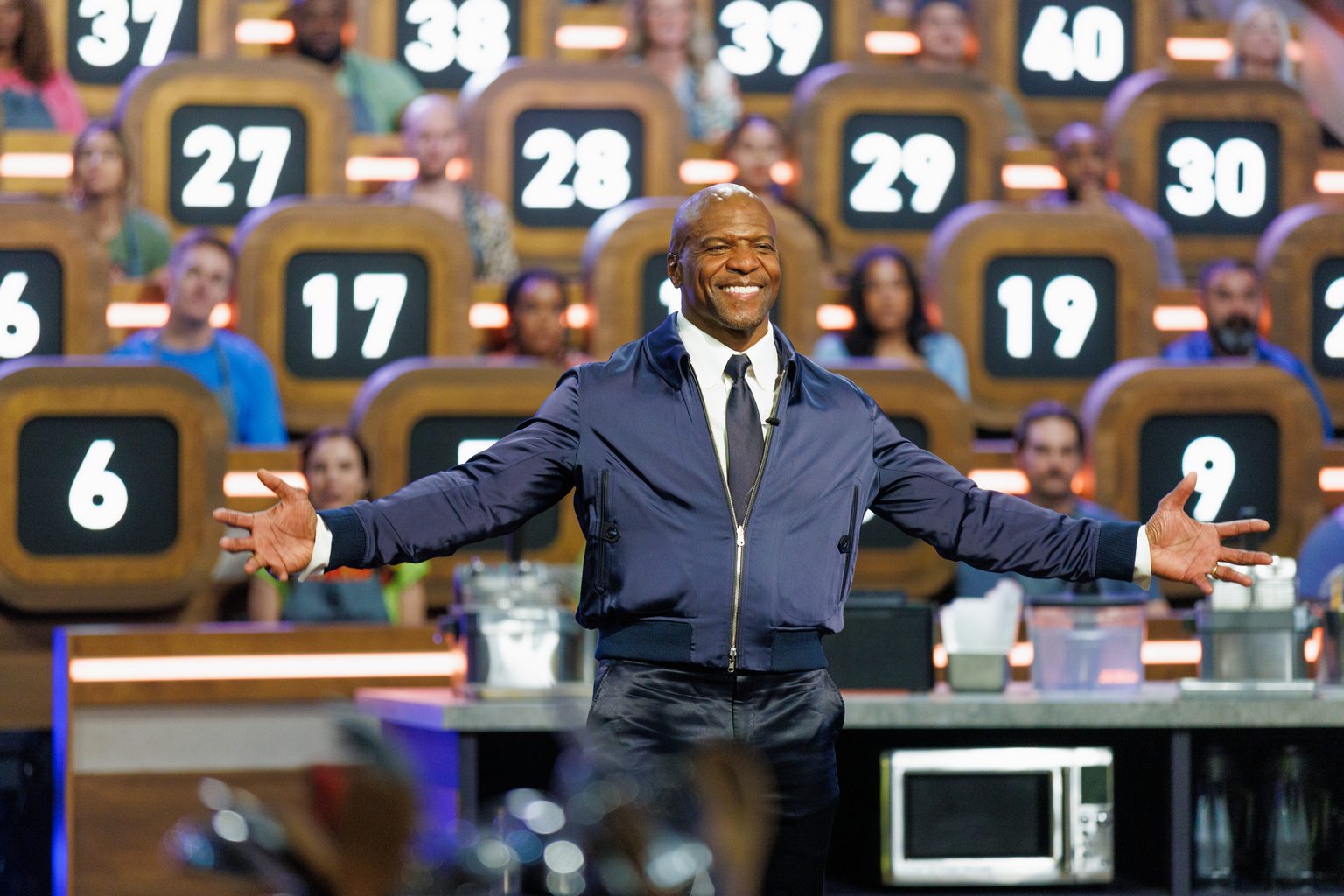
Food Network's new competition series 100 Cooks, premiering June 7, offers foodservice operators and menu decision-makers a master class in what drives culinary success at the operator level. The show features 100 home cooks—teachers, firefighters, lawyers, college students, and parents—competing in high-pressure challenges that reveal the specific skill sets restaurants depend on most: adaptability, resourcefulness, and the ability to create memorable dishes under constraints.
For kitchen leaders and menu strategists, the relevance is immediate. Host Terry Crews identified a fundamental truth that applies directly to professional foodservice operations: "Being a home cook is different from being a chef. Chefs often tell you what's good, whereas home cooks find out what you love. They are all about pleasing their guests and have a heart focused on feeding and nourishing people." That customer-first mentality—prioritizing guest satisfaction over ego or technique—is core to building loyalty and driving repeat business in competitive markets.
Menu Innovation Through Constraint-Based Thinking
One of 100 Cooks' most operationally relevant challenges tasked contestants with reimagining the rotisserie chicken, a grocery staple found across America. What appeared simple became an exercise in creative problem-solving and product innovation—exactly what today's operators need to maximize margins and differentiate on crowded menus. "A great home cook takes whatever is in the refrigerator and makes a masterpiece," Crews noted. "They are able to work with whatever they're given and use their creativity to craft delicious meals."
For foodservice leaders, this concept directly translates to menu engineering. The ability to leverage existing inventory in new ways, adapt to supply chain disruptions, and turn commodity ingredients into signature dishes separates high-performing operations from struggling ones. The show's challenges—food trivia, timed cooking battles, and unexpected twists—mirror the daily realities operators face: limited prep time, changing ingredient availability, and the pressure to deliver consistent quality.
Judges Iron Chef Alex Guarnaschelli and culinary YouTube creator Nick DiGiovanni bring distinct perspectives to evaluations. Nick comes from a very technical background, whereas Alex comes from a much more emotional place. Together, they model the balanced approach successful operations employ: balancing technical execution with the customer experience that generates word-of-mouth and repeat visits.
What Judges' Feedback Reveals About Kitchen Performance
According to Crews, the judges delivered more than entertainment value—they provided real, actionable feedback with educational depth. "The audience will learn things that change the way people cook. Just because something has been passed down for generations doesn't make it right. The best entertainment is when you gain some educational insight without even trying." That philosophy applies equally to kitchen training and menu development.
Operators who adopt a continuous-improvement mindset—questioning traditional approaches, testing new applications of familiar ingredients, and remaining open to innovation—build menus that stay relevant and maintain customer interest. 100 Cooks demonstrates that the most successful cooks possess emotional intelligence alongside technical skill. Crews noted getting invested in contestants' performances: "Every time someone had to go home, my heart broke. These are some of the sweetest, most beautiful people. And this is their dream." That empathy translates in hospitality: staff who care about guest satisfaction deliver better service, higher check averages, and stronger retention metrics.
Operationalizing the Home Cook Advantage
100 Cooks celebrates everyday food culture—family recipes, neighborhood potlucks, weeknight dinners, and home experimentation—the very source of the culinary trends that drive consumer traffic. Crews explained the broader appeal: "Food is a universal language. It's one of the main ways we show people we love and care about them. Just like music, it has the power to take you back to a moment in time." Successful operators leverage this insight by building menus around comfort, nostalgia, and genuine hospitality rather than purely technical demonstration.
For menu decision-makers, the message is clear: the most operationally relevant cooking skills aren't always those taught in culinary school. The ability to read a guest's preferences, work resourcefully with what's available, make decisions under pressure, and maintain passion through repetitive service—these are the attributes that drive profitability and guest loyalty. 100 Cooks proves these qualities flourish in everyday cooks, suggesting that operator success depends less on formal culinary credentials than on hiring for adaptability, empathy, and genuine love of feeding people.
With the competition emphasizing real-world problem-solving over theatrical technique, the show offers operators a proven model: prioritize guest satisfaction, embrace constraint-based innovation, invest in staff who care, and build menus around authentic flavor and connection rather than trend-chasing alone.